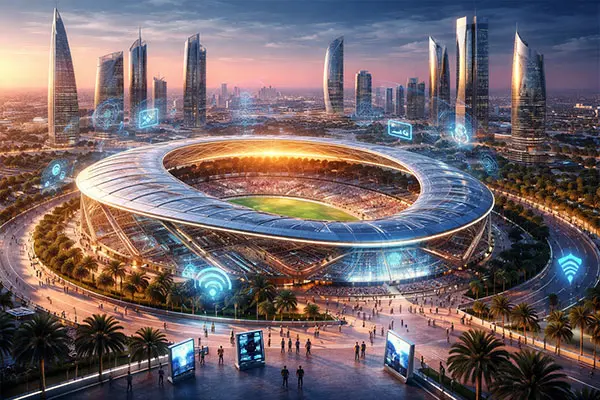
Vision 2030 drives intelligent sports infrastructure in Saudi Arabia, aligning stadium modernization, digital transformation, and smart venue ecosystems with economic diversification, global competitiveness, and large-scale event hosting across the Kingdom.
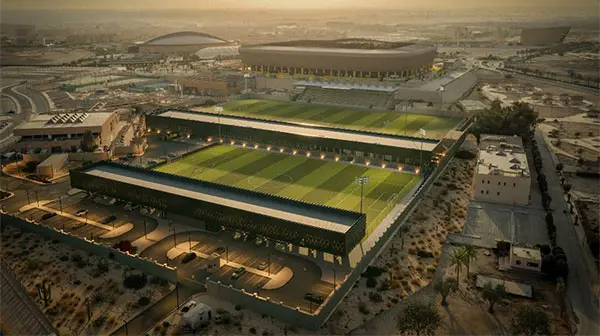
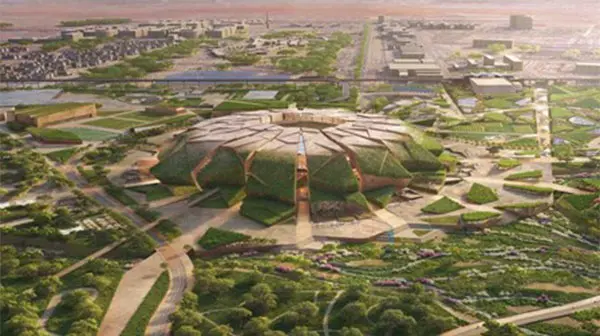
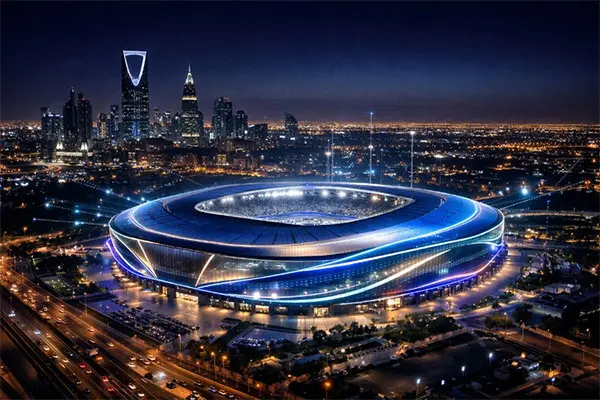
King Salman Stadium reflects Riyadh's urban evolution, integrating smart stadium infrastructure, connectivity, multi-use design, and digital intelligence within a cohesive city ecosystem, strengthening operational efficiency, economic value, and globally competitive sports infrastructure development.
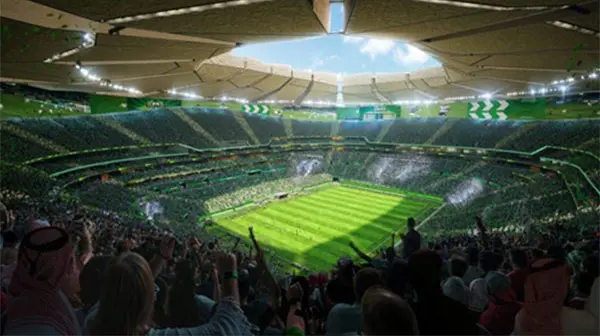
Riyadh's King Salman Stadium project marks a milestone in Saudi Arabia's digital stadium development, integrating smart infrastructure, connected systems, sustainable design, and intelligent venue technology to support globally competitive, next-generation sports infrastructure modernization.
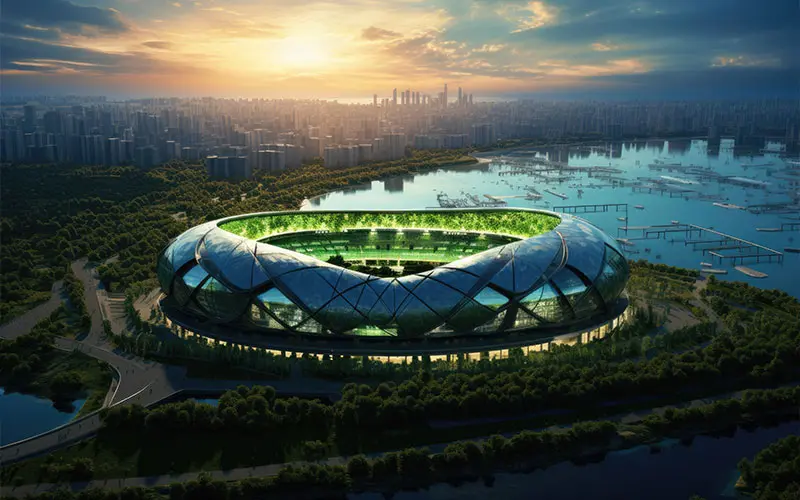
Sustainable smart stadium infrastructure in Saudi Arabia integrates energy-efficient systems, AI-powered building automation, IoT-enabled monitoring, and green stadium technology, positioning digital venues for environmental performance, carbon optimization, and globally competitive sports infrastructure modernization.
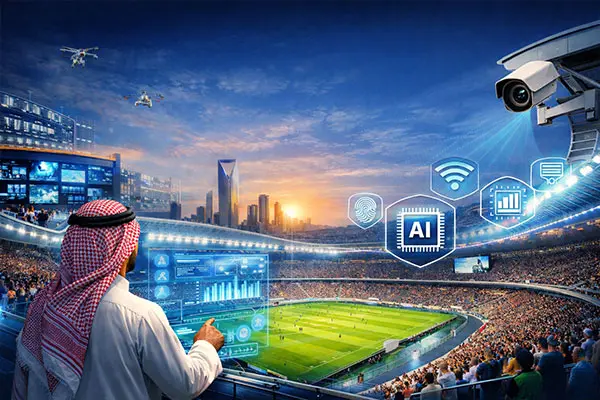
Advanced cybersecurity, AI-powered command centers, and integrated control systems are redefining safety, operational intelligence, and resilience in Saudi Arabia's next-generation stadiums, ensuring secure, digitally connected venues that support international sporting events and seamless fan experiences.
AI-driven fan analytics, CRM integration, and smart stadium ecosystems are transforming venue monetization in Saudi Arabia by enabling data-led pricing, personalized engagement, operational efficiency, and sustainable revenue growth across digitally connected sports infrastructure environments.
Riyadh's FIFA World Cup 2034 preparations highlight next-generation stadium development, smart stadium technology, and digital transformation. As infrastructure modernization accelerates, Digital Stadium Saudi 2026 provides a platform to explore intelligent, globally competitive sports venue ecosystems.
Saudi Arabia's sports sector advances under Vision 2030, emphasizing smart stadium technology, AI-powered operations, IoT integration, and digital fan experiences. Digital Stadium Saudi 2026 in Riyadh showcases next-generation infrastructure for globally competitive, technology-enabled venues.
Saudi Arabia's Vision 2030 advances sports sector growth, emphasizing smart stadium technology, digital venue transformation, and intelligent infrastructure. Digital Stadium Saudi 2026 provides a platform for global leaders to explore innovations shaping next-generation, connected, competitive stadiums.
Saudi Arabia's 2025 sports milestones highlight accelerating smart stadium adoption and digital venue transformation. Digital Stadium Saudi 2026 in Riyadh will convene global leaders to advance AI-powered operations, connected infrastructure, and next-generation fan experience innovation.
Saudi Arabia's digital transformation is reshaping sports infrastructure through AI, IoT, and smart stadium technologies. As intelligent venues evolve, Digital Stadium Saudi 2026 connects industry leaders to advance fan experience, operational efficiency, and data-driven performance.
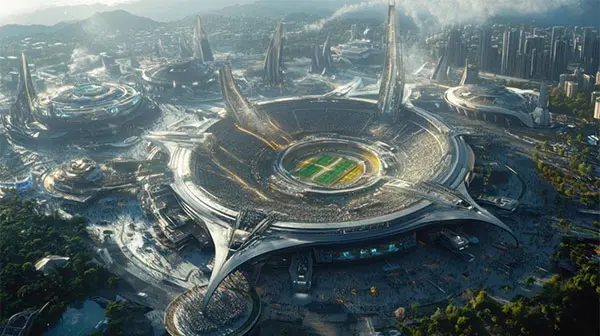
Top stadium design trends for 2025 focus on modular construction, sustainability, and smart technologies, driving faster builds, greener operations, and enhanced fan experiences, especially as Saudi Arabia advances Vision 2030 and prepares next-generation FIFA 2034 venues.
The Middle East sport economy is rapidly growing toward a $75 billion opportunity by 2034, with Vision 2030 stadiums driving participation, smart technology, sustainability, tourism, and mixed-use development, positioning stadiums as key hubs in the region's sports transformation.
In 2025, stadium revenue optimization in Saudi Arabia goes beyond ticket sales, using AI, digital monetization, and sustainable design to boost income through concessions, merchandise, non-event use, and smart technology under Vision 2030 initiatives.
Modular design is transforming stadium construction in Saudi Arabia, enabling faster, cost-efficient, and sustainable builds ahead of FIFA 2034. Using pre-fabricated components, AI integration, and 3D modeling, it cuts timelines by up to 50% while enhancing flexibility, scalability, and fan experience.
Stadium accessibility in 2025 is transforming Saudi Arabia's sports infrastructure under Vision 2030, integrating inclusive design, AI, and sensory technology. As FIFA 2034 approaches, innovations ensure diverse audience engagement and sustainable, universally accessible fan experiences.
E-sports integration transforms traditional stadiums into hybrid venues, blending AR, AI, and sustainable design. With a projected $3.6B market by 2030, Vision 2030 drives Saudi Arabia's multifunctional complexes, enhancing fan experiences and revenue growth.
Emerging stadium technologies in 2025—AI, AR, 5G, and sustainability—transform fan experiences, crowd safety, and operations. From wearable interactivity to renewable-powered venues, these innovations align with Vision 2030 and FIFA 2034, shaping future multifunctional sports complexes.