Introduction
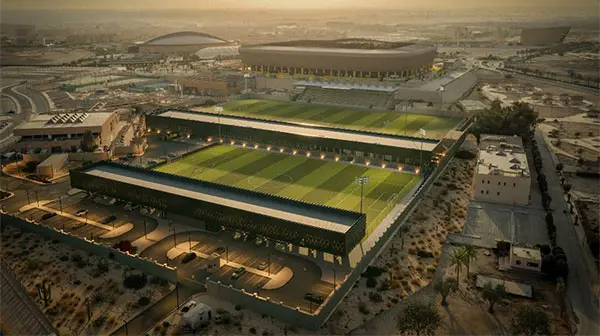
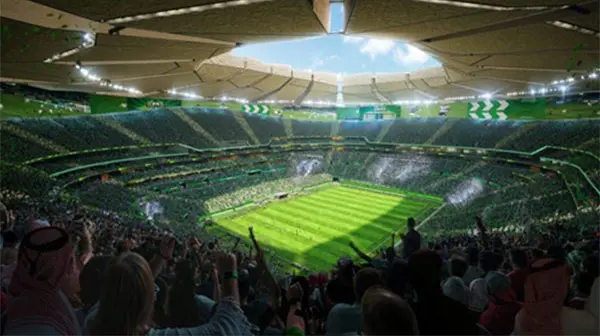
As of November 14, 2025, top stadium design trends 2025 are redefining venues, with modular construction, sustainability, and smart tech at the forefront of stadium design Saudi Arabia under sports infrastructure Vision 2030. As Saudi Arabia prepares for FIFA 2034 stadiums, these trends are transforming multi functional sports complexes KSA into efficient, eco-friendly hubs. The global stadium construction market is projected to grow from $12.5 billion in 2025 to $18.9 billion by 2030 at a 8.6% CAGR, driven by modular and green innovations. This article explores these trends, their implementation, and impact on sustainable stadiums KSA, with insights to be shared at the 2nd Global Stadium Congress.
Modular Construction: Speed and Flexibility
Modular design uses pre-fabricated components for 50% faster builds, reducing costs by 20% and waste by 30%. In stadium design Saudi Arabia, Vision 2030's $6 billion investment favors modularity for FIFA 2034 stadiums, enabling quick reconfiguration for events.
Challenges include transport, but the smart stadium market integrates AI for assembly, supporting multi functional sports complexes KSA. Retractable pitches and modular seating allow sports-to-concert switches in hours.
Sustainability: Green Materials and Energy Efficiency
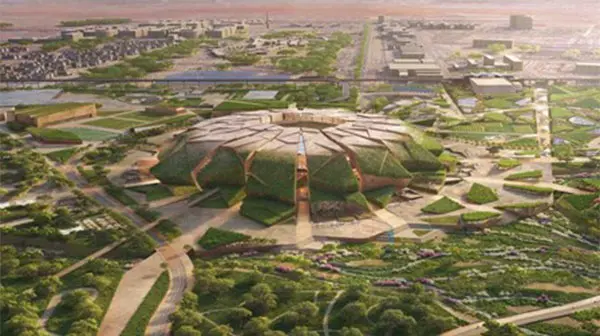
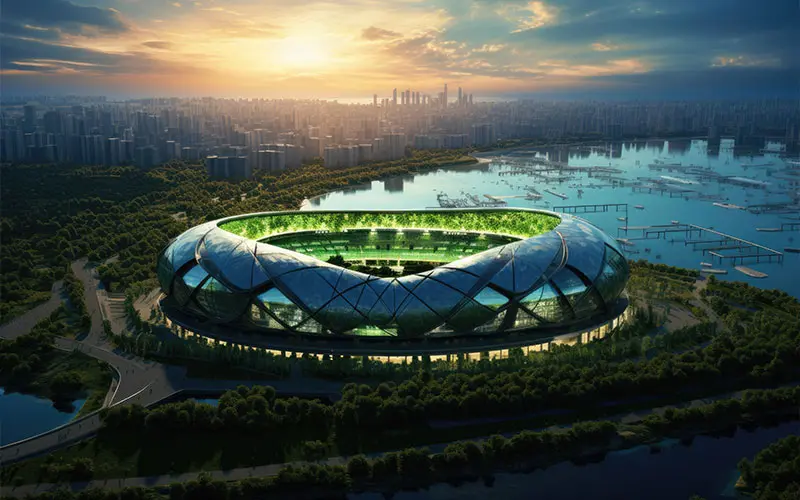
Sustainability trends emphasize eco-materials like recycled steel and low-carbon concrete, cutting emissions by 40%. Sustainable stadiums KSA feature solar panels and green roofs, regulating temperature and saving 30% on energy.
Energy efficient stadium lighting with LEDs and sensors adapts to occupancy, while rainwater harvesting irrigates turf systems sports venues. LEED and BREEAM certifications ensure compliance for FIFA 2034 stadiums.
Smart Tech: AI, AR, and Immersive Experiences
Smart tech trends include AI crowd flow modeling for safety, predicting movements with 95% accuracy. Fan experience technology uses AR for stats overlays and virtual tours, boosting engagement by 35%.
Digital signage stadiums with 5G delivers instant replays, while wayfinding systems arenas with biometrics speeds entry by 50%. Stadium seating innovations with haptic feedback sync with events, aligning with the smart stadium market.
Ready to explore these innovations in action? Click here to learn more and secure your spot at the upcoming conference.