Introduction
Riyadh's FIFA World Cup 2034 Vision Reinforces the Future of Smart Stadium Infrastructure
Riyadh's Role in FIFA World Cup 2034
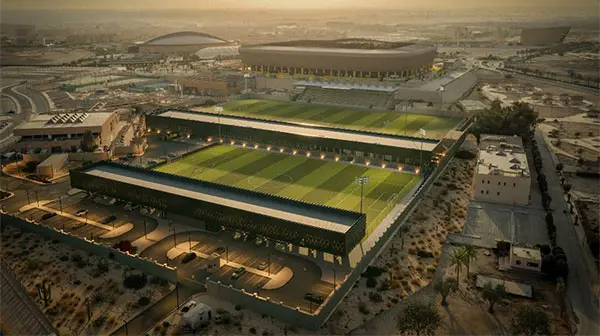
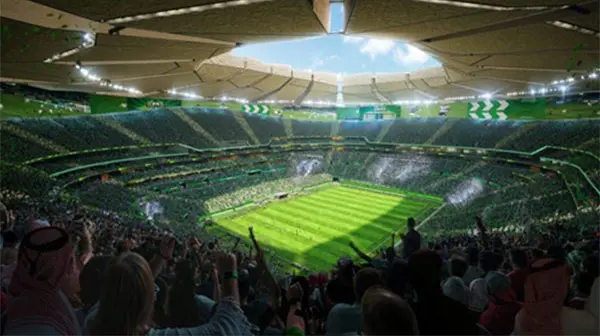
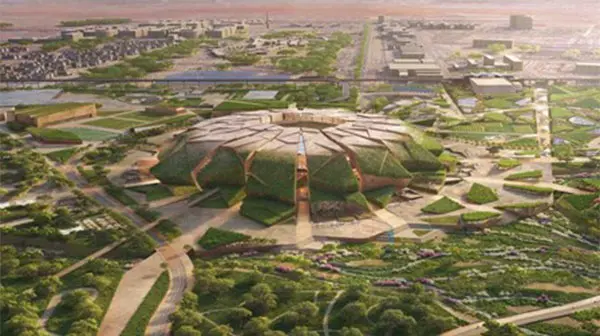
According to the official Saudi 2034 platform, Riyadh is positioned as a central host city for the FIFA World Cup 2034, with multiple stadium developments and infrastructure enhancements planned across the capital.
The official Riyadh city overview outlines the city's readiness strategy, stadium expansion plans, and long-term development objectives designed to support global sporting events.
To review the official Riyadh World Cup 2034 details, visit:
https://saudi2034.com.sa/cities/riyadh/
The scale and scope of these developments reflect Riyadh's growing role as a global sports destination and highlight the importance of advanced venue infrastructure capable of meeting international standards.
Next-Generation Stadium Development and Infrastructure Modernization
Large-scale international tournaments require stadium ecosystems that integrate performance, safety, and digital capability. As host city preparations progress, modern stadium development increasingly incorporates:
- Smart stadium technology for integrated operations
- AI-powered venue management systems
- IoT-enabled monitoring and automation
- Stadium data analytics for crowd and security management
- Digital fan experience platforms supporting immersive engagement
- Advanced connectivity infrastructure for real-time interaction
These elements contribute to the creation of intelligent sports infrastructure designed to enhance operational efficiency and deliver globally competitive venue environments.
Intelligent Stadium Ecosystems for Global Events
International tournaments such as the FIFA World Cup demand more than architectural excellence. They require fully connected stadium environments capable of supporting security coordination, digital ticketing, broadcast integration, sustainability monitoring, and large-scale crowd management.
As Riyadh continues preparing for future global events, stadium digital transformation plays an increasingly important role in shaping long-term venue competitiveness. Connected sports infrastructure, AI-driven analytics, and integrated operational systems help ensure that venues are adaptable, secure, and future-ready.
This evolution aligns with broader global trends in sports venue technology, where intelligent design and digital integration are central to modern stadium performance.