Introduction
Saudi Arabia's sports sector has undergone notable growth under Vision 2030, reflecting the Kingdom's broader ambitions to build a vibrant society and diversify its economy. According to the official Vision 2030 article titled “Saudi Arabia's Sports Evolution,” sports have become an increasingly significant pillar of national development, community engagement, and international presence.
The official publication highlights how the expansion of sporting activities and international event hosting aligns with Vision 2030's objectives of enhancing quality of life and strengthening the Kingdom's global profile. As the sports ecosystem continues to evolve, the role of modern, technology-enabled venues becomes increasingly relevant in supporting large-scale competitions and diverse audience engagement.
To read the full Vision 2030 article, visit:
https://www.vision2030.gov.sa/en/media/articles/saudi-arabia-s-sports-evolution
Sports as a Pillar of Vision 2030
The Vision 2030 framework identifies sports as a key contributor to social vitality and economic opportunity. The official article outlines how the Kingdom has expanded participation across multiple disciplines while hosting internationally recognized competitions. This progression reflects a structured approach to strengthening the sports sector through coordinated development and long-term strategic planning.
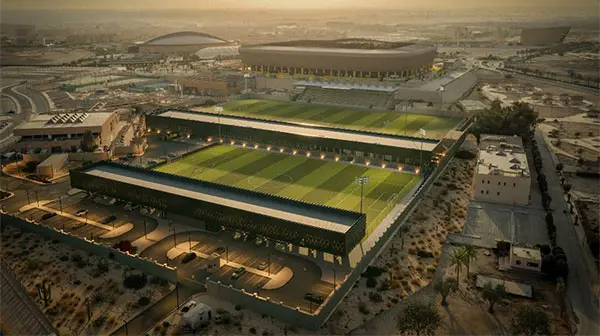
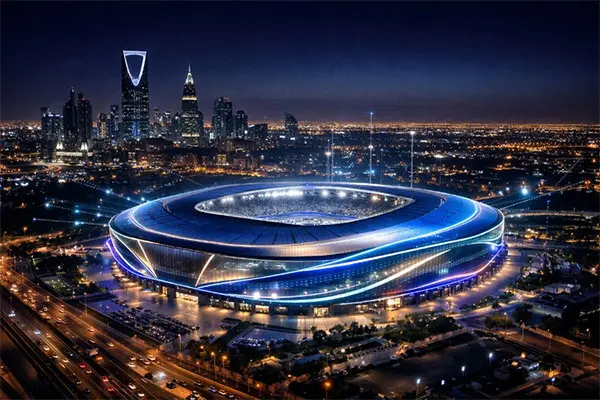
As the scale of events increases and international attention grows, sports infrastructure must adapt to meet evolving operational and experiential expectations. Globally, modern venues are integrating smart stadium technology and connected infrastructure to support efficient management, safety coordination, and enhanced fan interaction. In this context, digital venue transformation is becoming an important component of contemporary sports ecosystems.
While Vision 2030 focuses on sector-wide growth and engagement, the operational demands of major sporting events naturally highlight the relevance of advanced sports venue technology. Intelligent sports infrastructure supports real-time coordination, data-informed decision-making, and scalable operational models capable of accommodating diverse competitions.