Introduction
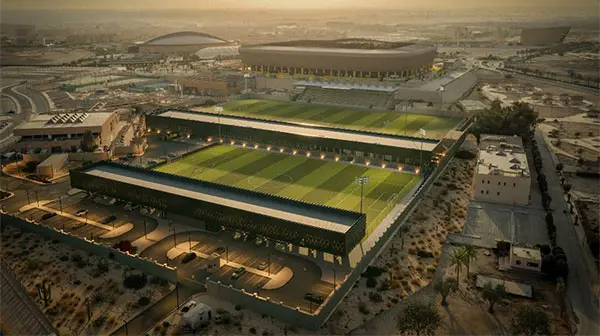
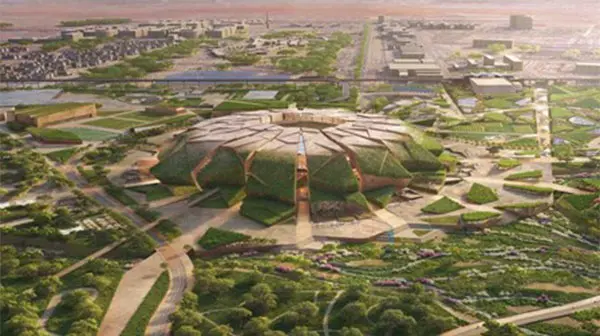
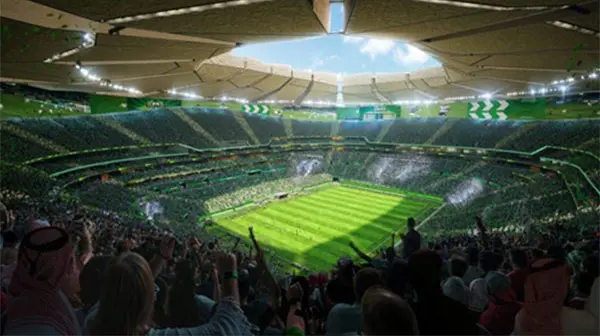
The announcement of King Salman Stadium by the Royal Commission for Riyadh City (RCRC) signals more than the development of a large-scale sports venue. It represents a broader vision for integrating modern stadium infrastructure within Riyadh's evolving urban ecosystem.
According to the official RCRC announcement, the stadium will form part of a comprehensive sports and recreational complex designed to enhance accessibility, connectivity, and long-term functionality within the city's development framework.
Official source:
https://www.rcrc.gov.sa/rcrc-23/
As global cities increasingly position stadiums as multi-dimensional civic assets, projects such as King Salman Stadium highlight how sports infrastructure can function as an integrated component of urban planning and digital transformation.
Stadiums as Smart City Infrastructure
Modern stadium development is closely linked to broader smart city strategies. Large venues generate complex flows of people, transportation demand, digital connectivity needs, and security coordination requirements. Integrating these elements within a cohesive urban framework strengthens operational efficiency and long-term sustainability.
King Salman Stadium's positioning within a larger sports and entertainment destination reflects international best practices in stadium urban integration. Connectivity to transport networks, pedestrian accessibility, and surrounding mixed-use facilities contribute to creating a resilient and adaptable urban sports district.
In digitally enabled cities, smart stadium infrastructure supports real-time traffic coordination, crowd analytics, integrated mobility platforms, and centralized command systems that extend beyond venue boundaries. These capabilities reinforce the concept of the stadium as an intelligent node within the broader urban ecosystem.
Multi-Use Design and Long-Term Economic Value
Globally competitive stadiums are increasingly designed as year-round destinations rather than single-event venues. Integrated sports complexes allow for diversified programming, community engagement, and multi-functional use across cultural, recreational, and international events.
By embedding flexibility into architectural and operational planning, large-scale developments such as King Salman Stadium support sustained economic activity and long-term asset utilization. Intelligent venue ecosystems incorporate digital ticketing systems, connected broadcast infrastructure, and adaptable interior configurations to accommodate varied event formats.
This multi-use approach strengthens commercial viability while enhancing the stadium's role within the city's social and economic landscape.