Introduction
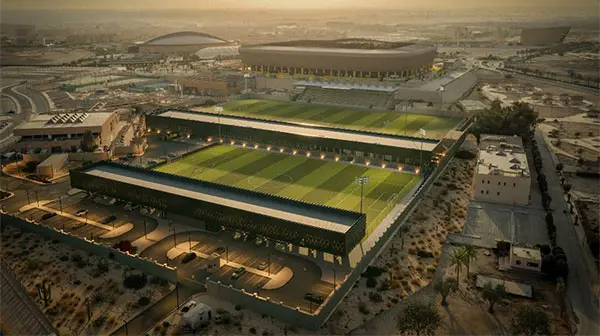
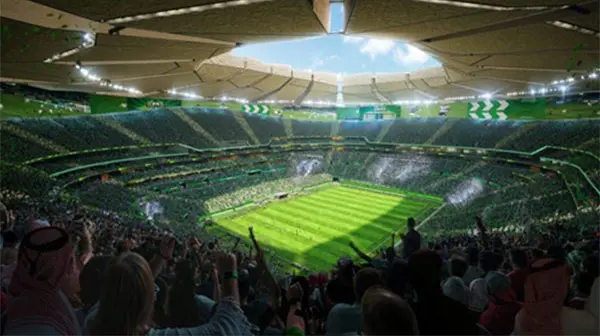
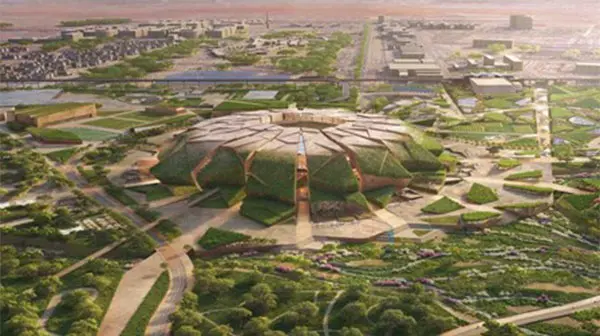
Riyadh's King Salman Stadium project represents a significant milestone in Saudi Arabia's evolving sports infrastructure landscape. Announced by the Royal Commission for Riyadh City (RCRC), the development outlines a comprehensive vision for a modern, multi-purpose sports destination designed to support international competitions and large-scale events.
According to the official RCRC announcement, the stadium and its surrounding sports facilities are planned as an integrated complex, incorporating advanced design elements, accessibility frameworks, and sustainable development considerations.
Official source:
https://www.rcrc.gov.sa/rcrc-23/
As stadium development increasingly integrates digital systems and intelligent infrastructure, projects of this scale highlight the growing importance of smart stadium technology and connected venue ecosystems within Saudi Arabia's broader sports modernization strategy.
Designing for the Digital Era
Modern stadium development is no longer limited to architectural ambition. Digital stadium infrastructure now plays a defining role in shaping how venues operate, manage crowds, and deliver immersive fan experiences.
Projects such as King Salman Stadium reflect global trends in intelligent sports venue design, where digital integration supports operational efficiency and long-term adaptability. Connected infrastructure enables real-time coordination across ticketing systems, security platforms, broadcast capabilities, and stadium command centers.
Advanced connectivity frameworks, AI-supported monitoring systems, and integrated building management technologies form the digital backbone of next-generation stadium ecosystems. As Riyadh positions itself as a host city for major international tournaments, digital readiness becomes central to venue competitiveness.
Integrated Infrastructure and Long-Term Sustainability
The King Salman Stadium development emphasizes not only scale but also integration. Surrounding facilities, transport accessibility, and environmental considerations are designed to create a cohesive sports destination.
Sustainable smart stadium infrastructure increasingly incorporates energy-efficient lighting systems, intelligent cooling technologies, and centralized building automation platforms. These systems support long-term operational efficiency while reinforcing environmental performance objectives.
Globally competitive stadiums require a balance between digital intelligence and physical design. Integrated sports infrastructure ensures that venues remain adaptable to evolving technological standards, broadcast demands, and security requirements.
As Riyadh advances large-scale sports development, intelligent stadium planning strengthens both domestic capability and international positioning.