Introduction
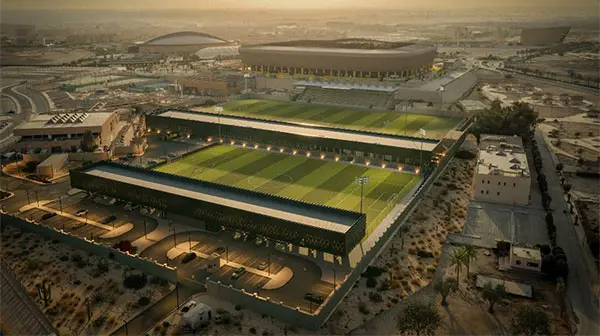
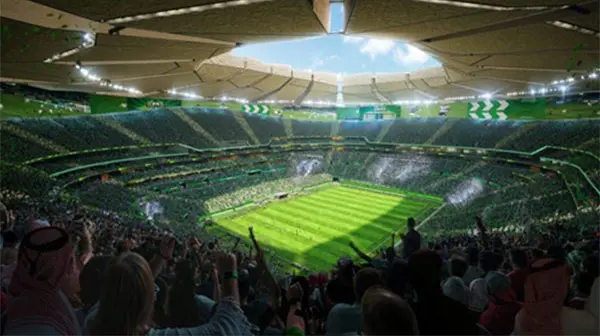
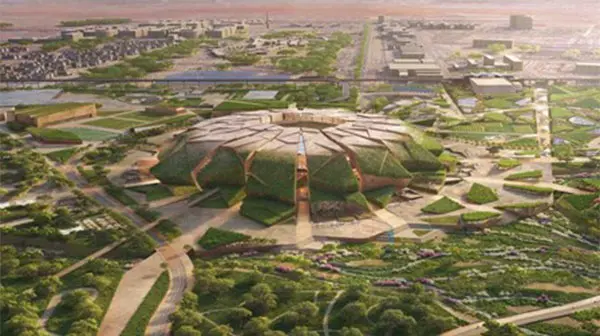
In the expansive domain of stadium design Saudi Arabia, wayfinding systems arenas are revolutionizing accessibility in mega-stadiums, aligning with sports infrastructure Vision 2030 goals. As Saudi Arabia prepares for FIFA 2034 stadiums with capacities exceeding 60,000, advanced navigation technologies enhance fan experience technology, ensuring seamless movement in multi-functional sports complexes KSA. The global smart wayfinding market is projected to grow from $4.3 billion in 2025 to $9.1 billion by 2030 at a 16.2% CAGR, driven by AI and AR integration. This article explores how wayfinding systems improve accessibility, integration with crowd management stadiums, digital signage stadiums, and energy efficient stadium lighting to create inclusive, efficient venues.
The Accessibility Challenges in Mega-Stadiums
Mega-stadiums present navigation hurdles, with fans often spending 15-20 minutes locating seats or exits, exacerbated in sustainable stadiums KSA by complex layouts and harsh weather conditions. Under FIFA 2034 stadiums standards, accessibility for diverse audiences including those with disabilities is mandatory, yet traditional signage struggles with scale and visibility. Crowd management stadiums face risks from congestion, with 2019 data showing 30% of incidents linked to poor navigation.
In stadium design Saudi Arabia, Vision 2030's push for global events demands intuitive systems, where language barriers and high footfall complicate access. The smart stadium market addresses this with wayfinding systems arenas, reducing lost time by 25% and enhancing safety. Energy efficient stadium lighting and turf systems sports venues must support clear pathways, making accessibility a priority for global stadium congress 2025 discussions.
Innovative Wayfinding Technologies for Accessibility
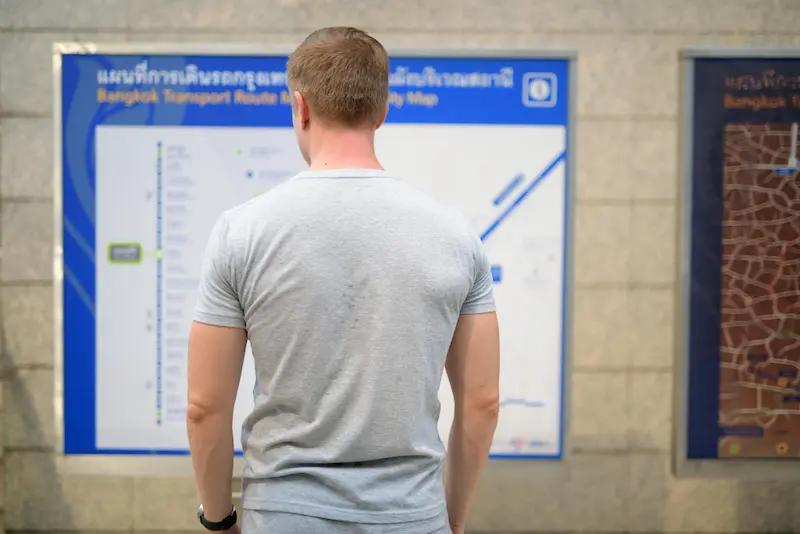
Wayfinding systems arenas leverage AI crowd flow modeling to predict and guide traffic, using real-time data to direct fans via mobile apps with AR overlays, cutting navigation errors by 40%. In stadium design Saudi Arabia, QR codes on digital signage stadiums provide multilingual directions, enhancing fan experience technology for international visitors.
Interactive kiosks with touchscreens offer wheelchair-accessible routes, a focus for FIFA 2034 stadiums, while beacon technology tracks locations with 5-meter accuracy. Energy efficient stadium lighting ensures visibility in low-light areas, supporting crowd management stadiums during evacuations. Stadium seating innovations include priority seating maps, integrated with wayfinding systems to assist those with mobility needs. These innovations, central to the smart stadium market, foster inclusivity.
Ready to explore these innovations in action? Click here to learn more and secure your spot at the upcoming conference.