Introduction
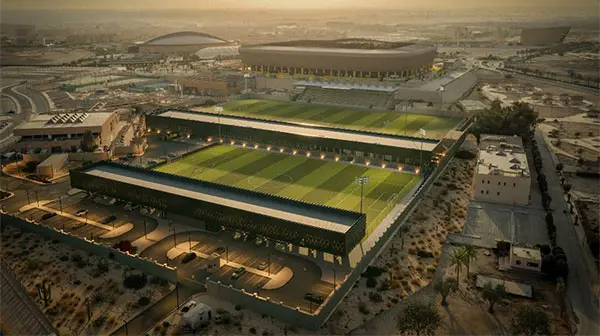
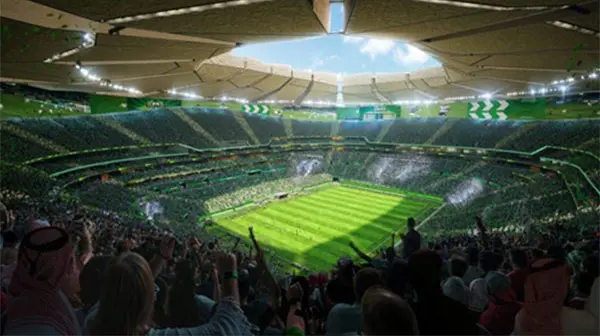
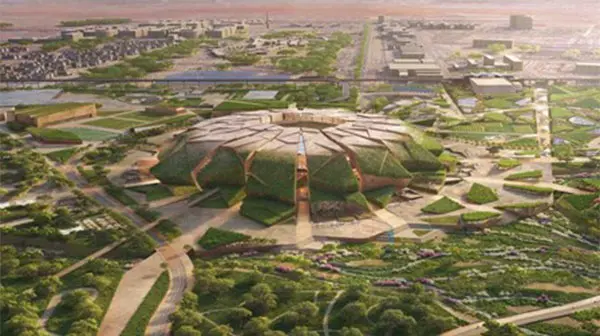
As sports infrastructure Vision 2030 transforms stadium design Saudi Arabia, lighting innovations are redefining energy-efficient solutions for dynamic arenas, aligning with sustainable stadiums KSA goals. With Saudi Arabia preparing for FIFA 2034 stadiums, advanced lighting systems enhance fan experience technology while reducing environmental impact, crucial for high-capacity venues in the smart stadium market. The global LED stadium lighting market was valued at $1.63 billion in 2023 and is projected to reach $3.89 billion by 2031 at an 11.5% CAGR, driven by smart technology adoption. This article explores cutting-edge lighting innovations, including energy-efficient stadium lighting, their integration with digital signage stadiums, and their role in crowd management stadiums, ensuring vibrant yet eco-conscious arenas.
Modern stadiums demand versatile lighting for events ranging from day games to concerts, but traditional systems can consume up to 40% of a venue's energy footprint, particularly in sustainable stadiums KSA, based on global trends. In Saudi Arabia's harsh climate, heat from conventional lights increases cooling costs, conflicting with Vision 2030's net-zero targets by 2060. FIFA 2034 stadiums require broadcast-quality illumination while minimizing carbon emissions, pushing for energy-efficient stadium lighting.
Challenges include glare affecting fan experience technology and high maintenance in multi-functional sports complexes KSA exposed to dust. Outdated systems struggle with dynamic adjustments, impacting crowd management stadiums during peak flows. The smart stadium market addresses this with LED and smart controls, cutting energy use by up to 50%, aligning with sustainability mandates and making lighting a priority for industry discussions.
Innovative Lighting Technologies for Stadiums
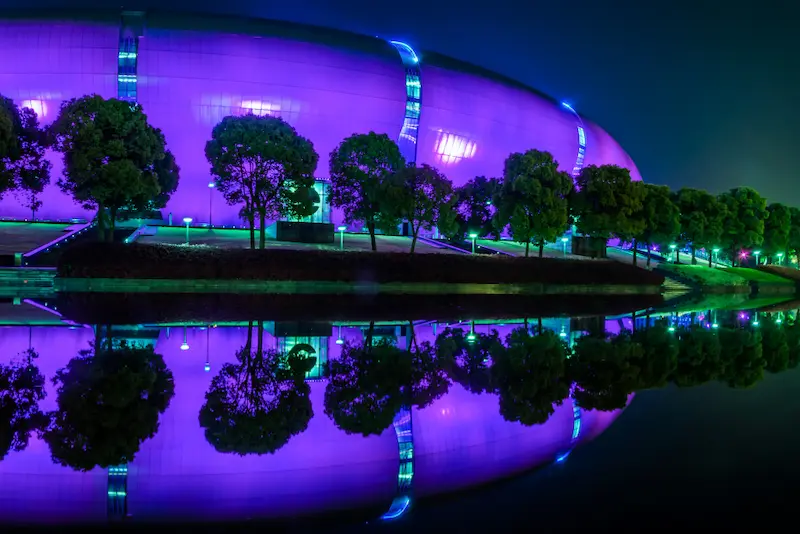
Energy-efficient stadium lighting leverages LED technology with adaptive controls, dimming based on occupancy and daylight, potentially reducing consumption by 60%. In stadium design Saudi Arabia, smart systems like Philips ArenaVision use IoT for real-time adjustments, ensuring 2000 lux for HD broadcasts while minimizing heat. Digital signage stadiums integrate with lighting, syncing dynamic displays with ambient levels for enhanced visibility.
AI enhances efficiency, predicting crowd patterns to optimize energy-efficient stadium lighting during events, supporting crowd management stadiums by reducing congestion near exits. Solar-powered options, piloted in Neom's sustainable stadiums KSA, aim to store energy for night games, potentially reducing grid reliance significantly. Stadium seating innovations incorporate under-seat lighting for safety, guided by wayfinding systems arenas, while turf systems sports venues benefit from targeted illumination to preserve grass health. These innovations meet FIFA 2034 standards, balancing performance and sustainability.