Introduction
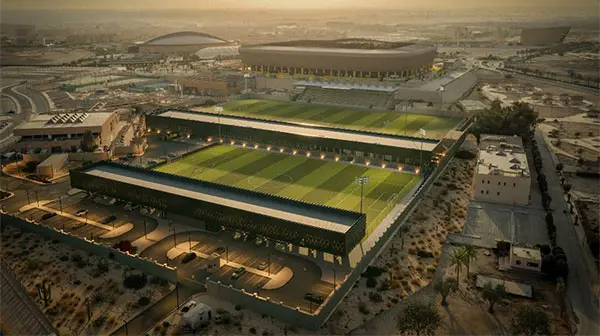
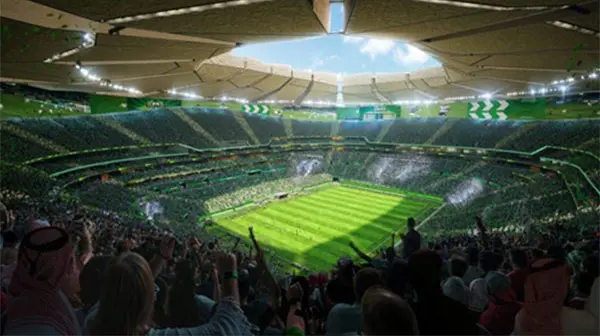
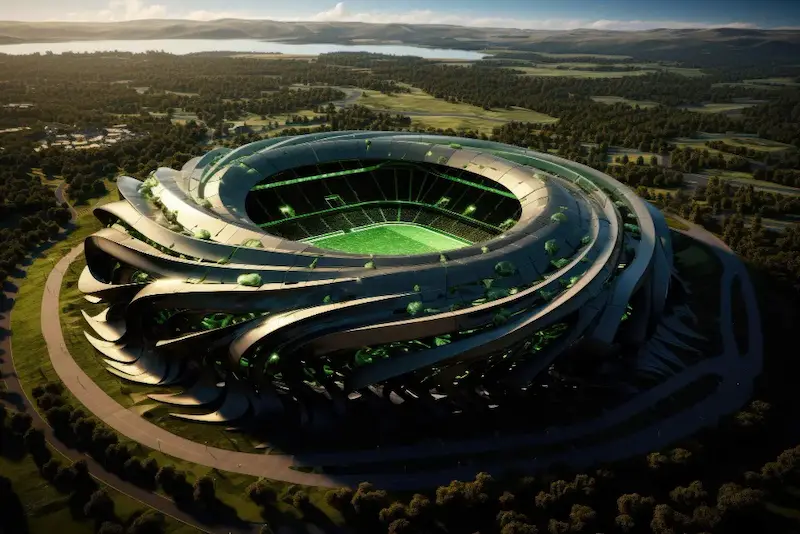
In the heart of Saudi Arabia's ambitious transformation, stadium design is redefining the intersection of cultural heritage and cutting-edge innovation under Vision 2030's sports infrastructure initiatives. As the Kingdom prepares to host the FIFA 2034 World Cup, a wave of multi-functional sports complexes is emerging, blending striking aesthetics with practical functionality to create venues that captivate globally while serving local communities. With estimated investments exceeding $20 billion in 15 state-of-the-art stadiums, these projects exemplify how innovative architecture enhances fan experience technology, ensures sustainable stadiums, and drives economic growth. From the renewable-powered Neom Stadium to the adaptive King Salman Stadium, Vision 2030 is crafting landmarks that harmonize beauty, utility, and resilience in the smart stadium market. This article explores the balance of aesthetics and functionality, highlighting integrations like crowd management systems, digital signage, and advanced turf systems to set new global standards.
The Evolution of Stadium Design in Saudi Arabia
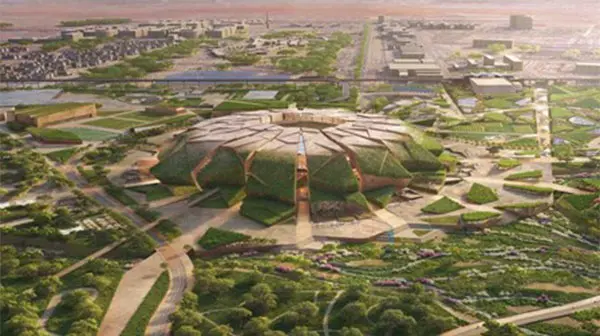
Stadium design in Saudi Arabia has evolved dramatically under Vision 2030, shifting from traditional venues to iconic structures reflecting national identity and ambition. Historically, Saudi stadiums prioritized basic functionality for local sports, but diversification has introduced modular layouts and cultural motifs. The Qiddiya City Stadium, for instance, embodies an avant-garde aesthetic inspired by Saudi landscapes, with cliff-like facades blending into the environment while accommodating 40,000 fans. Similarly, the Dammam Sports City Stadium incorporates geometric patterns reminiscent of traditional Saudi mashrabiya, enhancing cultural resonance
This evolution balances visual appeal with operational efficiency. Aesthetics, like the "growing" design of King Salman Stadium, which unfolds dynamically during events to symbolize growth, draw international attention. Functionality ensures seamless operations, with stadium seating innovations like retractable sections enabling multi-use events, from soccer to concerts. For FIFA 2034, these designs comply with global standards, integrating wayfinding systems for intuitive navigation and energy-efficient stadium lighting to cut costs by up to 50%. Vision 2030's focus on grassroots sports also transforms stadiums into community hubs with gyms, retail, and event spaces.