Proposed Venus Development Brings Subsea Integrity into Focus
The proposed Venus development offshore Namibia provides a project-specific context for examining how pipeline integrity is considered before production begins.
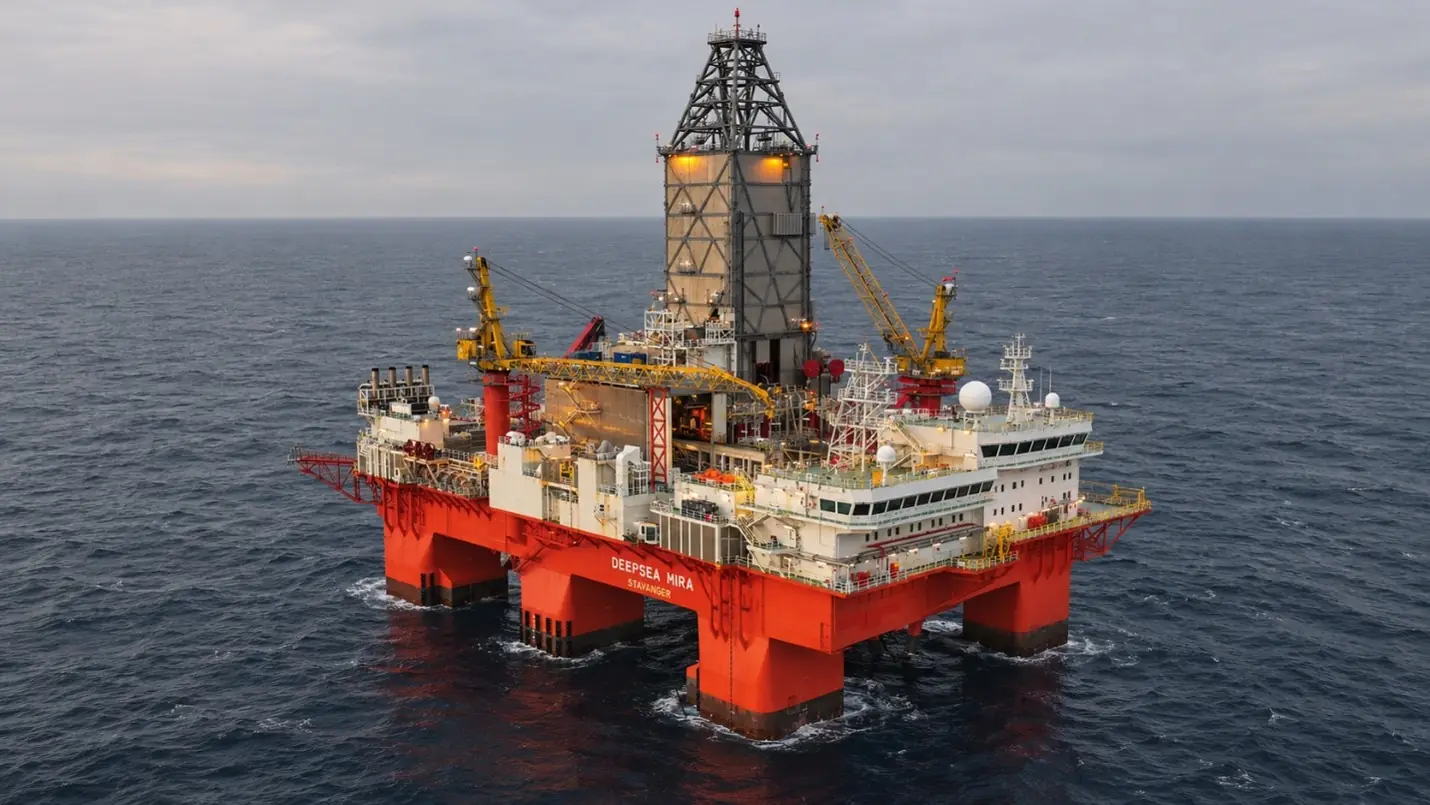
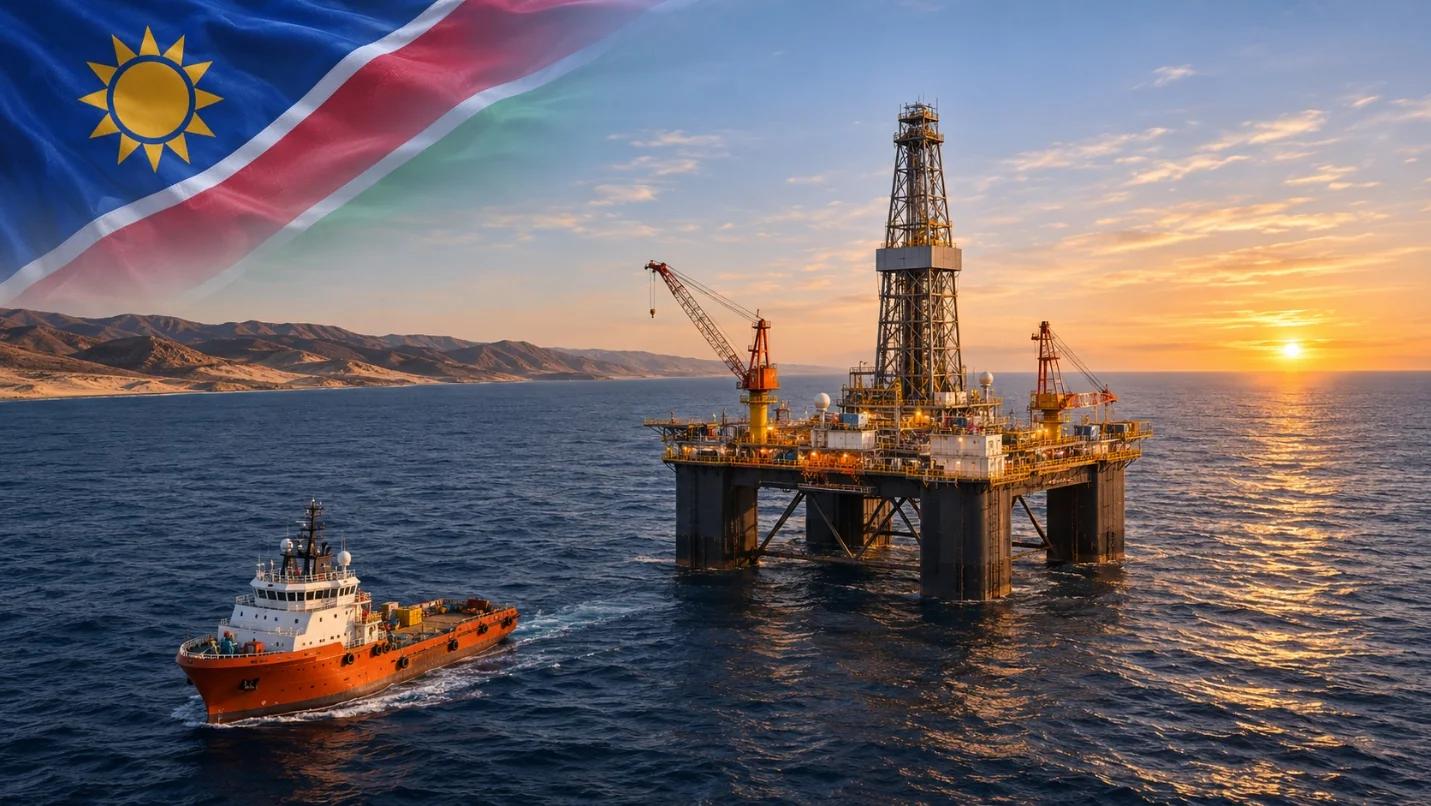
According to the Venus environmental assessment published by SLR Consulting, the development would include up to 40 subsea wells, seabed equipment and a floating production, storage and offloading vessel in water depths around 3,000 metres. The source page records submission of the final assessment for government consideration, without confirming environmental clearance.
For the industry, this makes pipeline protection a planning issue with consequences beyond equipment selection. A useful readiness assessment asks how the proposed system will be inspected, how abnormal conditions will be recognised, and how the operator will decide when further investigation or intervention is needed during its operating life.
Pipeline Design Includes Inspection and Isolation Provisions
The accompanying Environmental and Social Management Plan specifies suitable wall thickness, corrosion allowance and welding quality to reduce rupture risks.
It also provides for gas-pipeline designs that accommodate non-routine inline inspection when necessary, alongside remotely controlled valves for rapid isolation of a damaged segment. These provisions connect design choices with future inspection and incident response.
Corrosion Management Extends into Planned Operations
Operational measures include corrosion inhibitors, flow measurement and pressure/mass-balance monitoring for leak detection. The plan also specifies external pipeline inspection every three years. These remain documented commitments, rather than evidence of installed systems or completed inspections.
For engineering and integrity teams, the broader discussion concerns how these commitments will translate into accountable operating practices. Inspection findings need clear review responsibilities, while changes in equipment condition require decisions about investigation and intervention.
This creates a useful distinction between specifying safeguards and demonstrating their effectiveness. Project readiness discussions can examine both: whether the design accommodates future integrity work, and whether teams have the procedures and resources to act on the information collected.
An additional consideration is coordination between engineering, operations and inspection teams. For project teams, the implication is that these disciplines should review readiness together, with responsibilities assigned. This would help distinguish what the design makes possible from what operating teams must organise, document and verify before relying on those safeguards offshore.