


Subsea Wells Form the Foundation of the Development Concept
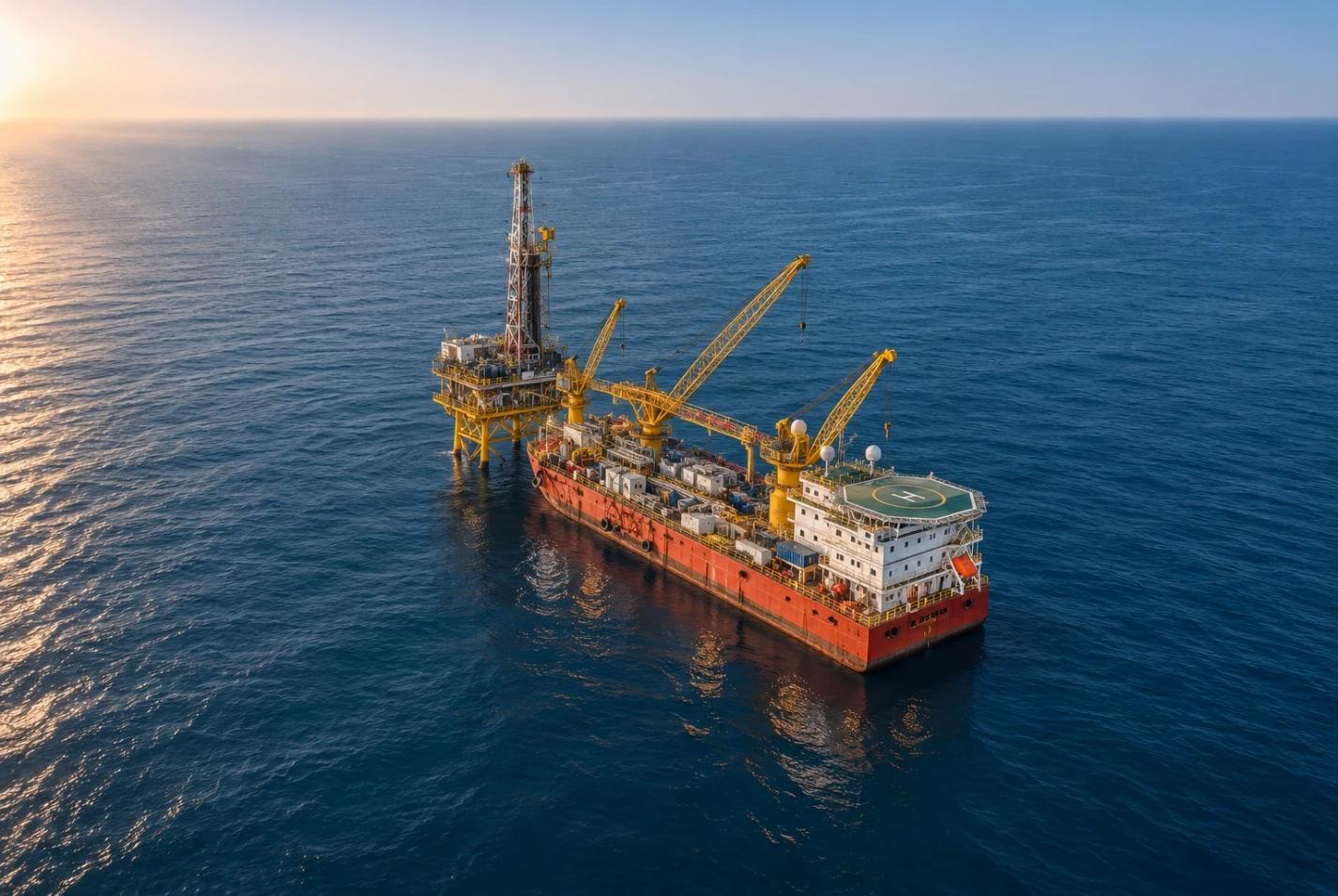
The planned Venus development offshore Namibia combines deepwater wells with a floating production, storage and offloading vessel, creating a connected system for producing, processing and exporting oil.
TotalEnergies’ Venus project overview describes up to 40 subsea wells in approximately 3,000 metres of water, around 300 kilometres from shore. Produced fluids would flow to the FPSO for separation into oil, gas and water.
The concept places the relationship between seabed infrastructure and surface processing at the centre of the project’s engineering scope.
Floating Production Connects Processing with Offshore Export
Under the published concept, oil would be stored aboard the FPSO before transfer to dynamically positioned shuttle tankers. Associated gas would be reinjected into the reservoir, while produced water would be treated before discharge.
The shuttle tankers would carry oil to a nearshore transshipment area north of Walvis Bay for transfer to conventional tankers. TotalEnergies identifies offshore weather and sea conditions as the reason for this two-stage export arrangement.
For industry stakeholders, this provides a useful basis for considering how production facilities and marine logistics must work together throughout an offshore development’s operating life.
Engineering Progress Brings Readiness Planning into Focus
In its February 2026 results and objectives presentation, TotalEnergies reported that front-end engineering and design for Venus had been completed. The presentation outlined production of approximately 150,000 barrels per day, with first oil targeted for 2030 and an investment decision targeted during 2026. These were forward-looking milestones, rather than confirmation of production or project sanction.
From an asset-management perspective, the planned connection between subsea equipment and floating facilities raises questions about inspection access, maintenance responsibilities and the transfer of engineering information into operations.
These are considerations for readiness planning. The public overview does not specify a detailed inspection programme or maintenance schedule, so those arrangements should not be assumed from the development concept alone.


