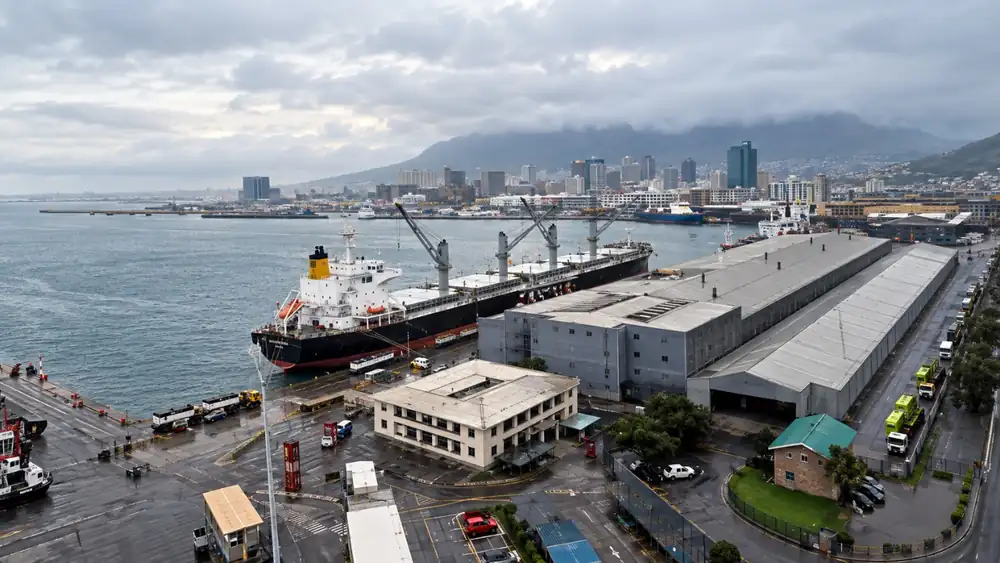
Brownfield Terminal Enters a New Refurbishment Phase
Transnet National Ports Authority has appointed FFS Tank Terminals as the preferred bidder to refurbish and operate a liquid-bulk terminal at the Port of Cape Town under a 25-year concession.
The approximately 6,289 m² brownfield facility specialises in edible oils and compatible cargo, with projected capital and maintenance investment of R102 million.
The scope goes beyond routine terminal maintenance. FFS Tank Terminals will finance, construct, operate and maintain the facility before transferring it back to TNPA at the end of the concession period.
Storage Tank Integrity Sits at the Centre of the Upgrade
A key element of the project is the upgrade of existing storage tanks to improve structural integrity.
For ageing liquid-bulk infrastructure, structural performance can be affected by corrosion, settlement, floor degradation, shell condition and long-term operating stresses. Refurbishment therefore requires more than restoring capacity; it requires evidence that tanks can continue operating safely and reliably throughout an extended service period.
Inspection planning, advanced NDT, corrosion assessment and lifecycle management become particularly important when existing tanks are adapted for continued or changing operational requirements.
Existing Infrastructure Gains New Operational Roles
The project also includes repurposing the existing import pipeline, upgrading gantry and receiving systems, and redeveloping the Nautilus facility.
Once upgraded, the pipeline is expected to accommodate additional cargo types such as caustic soda lye and monoethylene glycol alongside existing vegetable and edible oil operations.
Changing product service introduces new integrity considerations. Materials compatibility, corrosion mechanisms, transfer-system condition and maintenance requirements must all be understood before infrastructure moves into a broader operating envelope.
The result is a strong example of how brownfield modernisation can extend infrastructure usefulness while improving terminal throughput.