Introduction
In the face of water scarcity MENA, public private partnerships water is emerging as a transformative force in water management, bridging funding gaps and fostering innovation for sustainable water solutions. As urban water growth MENA accelerates with cities like Dubai expanding, wastewater management Dubai and stormwater management UAE require collaborative models to address infrastructure needs and regulatory demands. With the global water PPP market projected to grow at 14.36% CAGR, driven by investments like the $300 billion pledged at COP29, these partnerships are key to advancing climate resilient water infrastructure. This article explores the pivotal role of PPPs in water management, highlighting their impact on wastewater recycling UAE, smart city water innovation, and regional resilience.
The Need for Public-Private Partnerships in Water Management
Water scarcity MENA affects over 170 million people, with MENA countries facing a $21 billion annual infrastructure deficit due to limited public funds. Urban water growth MENA, with Dubai's population surging, strains existing systems, necessitating upgrades for wastewater management Dubai and stormwater management UAE. Traditional government-led projects often lack the agility and capital to meet these demands, especially amid climate change impacts like flash floods.
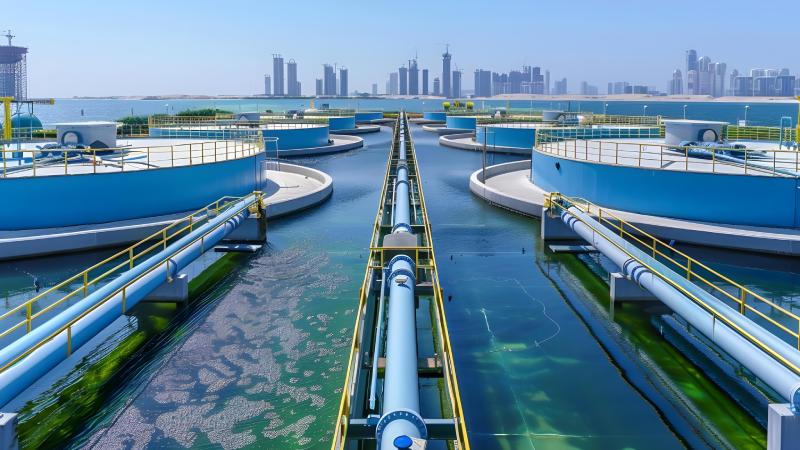
Public private partnerships water offers a solution, pooling public oversight with private expertise and investment. In the UAE, PPPs have driven projects like the $1.2 billion Al Warsan wastewater plant, recycling 260,000 cubic meters daily. These collaborations accelerate the deployment of climate resilient water infrastructure, leveraging private sector innovations like smart city water innovation for efficient water use. With COP29's $300 billion pledge, PPPs are poised to address water resource management UAE challenges, ensuring sustainable growth.
Benefits and Innovations Through PPPs
PPPs bring financial and technical advantages, with private firms contributing 40-60% of project costs, as seen in Saudi Arabia's NEOM water initiatives. Innovations include advanced membrane bioreactors for wastewater recycling UAE, reducing energy use by 30% through AI optimization. Smart city water innovation, like IoT sensors in Dubai, enhances leak detection, saving 20% of water losses.
In stormwater management UAE, PPPs fund green infrastructure like permeable pavements, cutting flood risks by 35% in pilot projects. Desalination sustainable MENA benefits from private tech, with solar-powered plants reducing carbon footprints by 40%. These partnerships also tackle PFAS wastewater MENA through advanced filtration, ensuring compliance with 2025 standards. The result is a robust framework for water resource management UAE, blending public policy with private efficiency.
Ready to explore these innovations in action? Click here to learn more and secure your spot at the upcoming conference.