Introduction
In the dynamic landscape of oil gas challenges 2025, few issues pose as insidious a risk as corrosion under insulation (CUI). As global energy demands surge and infrastructure ages, CUI has emerged as a silent saboteur, costing the industry billions in downtime, repairs, and safety hazards. This form of corrosion, hidden beneath layers of insulation on pipelines, tanks, and vessels, affects carbon steel, low-alloy steels, and even stainless-steel components, exacerbating problems in aging infrastructure oil gas. With the oil and gas sectors grappling with volatile markets and regulatory pressures, effective asset integrity management oil gas is crucial. Innovations like FRP pipes oil gas and advanced CUI monitoring oil gas are stepping in to combat this threat, but the challenge remains acute, especially in regions like the Middle East where harsh environments accelerate degradation. As we delve deeper, we'll explore the causes, impacts, and cutting-edge strategies to mitigate CUI, positioning solution providers at the forefront of resilience.
Understanding CUI: Causes and Vulnerabilities in Modern Operations
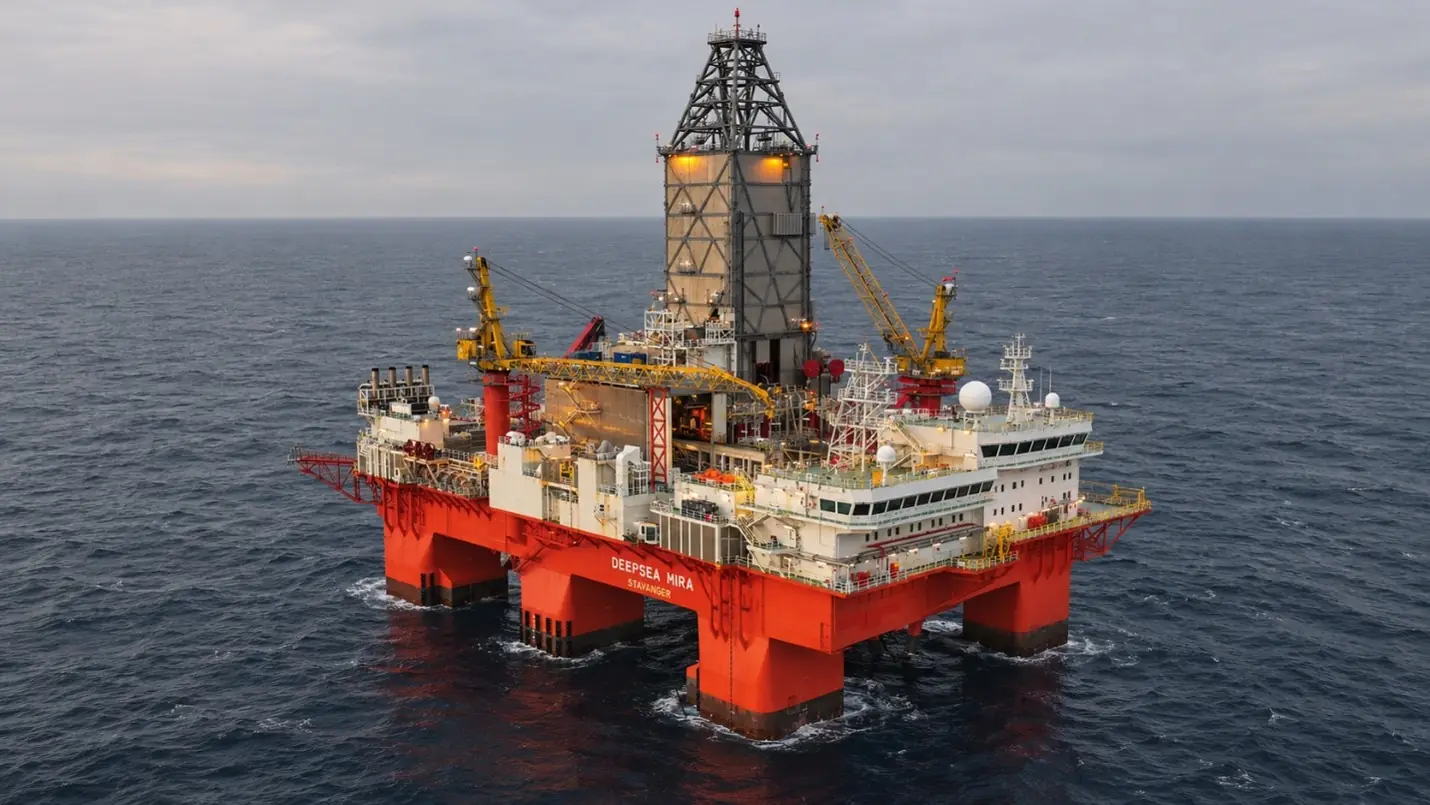
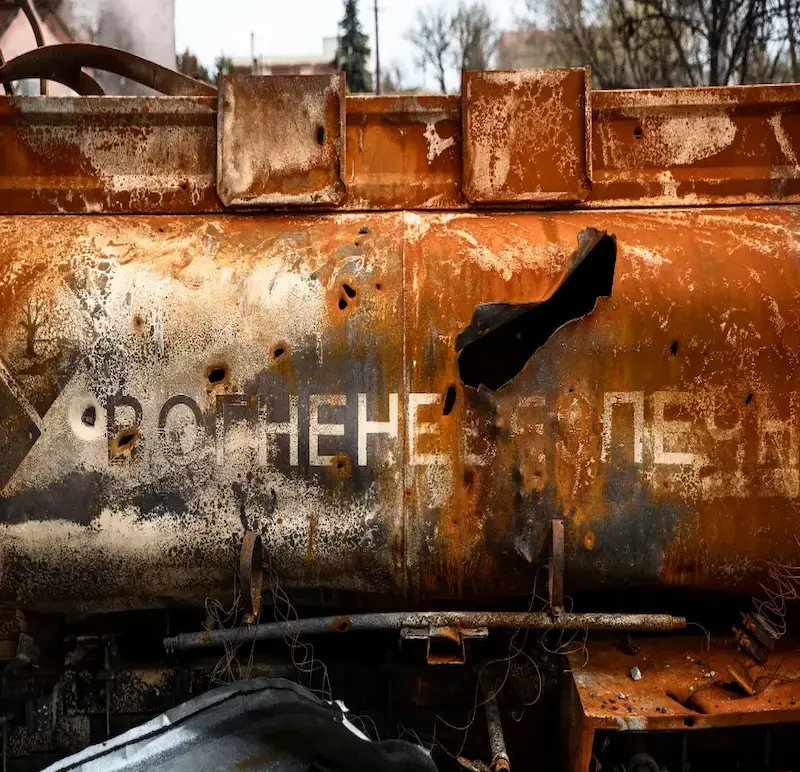
Corrosion under insulation CUI occurs when moisture infiltrates insulated systems, creating an electrochemical reaction that erodes metal surfaces. In the oil and gas industry, this is particularly prevalent in aging infrastructure oil gas, where decades-old pipelines and facilities face extreme temperatures, humidity, and chemical exposure. Key causes include poor insulation design, water ingress from rain or process leaks, and cyclic thermal stresses that crack protective coatings. For instance, in offshore oil gas innovations, platforms endure saltwater corrosion, while onshore refineries in arid climates like Saudi Arabia deal with unexpected condensation under insulation.
The vulnerability is heightened by the hidden nature of CUI insulation obscures visual inspections, making early detection challenging. Industry reports indicate that CUI contributes to over 20% of major oil and gas incidents, with the global market for CUI solutions expanding from USD 221.75 million in 2018 to USD 346.32 million in 2024, driven by rising awareness and technological needs. In asset integrity KSA, where Vision 2030 emphasizes sustainable energy infrastructure, CUI poses a direct threat to production continuity. Integrating predictive maintenance oil gas early in asset lifecycles can identify risks, but legacy systems often lack the digital transformation oil gas tools required for proactive monitoring.