Offshore Assets Need Continuous Structural Visibility
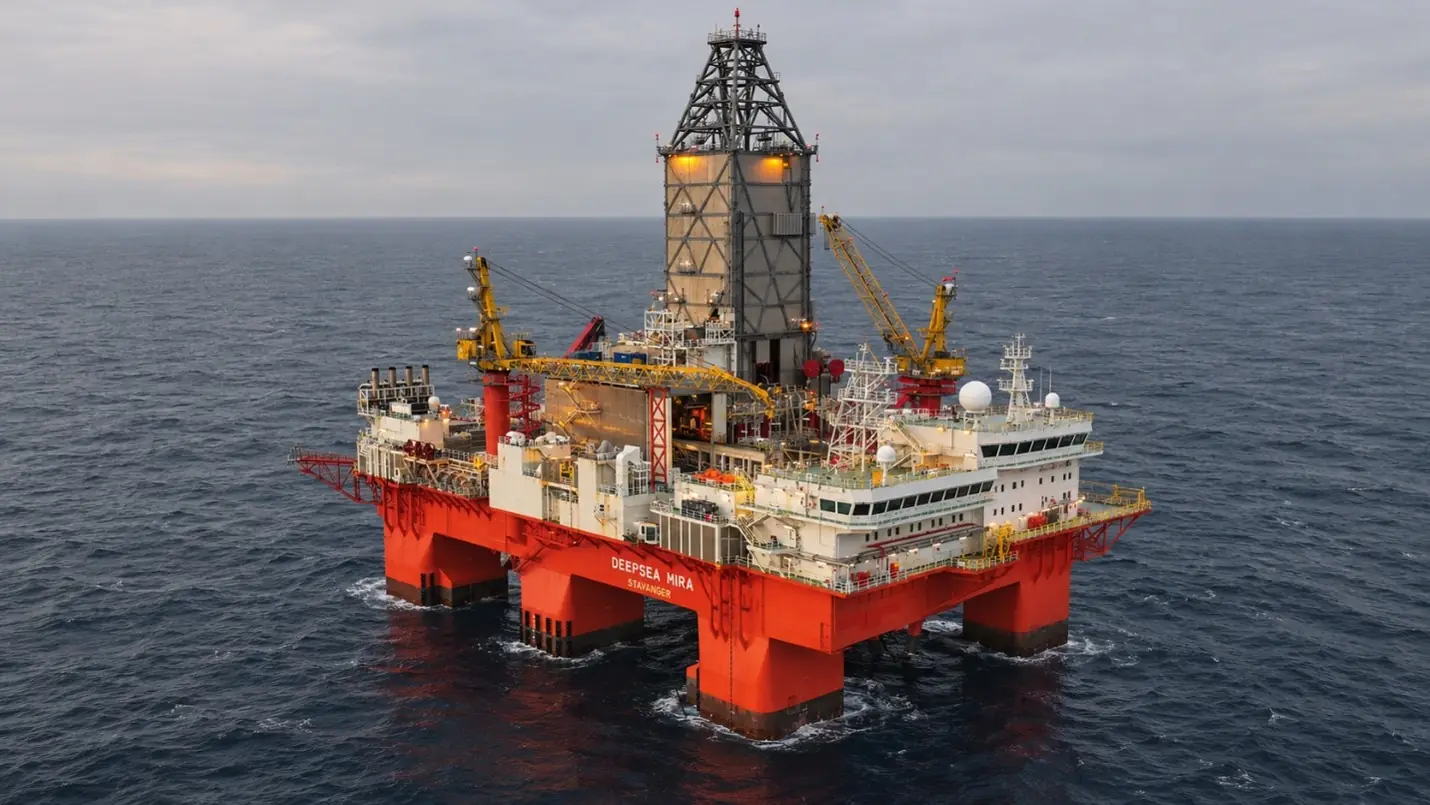
FPSOs and offshore production assets operate in complex environments where structural integrity, reliability, and operational availability are central to long-term performance. These assets are exposed to changing metocean conditions, cargo loading cycles, fatigue, corrosion, vibration, and operational stress throughout their lifecycle.
Traditional inspection and engineering assessments remain important, but offshore operators increasingly need more continuous visibility into how assets are physically performing. Structural twin technology supports this shift by creating a dynamic digital representation of the asset, helping teams understand real structural behavior beyond fixed inspection intervals.
For FPSOs, this can strengthen confidence in maintenance planning, inspection prioritization, and asset life extension decisions.
Structural Twins Strengthen Reliability Planning
Structural twins combine engineering models with operational and inspection data to provide a clearer view of asset condition. By connecting inspection records, environmental conditions, cargo operations, and structural performance into one model, operators can better identify stress concentrations, fatigue risks, and areas requiring closer attention.
This supports a more predictive approach to reliability planning. Instead of relying only on historical data or simplified models, integrity teams can use structural intelligence to guide risk-based inspection, maintenance timing, and lifecycle decisions.
For offshore infrastructure, this visibility can help reduce uncertainty and improve coordination between operations, inspection, maintenance, and engineering teams.
Digital Twin Technology Supports Asset Life Extension
Many offshore assets are expected to operate safely and efficiently across extended service lives. Structural twin technology can support this by improving how operators understand asset limits, degradation patterns, and performance under real operating conditions.
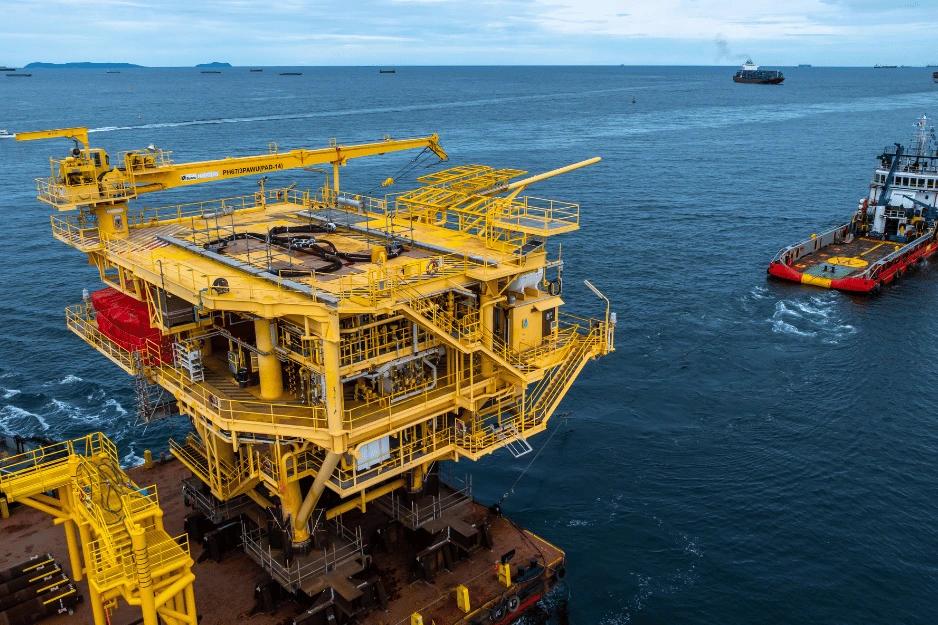
This is especially relevant for FPSOs, offshore platforms, subsea systems, and marine structures where downtime is costly and access can be challenging. High-fidelity digital twins can help operators plan interventions more effectively, optimize inspection scopes, and support safer long-term asset performance.