Refining Reliability Depends on Structural Visibility
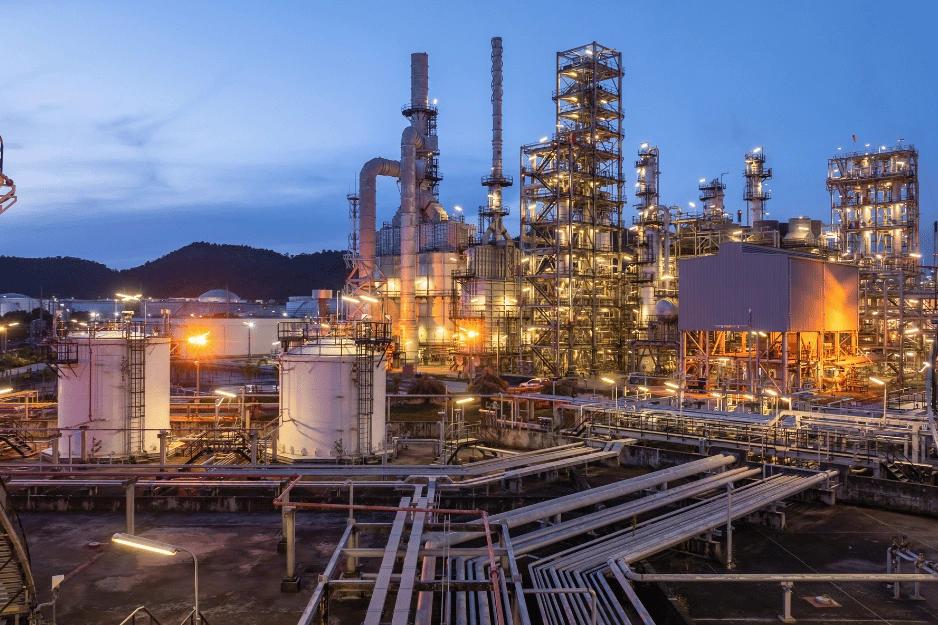
Refineries and petrochemical facilities operate some of the most complex and energy-intensive assets in the industrial sector. Hydrotreaters, reactors, heaters, furnaces, separators, pressure systems, piping networks, and supporting structures all play a critical role in maintaining safe, stable, and efficient operations.
As these assets continue operating under high utilization and demanding conditions, reliability teams need deeper visibility into asset health. Traditional inspection and maintenance programmes remain essential, but they are increasingly being strengthened by digital tools that provide a clearer understanding of structural condition, degradation patterns, and equipment performance.
Structural Performance Management supports this shift by connecting engineering models, operational data, and asset health insights into a more practical decision-making framework.
Shutdown Efficiency Requires Better Asset Intelligence
Shutdowns and startups are among the most critical phases in refinery operations. They involve tight schedules, complex coordination, high-value equipment, and significant operational planning. When asset condition is not fully understood, shutdown windows can become harder to optimize.
Structural Performance Management helps operators improve visibility before, during, and after shutdown activity. By identifying asset constraints and supporting more accurate maintenance planning, teams can prioritize the right interventions and reduce unnecessary downtime.
This creates a stronger foundation for turnaround readiness, startup efficiency, maintenance coordination, and long-term asset performance.
Digital Structural Monitoring Supports Lifecycle Performance
Real-time structural health monitoring gives operators a more informed view of how critical equipment behaves under operating conditions. This can support improved decisions around inspection timing, maintenance schedules, asset life extension, and operational flexibility.
For refining and petrochemical facilities, this is especially valuable because structural integrity directly influences reliability, production continuity, and lifecycle value.
By integrating structural performance insights into daily operations, operators can move from reactive maintenance toward predictive and reliability-led asset management.