FPSO Reliability Depends on Structural Intelligence
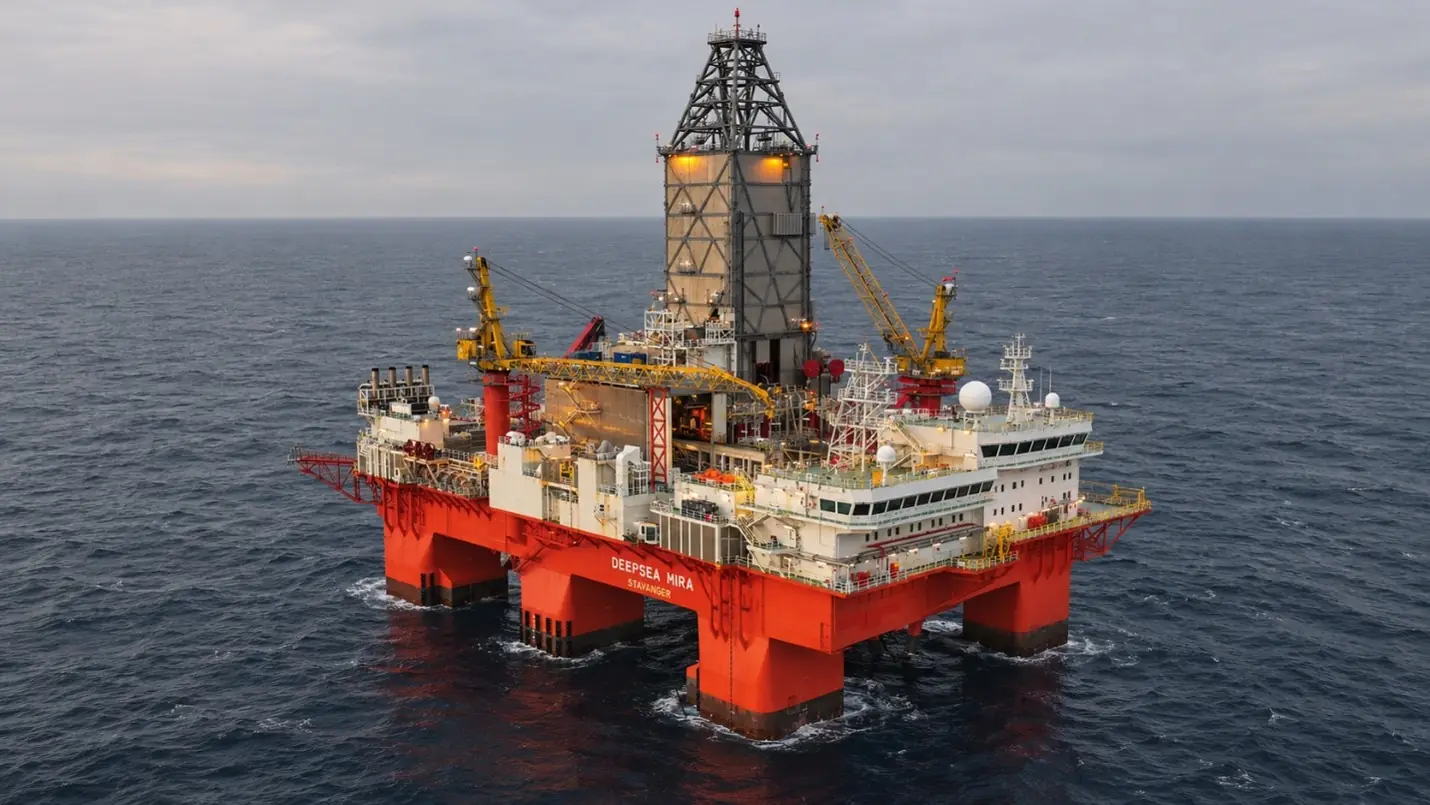
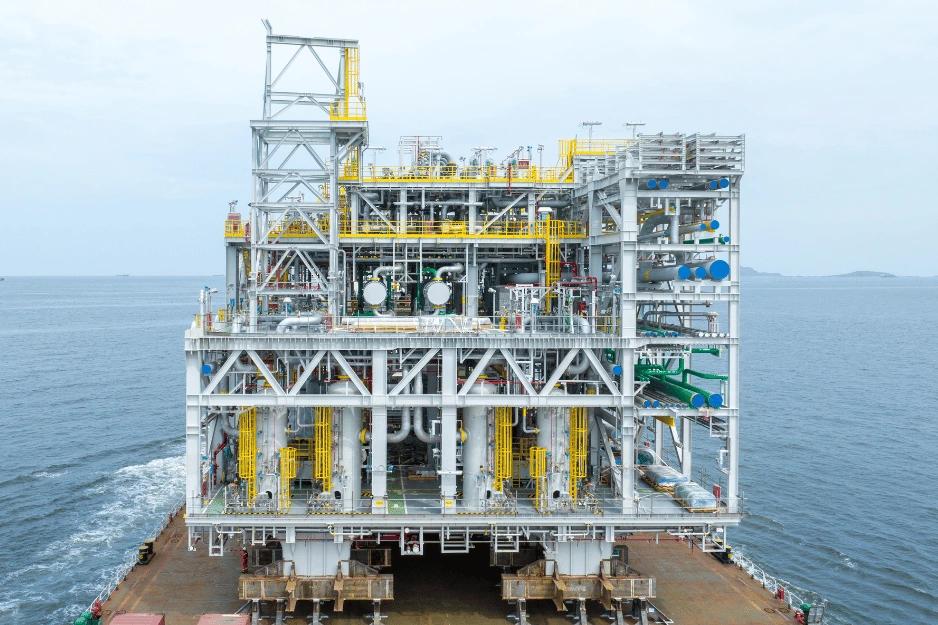
FPSOs operate in demanding offshore environments where asset integrity, structural performance, and production continuity are closely connected. These assets are exposed to changing metocean conditions, tank loading cycles, fatigue, corrosion, vibration, and operational stress over long service lives.
For offshore operators, reliability planning cannot depend only on scheduled inspections or historical records. It increasingly requires continuous structural intelligence that shows how the asset is performing under real operating conditions.
Structural Performance Management supports this need by creating a more connected view of asset health, inspection data, operational conditions, and structural behavior.
Structural Twins Improve Offshore Integrity Decisions
A structural twin provides a detailed digital representation of the FPSO, helping teams monitor asset health, identify stress hotspots, assess fatigue, and evaluate “what-if” operating scenarios.
This allows integrity and maintenance teams to make better decisions around inspection timing, repair prioritization, life extension, and operational flexibility. Instead of relying only on conservative assumptions, operators can use data-supported structural insights to understand where risk is increasing and where spare capacity may exist.
For FPSOs, this can strengthen offshore asset integrity while supporting safer and more efficient long-term operations.
Maintenance Optimization Supports Asset Life Extension
Maintenance planning is one of the most important drivers of FPSO reliability. When asset condition is better understood, operators can optimize inspection scopes, reduce unnecessary interventions, improve turnaround readiness, and minimize planned or unplanned downtime.
Structural Performance Management also supports integration with inspection data management systems and risk-based inspection workflows. This helps offshore teams align engineering, inspection, operations, and maintenance decisions around a single view of asset performance.
For complex offshore infrastructure, this level of visibility can support asset life extension, operational efficiency, and stronger lifecycle value.