Strategic Reserves Put Storage Infrastructure Under the Spotlight
South Africa’s plans to strengthen strategic petroleum reserves are bringing storage capacity and tank reliability into sharper focus.
Cabinet has approved the draft Strategic Petroleum Stocks Policy for publication for public comment, with the proposal aimed at strengthening energy security and reducing the economic impact of supply disruptions. Under the proposed mixed stockholding model, the South African National Petroleum Company would maintain strategic reserves equivalent to 60 days of net imports for both crude oil and refined petroleum products, increasing to 90 days over the longer term.
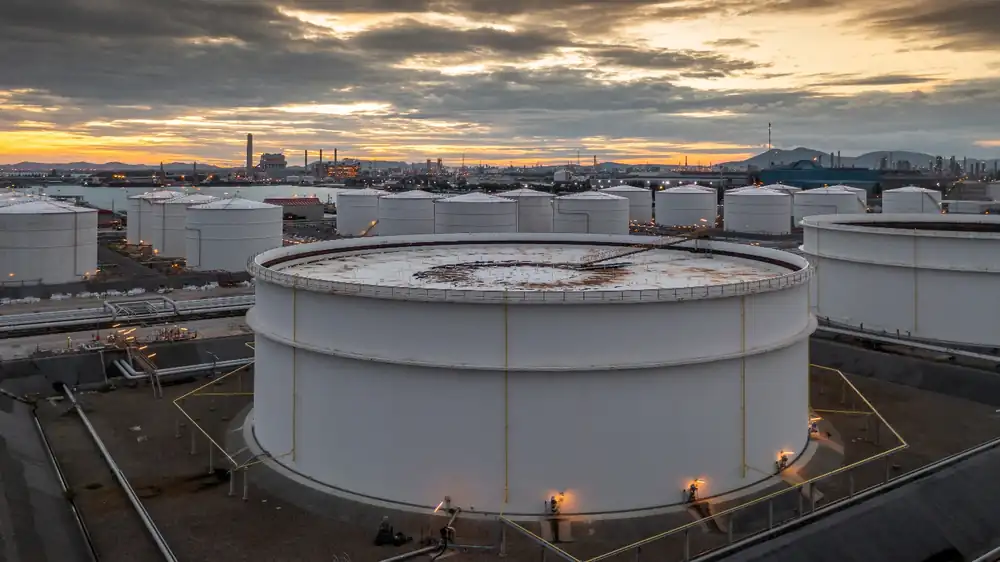
For storage and terminal operators, the implications extend beyond additional capacity. Strategic reserves depend on infrastructure that can safely hold large volumes of product over extended periods while remaining ready for reliable withdrawal when required.
More Stockholding Means Greater Integrity Responsibility
Increasing petroleum stockholding places greater emphasis on the condition of tanks, pipelines, transfer systems and associated terminal infrastructure.
Long-duration storage can intensify the importance of corrosion monitoring, tank-bottom inspection, water management, seal integrity, settlement assessment and leak prevention. Different crude and refined products may also introduce varying corrosion, compatibility and operating requirements.
Tank integrity programmes therefore become part of national supply resilience. A storage tank may appear operationally available, but its real value depends on whether it can safely retain product, protect quality and remain ready for service when strategic stocks are needed.
Maintenance Readiness Supports Energy Resilience
The wider government fuel-sector discussion has highlighted vulnerabilities in stockholding arrangements and the need to strengthen domestic petroleum resilience. It has also reinforced the importance of investment in infrastructure, storage and distribution networks.
For tank farms and terminals, this creates a stronger case for risk-based inspection, advanced NDT, corrosion mapping, digital condition monitoring and structured maintenance planning.
Operators need clear visibility into remaining asset life, repair priorities and capacity constraints before higher stockholding requirements translate into operational pressure.