Planning for Future Import Requirements
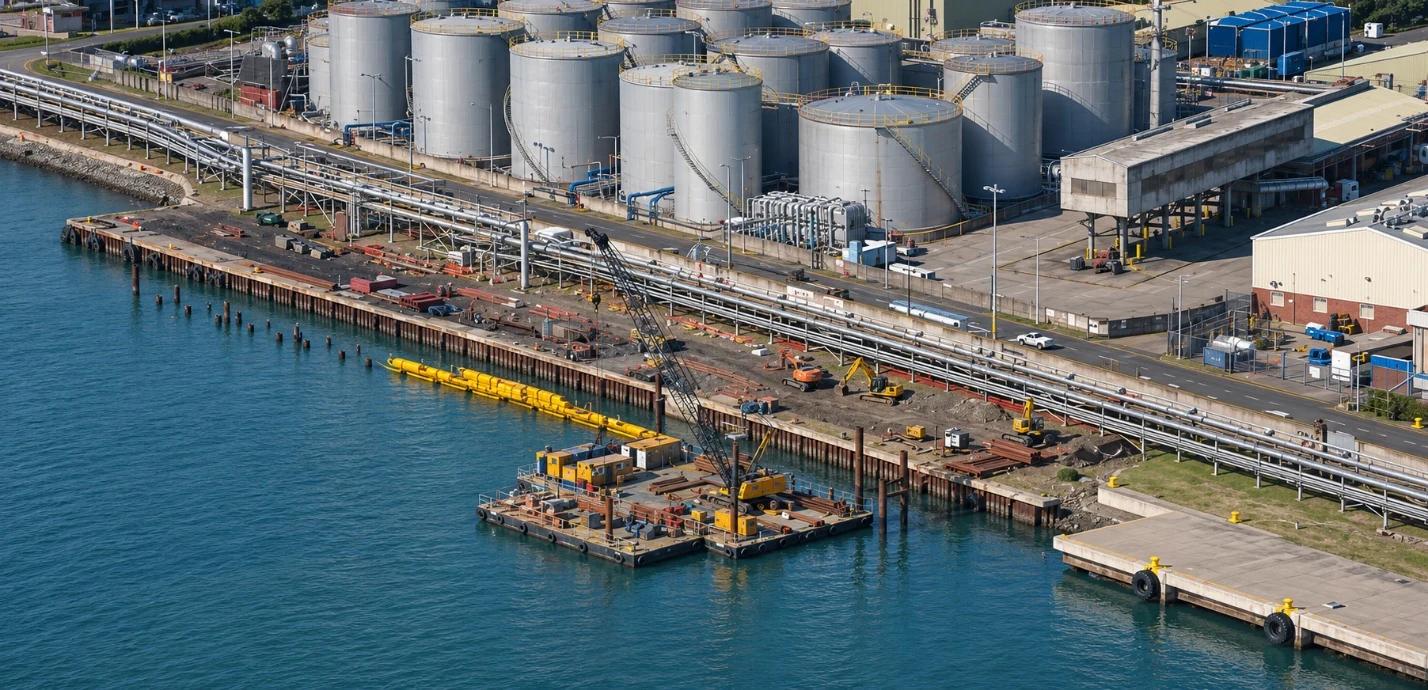
South Africa is positioning Island View at the Port of Durban to accommodate future fuel imports, storage requirements and associated logistics.
According to a SAnews report published on 11 June 2026, Transport Minister Barbara Creecy said the Department of Transport was working with Transnet and the ports authority on initiatives addressing infrastructure planning, operational efficiency, safety and investment.
For terminal operators, the planning question extends beyond how much additional fuel could arrive. It also concerns how storage availability, receiving operations and onward distribution can work together as requirements change. Viewed from an operational perspective, future readiness calls for investment decisions that consider the complete movement of fuel through a terminal.
Investment Certainty and Industry Coordination
Creecy also emphasised predictable government frameworks and stronger cooperation between public institutions, investors and infrastructure users. The minister’s remarks set out policy priorities; they did not specify additional storage volumes, project budgets or construction dates.
For infrastructure owners, this creates a useful distinction between identifying future demand and committing to individual projects. An investment proposal needs to consider how new requirements fit existing operations, what supporting connections are needed and how implementation could affect customers.
These are planning considerations, rather than confirmed elements of an Island View project. They help explain why coordination matters: storage investment delivers its intended value when the surrounding logistics arrangements can support its use.
Connecting Growth Plans with Operational Readiness
For the storage sector, the broader discussion raises practical questions. Can existing assets support proposed operating patterns? How should maintenance access be accommodated? What information do operators need before committing to changes?
Addressing these questions early can help teams assess investment options alongside their operating responsibilities. It also gives engineering, commercial and safety teams a shared basis for reviewing future infrastructure needs.