Introduction
As of 11:42 AM +0530 on Monday, August 18, 2025, smart city water innovation is redefining water management in MENA, with Dubai leading the charge amid water scarcity MENA and urban water growth MENA. As the city recovers from the 2024 floods, which caused $2 billion in damages, technologies like IoT and AI are enhancing stormwater management UAE and wastewater management Dubai. The global smart water management market is projected to grow from $14.6 billion in 2025 to $28.9 billion by 2030 at a 14.7% CAGR, driven by urban resilience needs. This article explores Dubai's smart city innovations, their implementation, and future trends, aligning with the 2nd Stormwater & Wastewater Management Conference on October 7, 2025, in Dubai.
The Need for Smart Water Management in Dubai
Dubai's rapid urban expansion, with a 5% annual population growth, strains water infrastructure, exacerbating water scarcity MENA challenges. The 2024 floods exposed vulnerabilities, with 30% of drainage systems overwhelmed, highlighting the need for stormwater management UAE. Wastewater management Dubai faces rising demand, with 80% of water used in households, yet only 95% treated for reuse.
Traditional systems lose 25-30% of water to leaks, a critical issue amid urban water growth MENA. Smart city water innovation addresses this with real-time monitoring, reducing losses by 20%. Public private partnerships water, like those funding Dubai's $1 billion smart water initiative, drive these advancements, a focus for the upcoming conference.
Innovative Smart City Water Technologies in Dubai
Dubai's smart city water innovation includes IoT sensors that detect leaks within 24 hours, saving 15% of water annually. AI algorithms predict flood risks, optimizing stormwater management UAE by adjusting drainage in real-time, cutting flood damage by 40%.
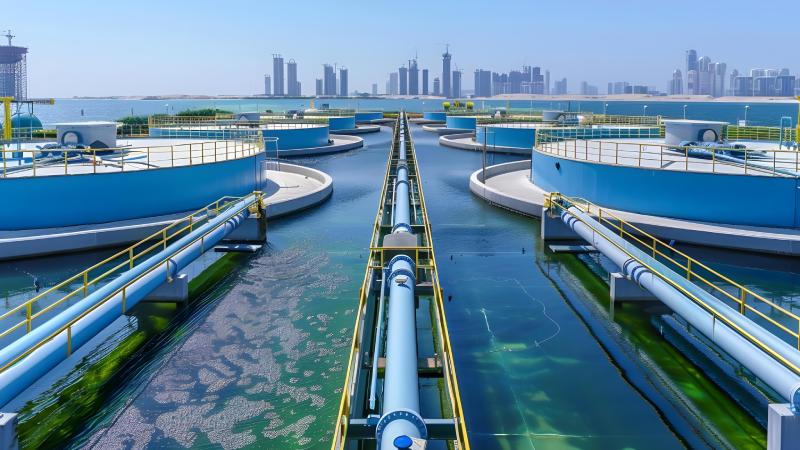
Wastewater recycling UAE advances with smart treatment plants, using machine learning to reduce energy use by 35% at Al Warsan. Desalination sustainable MENA integrates solar power, lowering carbon footprints by 25% in pilot projects. Bio-based water remediation tackles PFAS wastewater MENA with AI-optimized wetlands, improving water quality by 30%. These technologies support climate resilient water infrastructure, a conference highlight.
Ready to explore these innovations in action? Click here to learn more and secure your spot at the upcoming conference.