Introduction
As oil gas challenges 2025 intensify, safety and resource allocation in upstream production are emerging as critical priorities to ensure operational stability amid volatile markets and aging infrastructure oil gas. With upstream operations accounting for 70% of oil & gas incidents globally, the industry is turning to advanced strategies like predictive maintenance oil gas and digital transformation oil gas to mitigate risks and optimize resources. The upstream safety market is projected to grow to $12.3 billion by 2026 at a 5.2% CAGR, driven by smart technologies and regulatory demands. This article explores safety enhancements and resource strategies, integrating asset integrity management oil gas, FRP innovations oil gas, and carbon capture oil gas to address upstream priorities effectively.
Safety Challenges in Upstream Oil & Gas Operations
Upstream production faces significant safety risks, from blowouts in offshore oil gas innovations to equipment failures in aging infrastructure oil gas due to corrosion under insulation CUI. In 2024 alone, incidents like the North Sea leak highlighted gaps, costing $500 million in damage and halting production. In asset integrity KSA, extreme heat and sandstorms exacerbate hazards, with 25% of incidents linked to human error or poor communication.
Resource allocation struggles with budget constraints in oil gas supply chain 2025 volatility, leading to deferred maintenance and increased risks. Regulatory bodies, like OSHA, mandate rigorous safety protocols, while Vision 2030 pushes for zero-harm workplaces. CUI monitoring oil gas and RBI inspection oil gas are vital, but manual methods fall short. FRP pipes oil gas offer durable alternatives, reducing leak risks, while carbon capture oil gas initiatives require safe handling, making integrated safety strategies essential.
Strategies for Safety and Resource Optimization
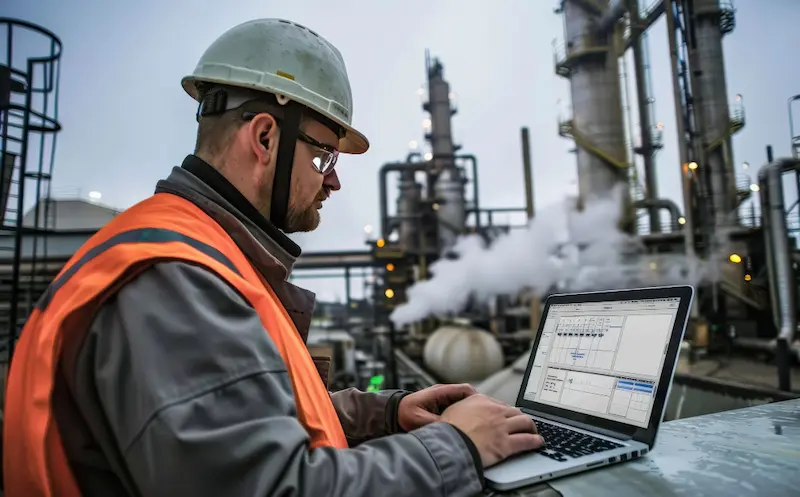
Safety strategies leverage predictive maintenance oil gas with IoT sensors to detect anomalies, cutting incident rates by 30%. Digital transformation oil gas introduces real-time dashboards for hazard monitoring, enhancing decision-making. In asset integrity management oil gas, AI-driven RBI inspection oil gas prioritizes high-risk zones, reducing inspection costs by 20%.
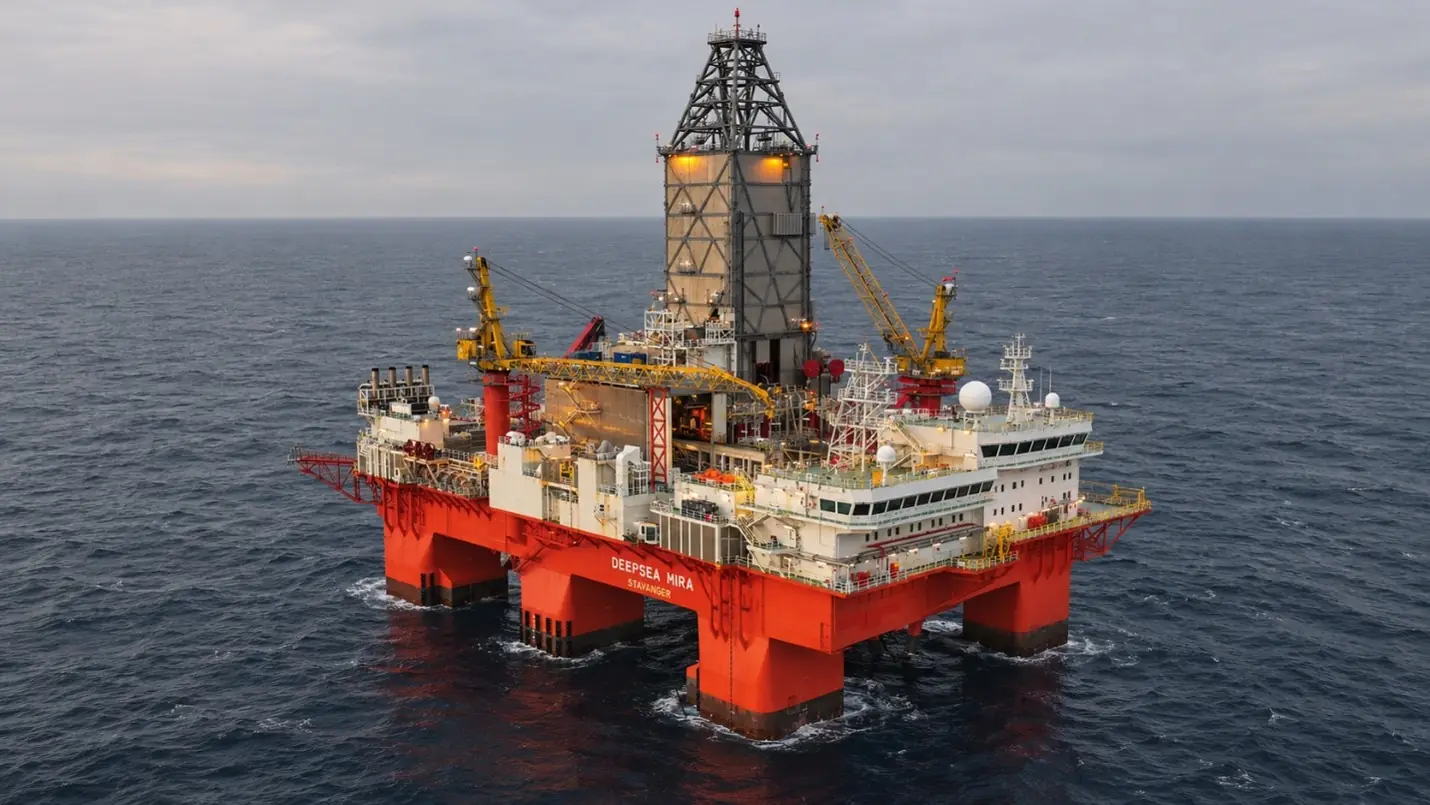
Resource allocation optimizes through data analytics, allocating personnel and equipment based on production forecasts. FRP innovations oil gas provides lightweight, corrosion-resistant materials, extending asset life and lowering maintenance needs. Carbon capture oil gas integrates safety protocols for CO2 transport, using smart valves to prevent leaks. In offshore oil gas innovations, remote-operated vehicles (ROVs) enhance safety by minimizing human exposure, aligning with sustainability goals.
Ready to explore these innovations in action? Click here to learn more and secure your spot at the upcoming conference.