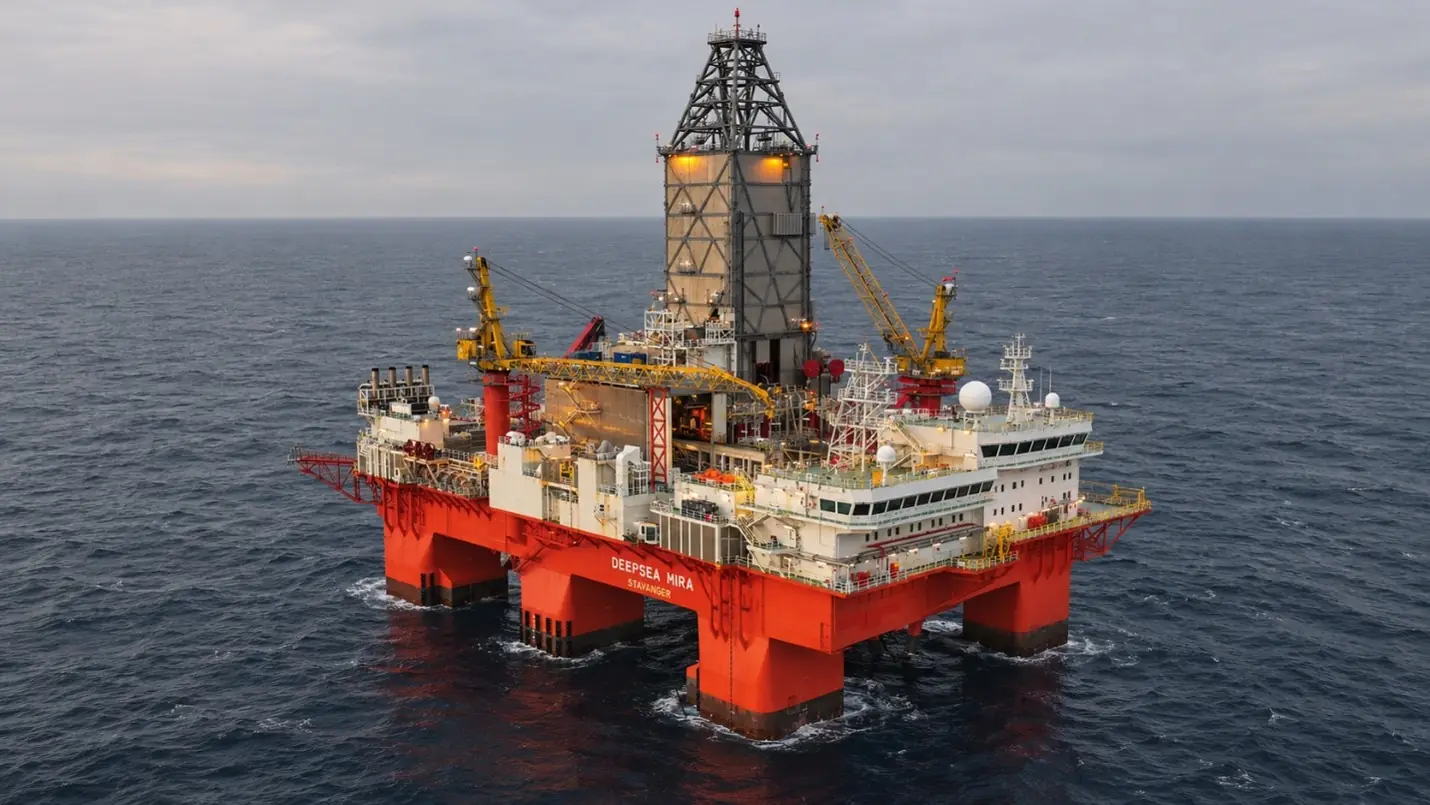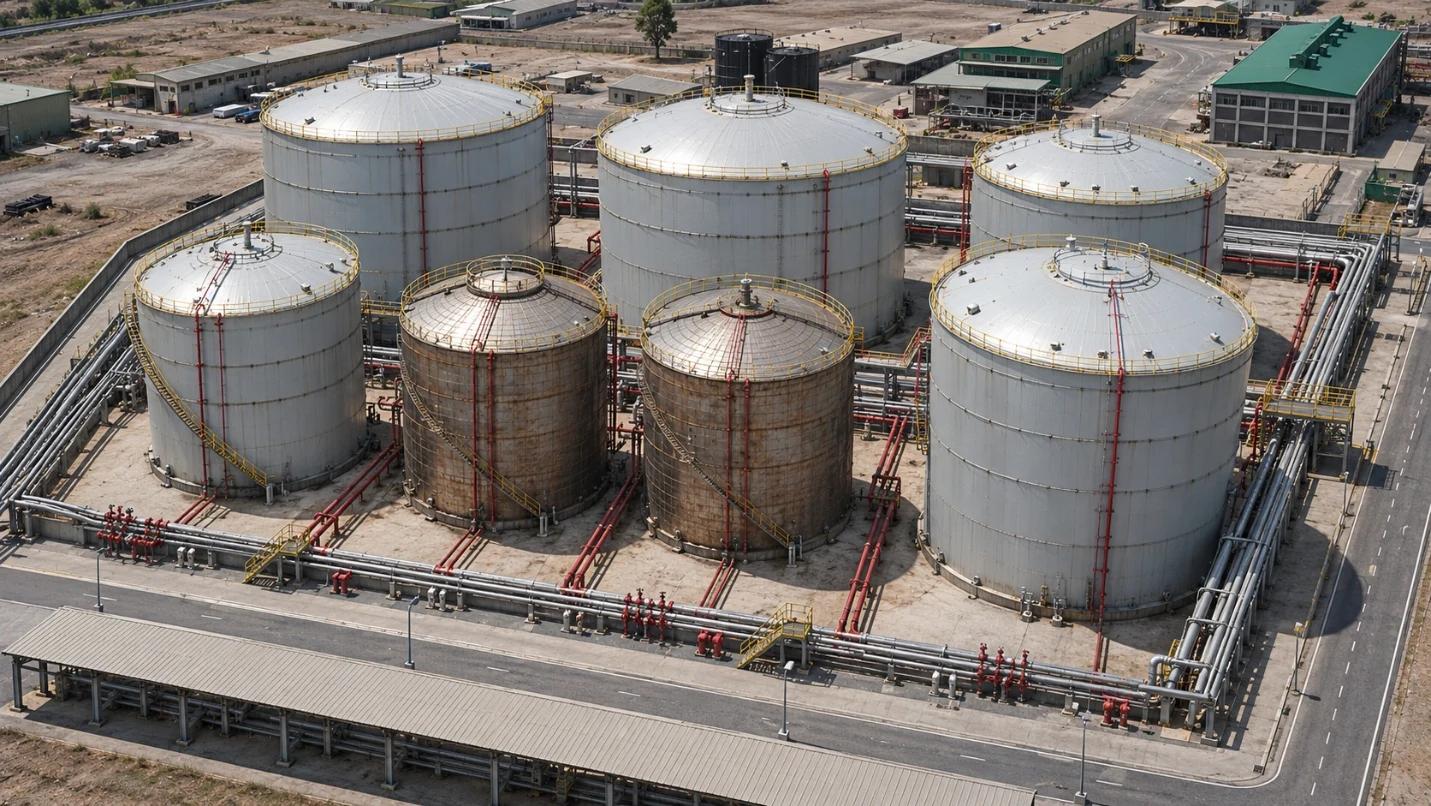
South Dunes Plans Span Multiple Product Categories
The proposed South Dunes terminal development at the Port of Richards Bay covers a diverse product portfolio, combining established fuel markets with plans to accommodate emerging energy products.
According to SAnews’ report published on 8 May 2025, Transnet National Ports Authority selected five preferred bidders for five liquid-bulk terminals. The development was valued at approximately R17 billion, with a 25-year concession period.
The listed products include diesel, petroleum, jet and marine fuels, biofuel, hydrogen, LPG, pure butane, pure propane, base oils and bitumen. The announcement presents this range collectively, without assigning particular products to individual bidders.
Product Diversity Puts Storage Planning in Focus
For terminal stakeholders, the breadth of the proposed portfolio raises practical questions about how future facilities will support their intended services.
From an asset-management perspective, development planning offers an opportunity to consider maintenance access, inspection arrangements, operating responsibilities and the information teams will need throughout an asset’s life.
For owners and operators, a key consideration is how these requirements will carry through from project planning into everyday operations. Clear documentation and coordination between development and operational teams can support that transition.
Detailed storage configurations were not disclosed in the announcement. Further technical information would therefore be needed to assess the requirements of individual facilities.
Concession Scope Extends Through Operation and Maintenance
The reported project scope includes funding, design, development, construction, operation, maintenance and transfer. At the time of the announcement, negotiations to conclude Terminal Operator Agreements were still to begin.
This long-term structure brings lifecycle planning into the discussion. For prospective terminal operators, assessing a development also involves considering the resources, skills and maintenance arrangements required over its operating life.
As individual projects become more defined, their specifications will provide a clearer basis for discussing asset integrity and operational readiness. Preferred-bidder selection represents an earlier stage in that process.