South Dunes Moves Into a Major Development Phase
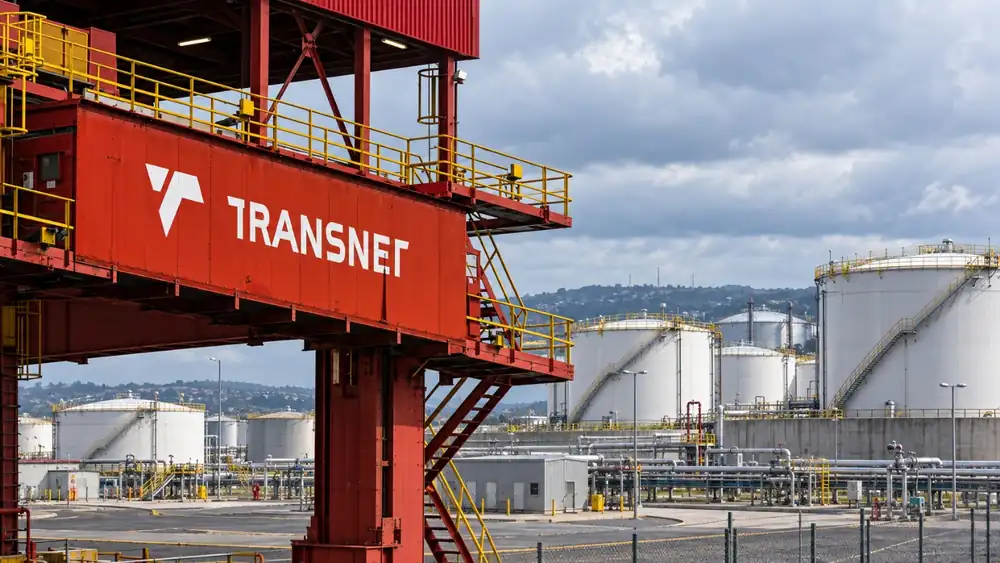
Transnet National Ports Authority has named five preferred bidders for the development of liquid-bulk and green-fuel terminals at the South Dunes Precinct of the Port of Richards Bay.
The approximately R17 billion development will involve five terminals delivered under planned 25-year concession arrangements, covering financing, design, construction, operation, maintenance and eventual transfer.
For South Africa’s storage sector, the development represents more than additional terminal capacity. It introduces new infrastructure designed to handle a broad mix of conventional petroleum products and emerging energy carriers.
Multi-Product Storage Raises Technical Complexity
The South Dunes terminals are expected to handle products including diesel, petroleum, jet fuel, marine fuels, biofuel, hydrogen, LPG, butane, propane, base oils and bitumen.
That diversity creates demanding storage and handling requirements.
Different products can require different tank materials, coatings, seals, temperatures, pressure conditions, transfer systems and corrosion-management strategies. Infrastructure designed for petroleum service may not automatically be suitable for biofuels, LPG or other products without appropriate engineering controls.
For terminal operators, product compatibility therefore becomes an integrity issue from the design stage through commissioning and long-term operation.
New Capacity Must Be Built for Lifecycle Reliability
Because the concession model extends across 25 years, inspection and maintenance strategy must be embedded into the terminals from the outset.
Tank floor inspection, shell integrity, corrosion monitoring, leak detection, pressure-system management and transfer-line maintenance will all influence long-term availability.
Digital monitoring and risk-based inspection can also support operators by identifying deterioration earlier and helping prioritise maintenance across increasingly complex terminal environments.
The goal is not simply to build more storage capacity. It is to create infrastructure capable of safely supporting changing product demands over decades of service.