Petrochemical Growth Raises Reliability Expectations
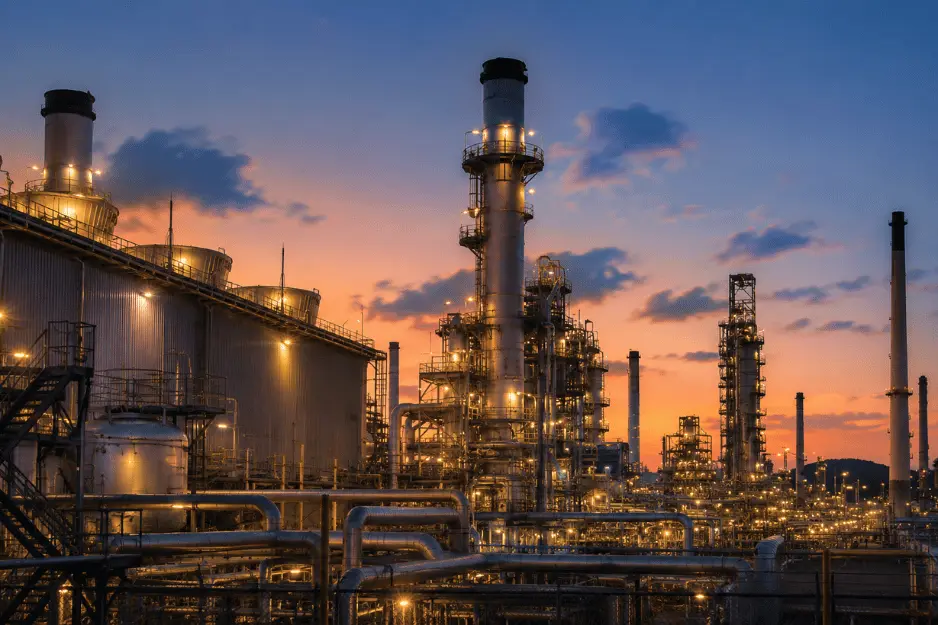
Qatar’s petrochemical sector continues to play a central role in the country’s industrial development. The Qatar National Manufacturing Strategy 2024–2030 identifies chemicals and petrochemicals as a priority industrial sector, reflecting the importance of high-value manufacturing, industrial diversification, and long-term competitiveness.
For asset-intensive petrochemical facilities, growth brings higher expectations around maintenance readiness, inspection planning, and asset performance. Production assets must operate reliably across demanding process environments where equipment degradation, corrosion, pressure systems, rotating machinery, and process safety risks require disciplined oversight.
As Qatar expands its industrial base, asset performance management becomes a strategic requirement rather than a purely technical function.
Inspection Planning Becomes More Critical
Petrochemical operations depend on equipment availability, process stability, and early detection of degradation. Risk-based inspection, non-destructive testing, corrosion monitoring, and mechanical integrity programmes help operators identify vulnerabilities before they affect production continuity.
In high-value industrial environments, inspection planning must be closely linked to operational priorities. Maintenance teams need accurate asset histories, condition data, inspection records, and failure analysis to decide when to repair, replace, monitor, or defer intervention.
This approach reduces unplanned downtime while strengthening long-term reliability across processing units, storage systems, pressure vessels, heat exchangers, and pipeline networks.
Maintenance Readiness Supports Industrial Competitiveness
As petrochemical activity grows, maintenance readiness becomes essential to sustaining productivity. Predictive maintenance technologies, spare parts planning, shutdown preparation, and contractor coordination all contribute to operational continuity.
For Qatar’s industrial sector, strong maintenance governance supports cost control, production efficiency, and lifecycle extension. Facilities that align inspection data with maintenance execution are better positioned to improve turnaround outcomes, reduce disruption, and protect infrastructure value.
Asset performance is therefore closely tied to national industrial competitiveness.