


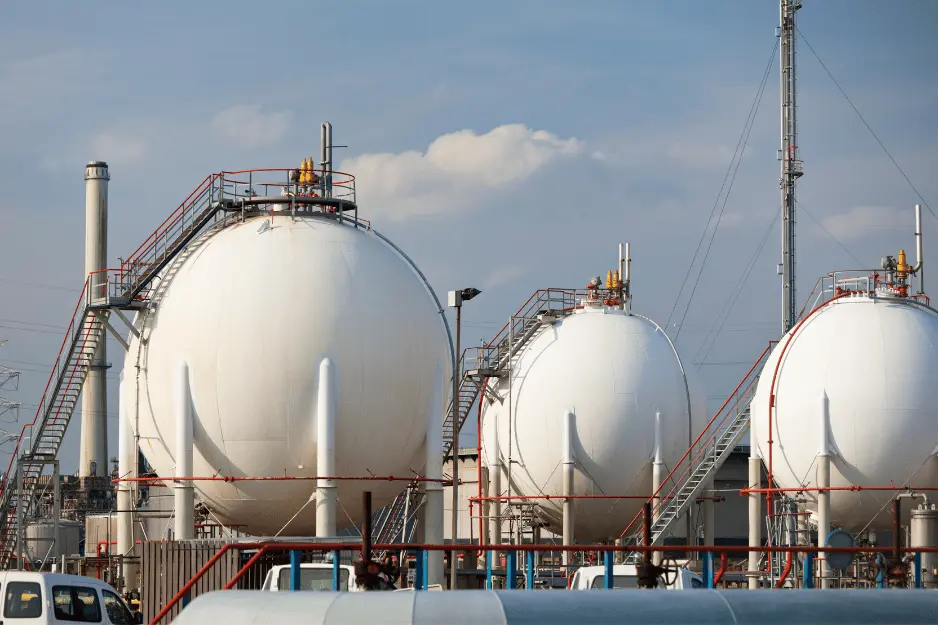
North Field West Raises LNG Infrastructure Priorities
Qatar’s decision to proceed with the North Field West project marks another major step in the country’s long-term LNG growth strategy. According to QatarEnergy, the project is expected to raise Qatar’s LNG production capacity to 142 million tonnes per annum before the end of 2030, representing an increase of almost 85% from current production levels.
The expansion also confirms the continued strategic importance of Ras Laffan as a center for LNG production and energy infrastructure development. As QatarEnergy moves forward with basic engineering works, the scale of future production growth places greater emphasis on infrastructure reliability, maintenance readiness, and lifecycle asset performance.
For LNG operations, capacity expansion must be matched by disciplined asset management.
Reliability Becomes Critical to Production Continuity
Large-scale LNG infrastructure depends on the reliability of interconnected systems, including gas processing facilities, compressors, heat exchangers, cryogenic equipment, pipelines, storage tanks, utilities, loading systems, and process safety infrastructure.
As production capacity increases, any asset failure or maintenance delay can have wider operational consequences. This makes predictive maintenance, inspection planning, corrosion management, and equipment criticality assessment essential to protecting production continuity.
The North Field West expansion reinforces the need for maintenance strategies that support high availability across complex LNG assets.
Maintenance Readiness Supports Project Success
Engineering progress alone is not enough to sustain long-term performance. LNG expansion projects require maintenance readiness from the earliest stages of project planning. Spare parts strategy, inspection schedules, reliability data, contractor planning, turnaround preparation, and digital asset records must be integrated before facilities enter full operation.
Strong maintenance readiness helps operators reduce unplanned downtime, improve safety, and extend asset life. It also supports smoother commissioning, faster stabilization, and stronger long-term operational performance.


