LNG Mega-Trains Raise the Bar for Project Readiness
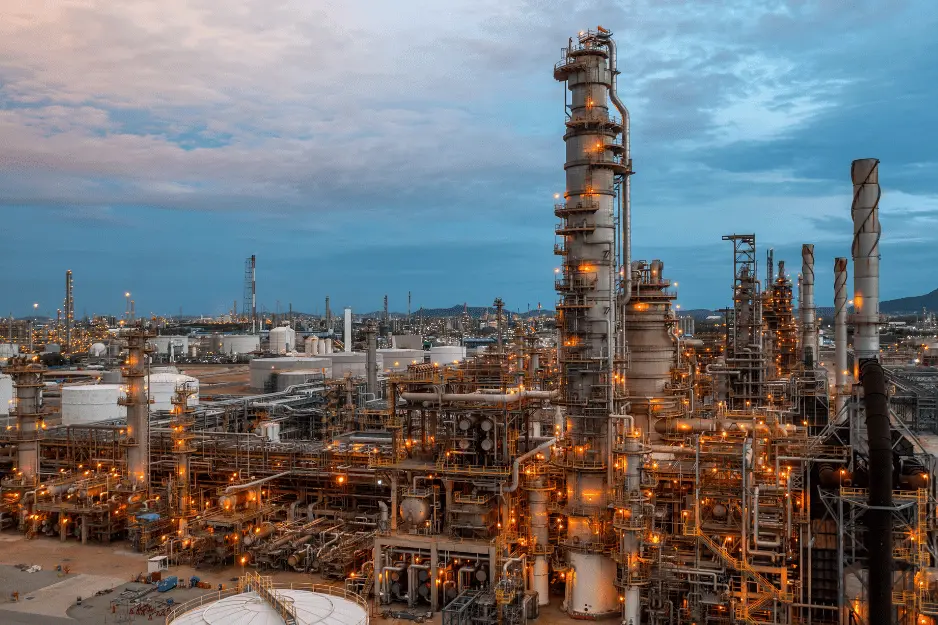
Qatar’s North Field West development represents a major milestone in the country’s LNG expansion programme. The EPC contract for the onshore LNG plant includes two LNG mega-trains with a combined production capacity of 16 MTPA, alongside gas treatment, natural gas liquids recovery, helium extraction, and associated facilities.
For large-scale LNG infrastructure, project readiness must extend beyond construction delivery. Asset integrity, inspection planning, commissioning readiness, maintenance strategy, and lifecycle performance must be considered early to support reliable operations once facilities move from project execution into production.
As Qatar advances LNG capacity growth, the ability to integrate engineering, inspection, and maintenance planning will become increasingly important.
Commissioning Readiness Supports Operational Stability
Commissioning is a critical transition point for LNG mega-train projects. Equipment handover, system testing, mechanical completion, pre-start-up checks, performance validation, and early-life reliability monitoring must be aligned across project, operations, maintenance, and integrity teams.
Strong commissioning readiness helps ensure that complex assets enter service with clear inspection records, maintenance plans, spare parts strategies, and reliability baselines. This reduces operational uncertainty and supports smoother start-up, stabilization, and long-term asset performance.
For LNG facilities, readiness at commissioning can shape reliability outcomes for years.
Asset Integrity Must Be Built into the Lifecycle
The North Field West project also includes environmental performance features such as CCS capacity, jetty boil-off gas recovery, and solar-linked power support. These systems add another layer of operational importance to asset integrity and maintenance planning.
LNG mega-trains depend on the reliability of compressors, heat exchangers, cryogenic systems, pressure equipment, pipelines, storage systems, flare and recovery systems, and utilities. Risk-based inspection, corrosion management, predictive maintenance, and digital asset records can help operators manage complex infrastructure across its full lifecycle.