Energy Transition Requires Reliable Infrastructure
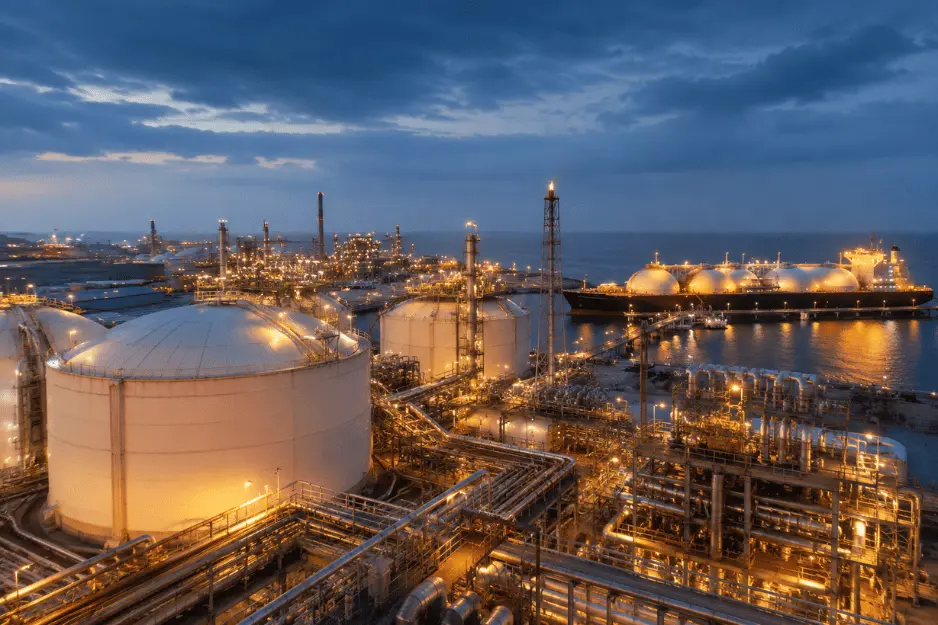
Qatar’s energy transition priorities are placing greater focus on how critical infrastructure is maintained, inspected, and operated over the long term. As the country continues strengthening its LNG leadership while investing in carbon capture, methane reduction, renewable energy, and blue ammonia, sustainable asset integrity is becoming a strategic requirement.
For asset-intensive energy operations, sustainability depends on more than new projects. It requires reliable pressure systems, pipelines, rotating equipment, storage facilities, utilities, and process infrastructure that can operate efficiently while supporting emissions reduction objectives.
This makes maintenance planning, inspection strategy, and asset performance increasingly important to Qatar’s evolving energy landscape.
CCS and Methane Reduction Add New Integrity Demands
Carbon capture and storage infrastructure introduces new reliability requirements across compression, injection, monitoring, pipeline, and process systems. These assets must be managed with disciplined inspection, corrosion control, mechanical integrity, and condition monitoring frameworks.
Methane reduction also depends heavily on asset integrity. Leak detection, valve reliability, flange management, equipment sealing, pipeline monitoring, and maintenance execution all contribute to reducing fugitive emissions across the gas value chain.
As sustainability targets become more operational, asset integrity teams are increasingly central to environmental performance.
Sustainable Performance Depends on Maintenance Discipline
Energy transition infrastructure must remain safe, efficient, and available throughout its lifecycle. Predictive maintenance, risk-based inspection, digital monitoring, and structured turnaround planning help operators identify degradation early and reduce unplanned downtime.
For LNG, CCS, ammonia, and renewable-linked industrial systems, maintenance is not only about reliability. It also supports emissions performance, production efficiency, safety, and lifecycle value.
Sustainable asset integrity therefore connects engineering discipline with long-term environmental and operational objectives.