Offshore Expansion Raises Integrity Priorities
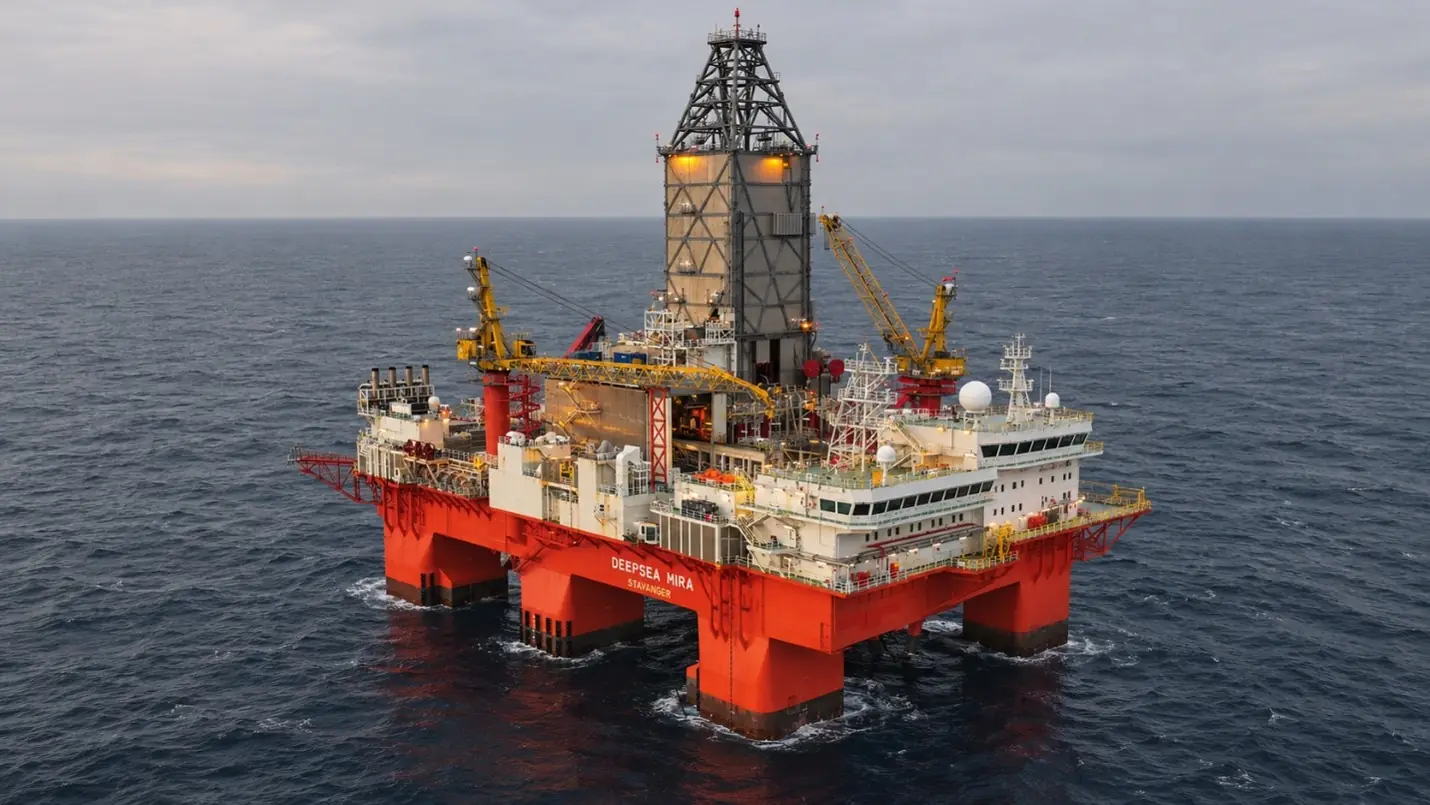
QatarEnergy’s award of major EPC contracts to increase production from the Al Shaheen Oil Field highlights the continued importance of offshore infrastructure reliability in Qatar’s energy sector. As one of Qatar’s key offshore oil assets, Al Shaheen plays an important role in supporting production capacity, operational continuity, and long-term energy performance.
For offshore developments, production growth is best supported by strong asset integrity and maintenance readiness. Platforms, subsea systems, pipelines, process equipment, utilities, rotating machinery, and structural assets must be managed through disciplined inspection, maintenance, and reliability planning.
As EPC activity expands, asset integrity becomes a critical enabler of safe, efficient, and sustainable offshore operations.
Maintenance Readiness Supports Offshore Performance
Offshore oilfield expansion requires careful planning across engineering, construction, commissioning, and operations. Maintenance readiness must be considered early to ensure that assets can be inspected, monitored, repaired, and optimized throughout their lifecycle.
Spare parts planning, contractor capability, inspection schedules, digital asset records, corrosion control, and equipment criticality assessments all support stronger operational performance. When these elements are built into project execution, operators are better positioned to reduce avoidable downtime and support long-term production continuity.
For offshore assets, maintenance planning is not only an operational requirement. It is a strategic component of infrastructure resilience.
Inspection and Corrosion Management Remain Central
Offshore environments create demanding conditions for asset integrity teams. Saltwater exposure, humidity, fatigue, vibration, coating degradation, and corrosion risks require structured inspection programmes and reliable condition data.
Risk-based inspection, non-destructive testing, corrosion monitoring, coating management, and predictive maintenance help operators identify degradation early and plan interventions more effectively. These approaches support safer operations, stronger availability, and improved lifecycle performance across complex offshore infrastructure.