LNG Growth Requires Long-Term Reliability Planning
Qatar’s roadmap to raise LNG production capacity to 142 MTPA before the end of 2030 represents a major step in the country’s long-term energy growth strategy. The expansion builds on North Field East, North Field South, and North Field West, reinforcing Qatar’s position as a global LNG leader while expanding the scale and complexity of its energy infrastructure.
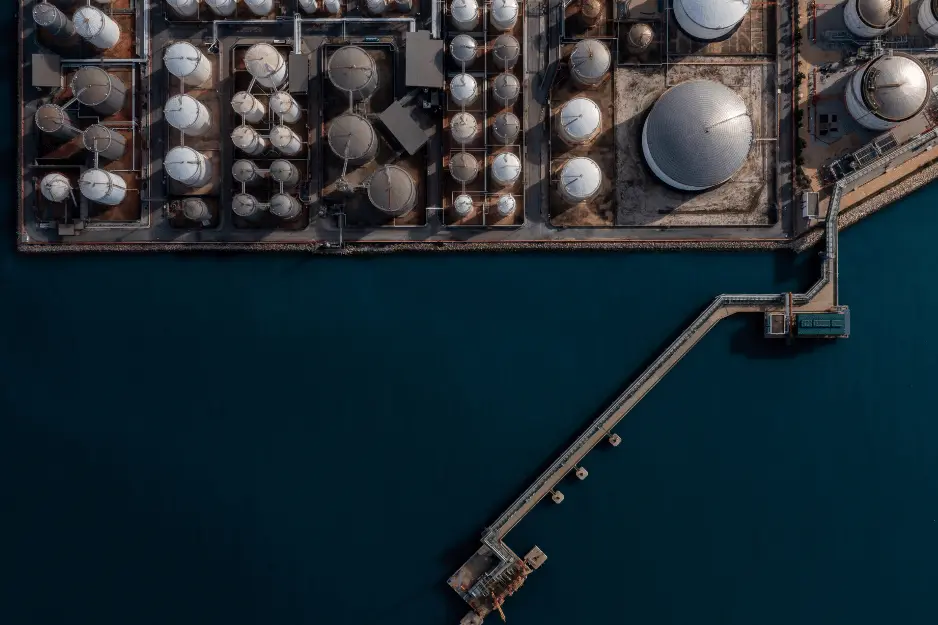
For large-scale LNG operations, production growth is best supported by long-term asset integrity and reliability planning. LNG trains, gas processing systems, compressors, heat exchangers, pipelines, cryogenic equipment, storage tanks, utilities, and export infrastructure must be maintained with strong lifecycle discipline.
As capacity expands, reliability planning becomes a central enabler of operational continuity and infrastructure performance.
Asset Integrity Supports Production Continuity
Long-term LNG infrastructure performance depends on the ability to detect, monitor, and manage asset condition across the full operating lifecycle. Risk-based inspection, corrosion management, non-destructive testing, predictive maintenance, and condition monitoring help operators make better decisions on maintenance timing and asset interventions.
For LNG facilities, asset integrity is not only about technical compliance. It supports availability, energy efficiency, production stability, and long-term value creation. Strong integrity programmes allow operators to align inspection data, maintenance history, equipment criticality, and reliability analytics into a structured performance strategy.
This becomes increasingly important as Qatar’s LNG infrastructure continues to scale.
Maintenance Optimization Becomes a Strategic Priority
A long-term LNG roadmap requires maintenance strategies that are planned, data-driven, and aligned with future production requirements. Turnaround planning, spare parts readiness, contractor capability, digital asset records, and reliability-centered maintenance all play an important role in sustaining high asset availability.
Maintenance optimization also supports safer execution, better cost control, and improved lifecycle performance. As new LNG assets are developed and existing infrastructure continues operating, integrated maintenance planning will help strengthen long-term operational resilience.