CCS Expansion Brings New Reliability Priorities
QatarEnergy’s EPC award for a major carbon capture and sequestration project marks an important step in advancing lower-carbon LNG infrastructure in Qatar. The project will serve existing LNG production facilities in Ras Laffan Industrial City and is designed to capture and sequester up to 4.1 million tons of CO₂ per year.
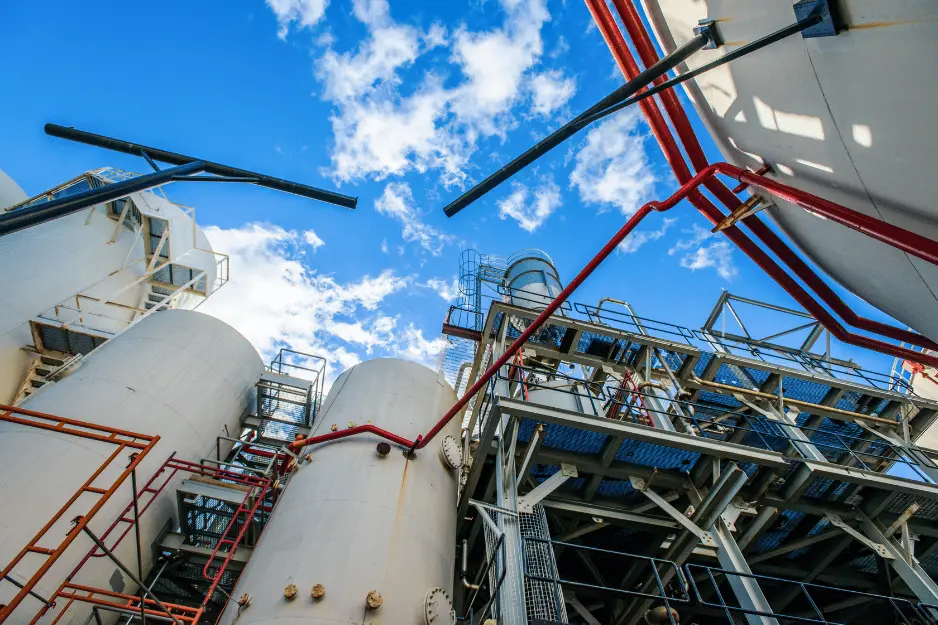
For large-scale CCS infrastructure, successful execution depends not only on project delivery but also on long-term reliability. Capture units, compression systems, pipelines, sequestration facilities, monitoring systems, utilities, and supporting process infrastructure must be maintained with strong asset integrity discipline from the earliest stages of development.
As CCS becomes increasingly integrated with LNG operations, infrastructure reliability and maintenance readiness become central to long-term performance.
Maintenance Readiness Supports CCS Performance
Carbon capture infrastructure introduces complex operating requirements across mechanical, process, and monitoring systems. These assets must remain available, efficient, and safe throughout the lifecycle to support emissions reduction objectives.
Maintenance readiness plays a key role in this process. Spare parts planning, inspection schedules, corrosion monitoring, commissioning records, digital asset data, and contractor capability must be aligned before facilities move into full operation.
By integrating reliability planning early, operators can support smoother start-up, reduce avoidable downtime, and strengthen long-term asset performance.
Asset Integrity Connects LNG and Lower-Carbon Operations
CCS infrastructure is closely connected to the reliability of LNG production assets. Any emissions-control system requires dependable equipment performance, strong inspection governance, and structured lifecycle management.
Risk-based inspection, non-destructive testing, corrosion management, predictive maintenance, and digital monitoring can help operators manage CCS infrastructure with greater confidence. These practices also support safer operations, better availability, and stronger alignment between production performance and sustainability objectives.
For Qatar’s LNG sector, asset integrity is becoming an important bridge between operational excellence and lower-carbon infrastructure development.