


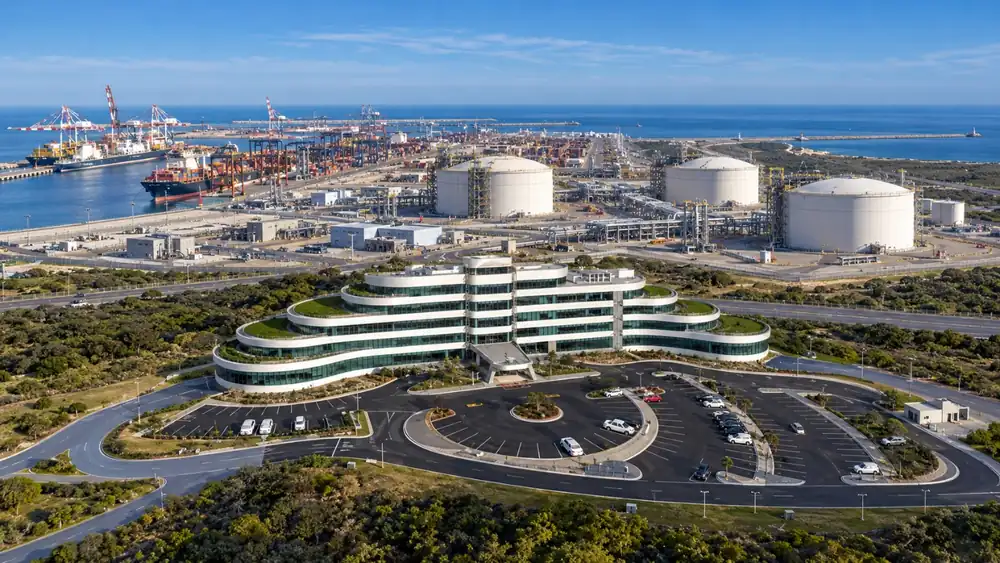
Ngqura Moves Into a New Energy Infrastructure Phase
Transnet National Ports Authority has signed a 25-year Terminal Operator Agreement with Ukwanda LNG for the development and operation of a major LNG facility at the deepwater Port of Ngqura.
Valued at approximately R22 billion, the project includes a dedicated LNG berth valued at R2 billion, a temporary floating unit and permanent onshore regasification infrastructure designed to supply gas to industry, data centres and independent power producers.
Full operationalisation is targeted for 2035, placing long-term infrastructure performance at the centre of the development.
LNG Handling Raises the Terminal Safety Standard
LNG infrastructure introduces highly specialised operating requirements. Cryogenic temperatures, transfer operations, loading systems, gas handling, emergency shutdown systems and berth interfaces must all operate within tightly controlled safety parameters.
For terminal operators, reliability therefore depends on more than commissioning new infrastructure. Inspection, preventive maintenance, leak detection, corrosion control and emergency-response planning must remain effective throughout the concession period.
The 25-year agreement makes lifecycle planning especially important. Integrity strategies established during design and commissioning will influence how safely and efficiently the terminal performs as equipment ages and operating demands evolve.
Long-Term Reliability Starts Before Operations Begin
TNPA’s development model combines berth construction with permanent onshore infrastructure, creating multiple interfaces between marine, process and gas-transfer systems.
These interfaces require coordinated inspection and maintenance strategies from the outset. Risk-based inspection, advanced NDT, digital condition monitoring and structured maintenance planning can help operators identify degradation early and prioritise intervention before reliability is affected.
For a facility expected to support long-term energy supply, terminal integrity becomes part of wider operational resilience.


