Production Ambition Moves Into the Execution Phase
Nigeria could increase its oil production by approximately 100,000 barrels per day over the coming months as the Nigerian National Petroleum Company Limited shifts its attention from portfolio assessment to project execution.
According to a Reuters report from CERAWeek 2026, NNPC Group Chief Executive Officer Bashir Bayo Ojulari said Nigeria was building additional production capacity and aiming for an average output of approximately 1.8 million barrels per day in 2026.
The production ambition is significant, but the more important message concerns delivery. NNPC completed a full review of its portfolio and is implementing changes intended to improve project execution, including stronger control over schedules and budgets.
Portfolio Optimisation Must Reach the Asset Level
A corporate portfolio review creates value only when its decisions improve field-level performance. Operators must identify which wells, facilities and development projects can deliver the fastest and most sustainable production gains.
This may require prioritising brownfield interventions, infill drilling, well restoration, debottlenecking, infrastructure rehabilitation and short-cycle offshore developments. Capital must be directed toward opportunities where subsurface potential, facility capacity and execution readiness are aligned.
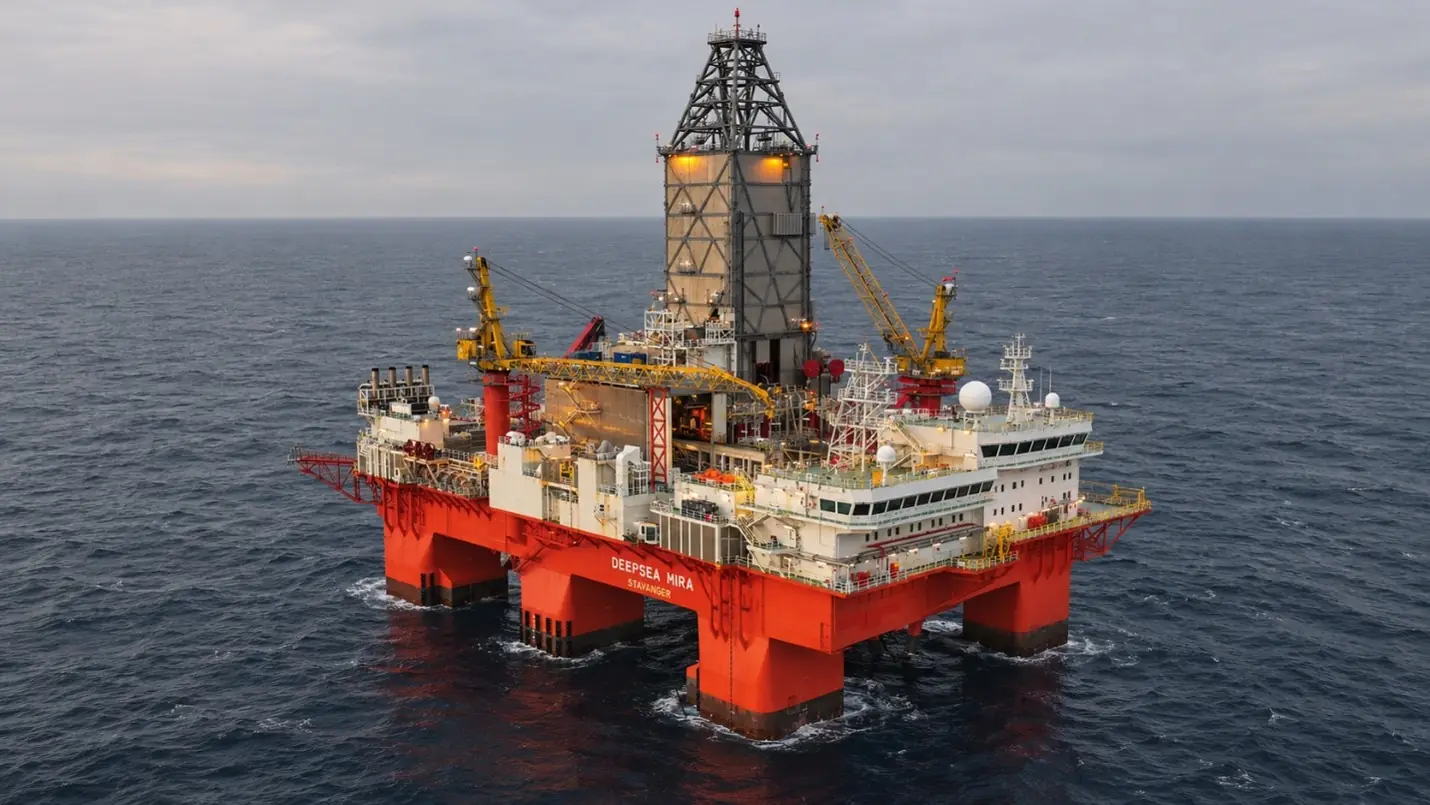
NNPC’s official CERAWeek statement also highlighted deepwater investment, infrastructure development, partnerships and resource monetisation. These priorities show that higher output will depend on more than resource availability. Projects must be commercially viable, technically prepared and supported by capable partners.
Additional Capacity Depends on System Reliability
Delivering an additional 100,000 bpd requires the entire production system to perform consistently. New or restored well capacity can be lost if flowlines, pipelines, processing facilities, export terminals or maintenance systems become constraints.
Production teams therefore need real-time visibility across reservoir behaviour, well performance, equipment health and facility throughput. Integrated asset models can help identify where production is being restricted, while predictive maintenance can reduce failures that create unplanned deferment.
Execution must also include disciplined shutdown planning, contractor coordination, spare-parts readiness and faster technical decision-making. Delivering projects on time is important, but sustaining the resulting barrels is the real measure of asset performance.