Infrastructure Planned Across Storage and Transfer Operations
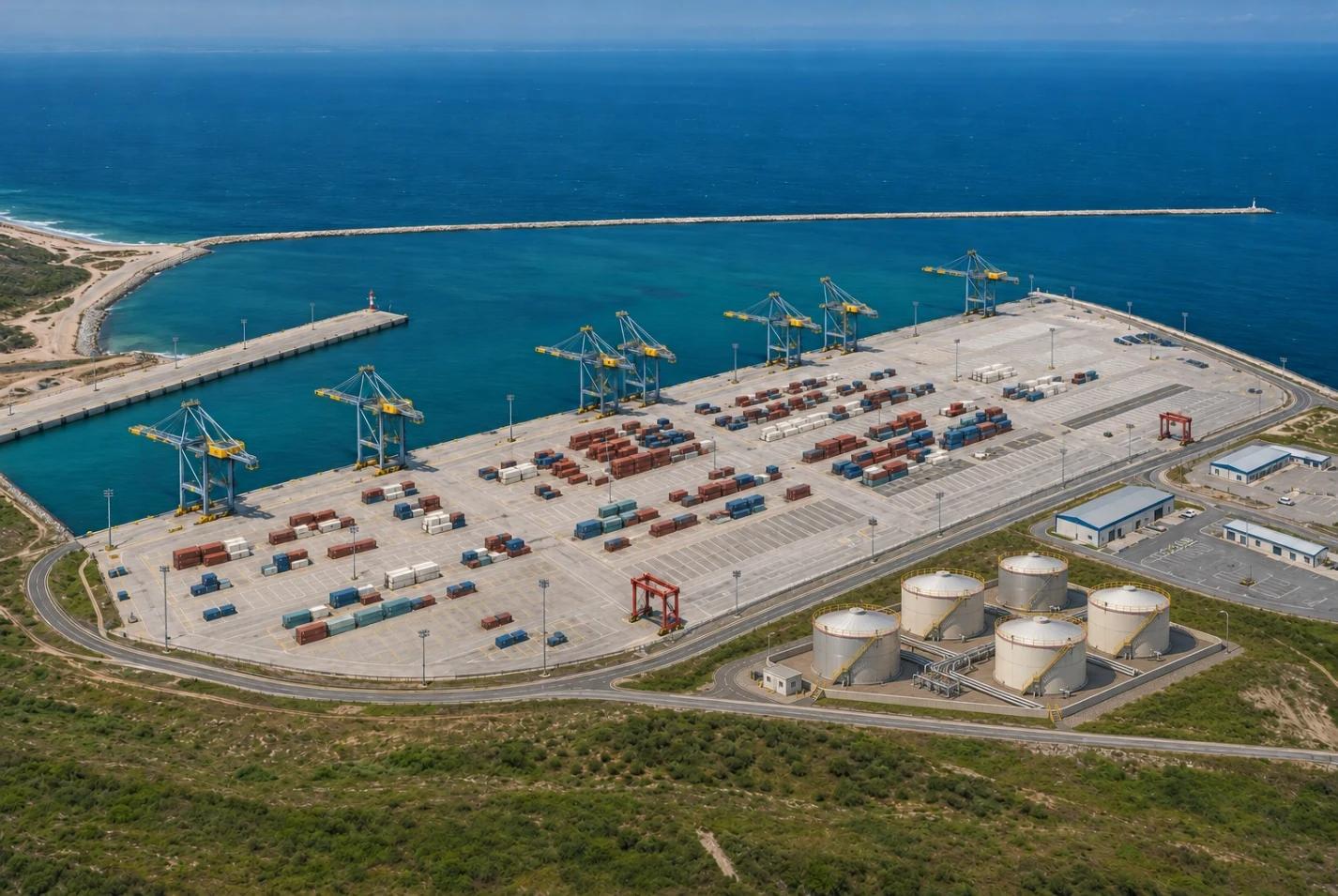
Plans for a liquid-bulk terminal at the Port of Ngqura bring storage tanks, pipelines and road tanker loading gantries into one development scope.
According to a SAnews report published on 27 June 2025, TNPA issued a request for proposals for an operator to fund, develop, operate and maintain the facility under a 25-year concession, with eventual transfer. The project supports the relocation of Port Elizabeth’s tank farm.
The infrastructure mix provides a useful operational perspective: terminal planning must consider how products move between storage and dispatch, alongside the requirements of individual assets.
Connecting Tanks, Pipelines and Loading Facilities
Storage capacity is one part of a terminal’s operating capability. Pipelines connect different stages of product movement, while loading gantries provide the interface with road tankers.
From an engineering planning perspective, these connections warrant attention alongside the tanks themselves. Teams evaluating a proposed facility can consider how equipment availability, maintenance access and operating schedules interact across the storage and transfer system.
For example, taking a connecting asset out of service could affect the use of equipment elsewhere in the terminal. Considering those dependencies during planning can help operators assess maintenance options and potential interruptions before operations begin.
These are general operational considerations, rather than disclosed design specifications for Ngqura.
Landside Location and Operator Responsibilities
The announced development scope places landside operations within Ngqura’s Liquid Bulk Precinct, on back-of-port land adjacent to the N2. TNPA also stated that the operator would need to meet relevant environmental, safety and regulatory requirements.
For prospective terminal teams, the combination of storage and road loading raises practical planning questions around vehicle movements, access for maintenance and coordination between operating areas. Reviewing these interfaces together can support a more complete understanding of the facility’s operating requirements.
The report does not specify tank capacities, pipeline dimensions, loading rates or a commissioning date. It describes the tender-stage scope, rather than confirming construction progress.