Proposed Development Establishes the Offshore Context
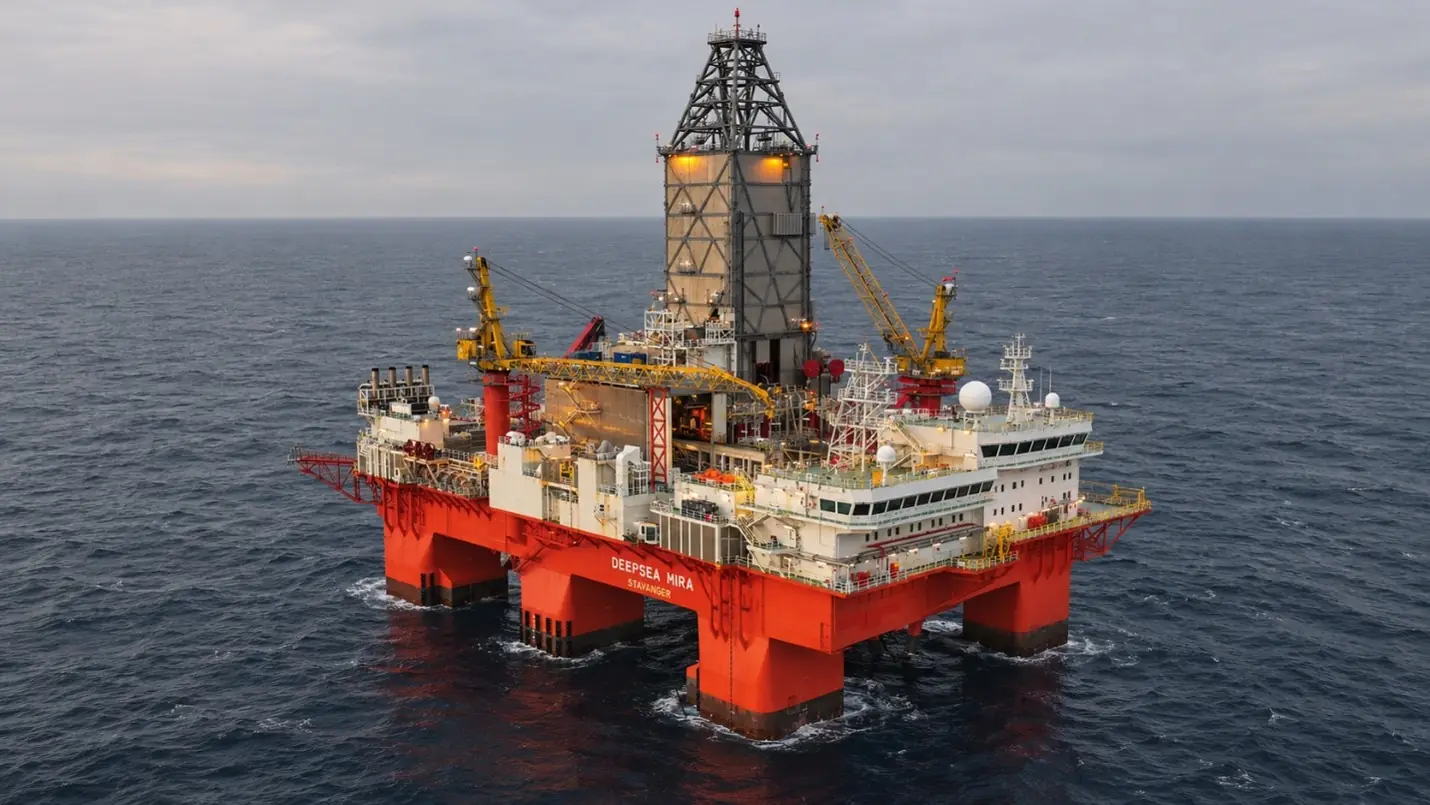
Namibia’s proposed Venus development brings offshore infrastructure and long-term operational readiness into focus. Located approximately 320 kilometres south-west of Lüderitz, in water depths around 3,000 metres, the project envisages up to 40 subsea wells, seabed equipment and a floating production, storage and offloading vessel.
The Venus environmental assessment published by SLR Consulting describes the development proposed by TotalEnergies EP Namibia and its joint venture partners. The source page records submission of the final assessment for government consideration; it does not establish that environmental clearance has been granted.
Preventive Maintenance Supports Equipment Reliability
The project’s Environmental and Social Management Plan provides for preventive maintenance aboard drilling units, the FPSO and other project vessels.
Its provisions cover leak detection and maintenance of valves, flanges, fittings, seals, hydraulic systems and hoses. They also address engines, generators and waste-treatment equipment, with regular procedures intended to reduce mechanical failures, equipment inefficiency and accidental releases. These are planned measures rather than evidence of completed implementation.
Pipeline Protection Connects Design with Operational Readiness
The management plan identifies pipeline protection measures, including appropriate wall thickness, corrosion allowance and welding quality. Emergency response and spill contingency planning also form part of the proposed approach to offshore risk management.
For the wider engineering community, these provisions raise practical questions about inspection responsibilities, maintenance scheduling and the records needed to demonstrate equipment condition. They illustrate why readiness planning should connect infrastructure design with the people, procedures and resources required throughout an asset’s operating life.