Industrial AI Needs Engineering Context
Industrial AI is becoming a powerful tool for energy and industrial operators seeking to improve efficiency, reliability, and maintenance decision-making. It can analyze large volumes of operational data, identify anomalies, and support faster interpretation of complex asset information.
However, for high-value industrial assets, data analysis alone is not enough. Operators also need structural intelligence: a clear understanding of how equipment, steel structures, pressure systems, foundations, pipelines, and critical components behave under real operating conditions.
This is where physics-based models and digital twins become essential. They provide the engineering context needed to turn AI outputs into reliable integrity decisions.
Structural Intelligence Strengthens Integrity Decisions
Asset integrity management has traditionally relied on inspection records, risk-based inspection, maintenance history, and engineering assessments. These remain important, but industrial assets are now operating in more complex conditions, with higher performance expectations and longer lifecycle demands.
Structural intelligence helps operators understand stress, fatigue, degradation, vibration, and load response across critical infrastructure. When combined with AI, it can improve how teams identify risk patterns, prioritize inspections, and plan maintenance interventions.
This supports a shift from reactive integrity management to predictive, reliability-led decision-making.
Digital Twins Connect Operations and Reliability
Digital twins play an important role in connecting operational data with structural behavior. While some digital twins focus on visualization or process optimization, structural twins help answer a more specific question: how is the asset physically responding during operation?
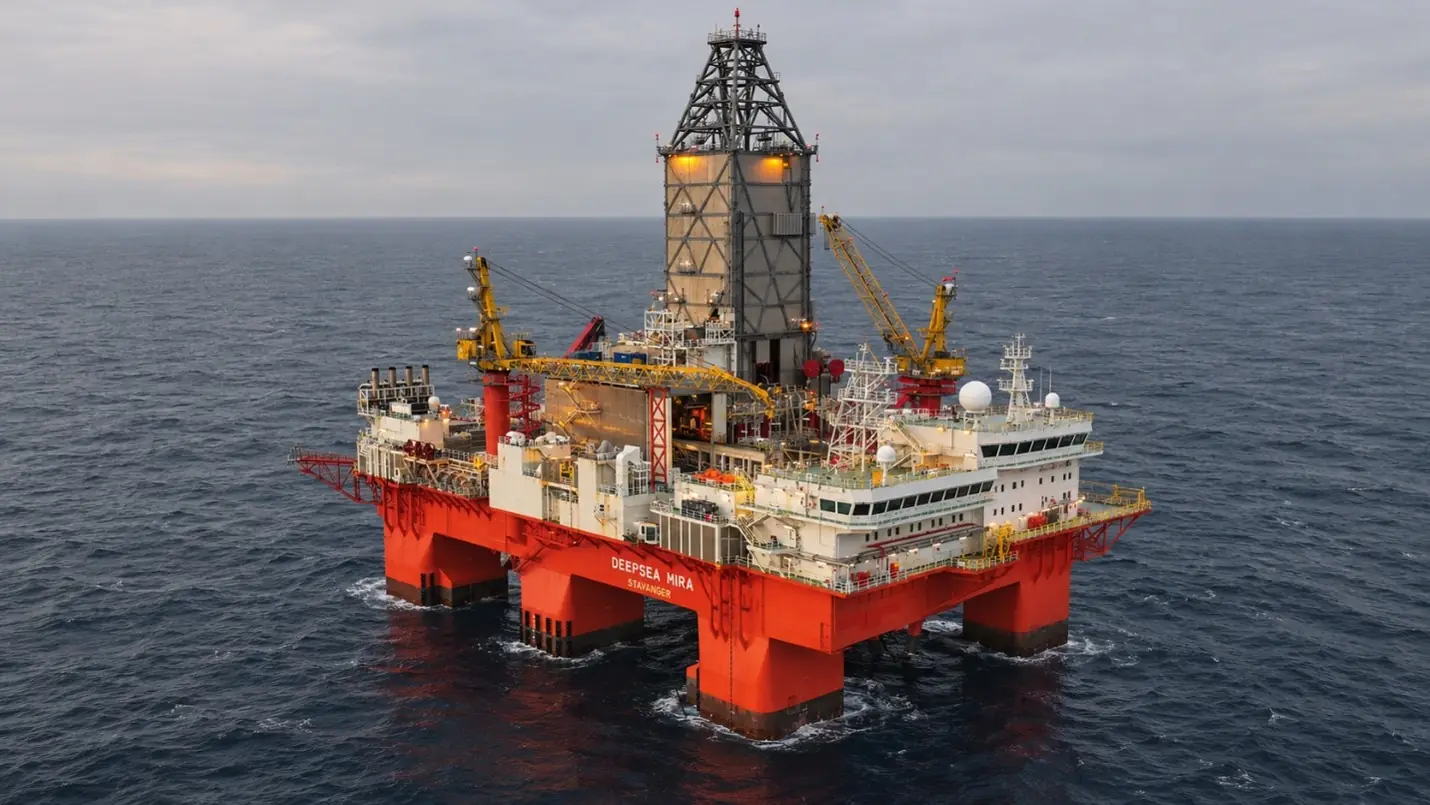
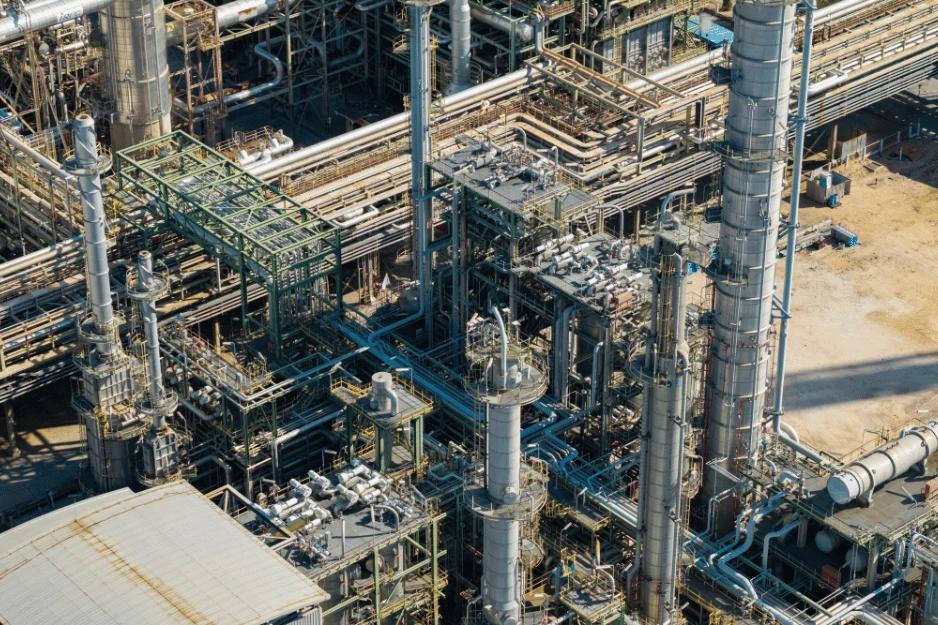
For LNG facilities, offshore platforms, petrochemical plants, refineries, pipelines, and heavy industrial infrastructure, this visibility can support better decisions on asset life extension, inspection timing, production flexibility, and turnaround planning.
As industrial AI becomes more advanced, structural intelligence will help ensure that digital decisions remain grounded in engineering reality.