Flange Integrity Is Critical to Turnaround Performance
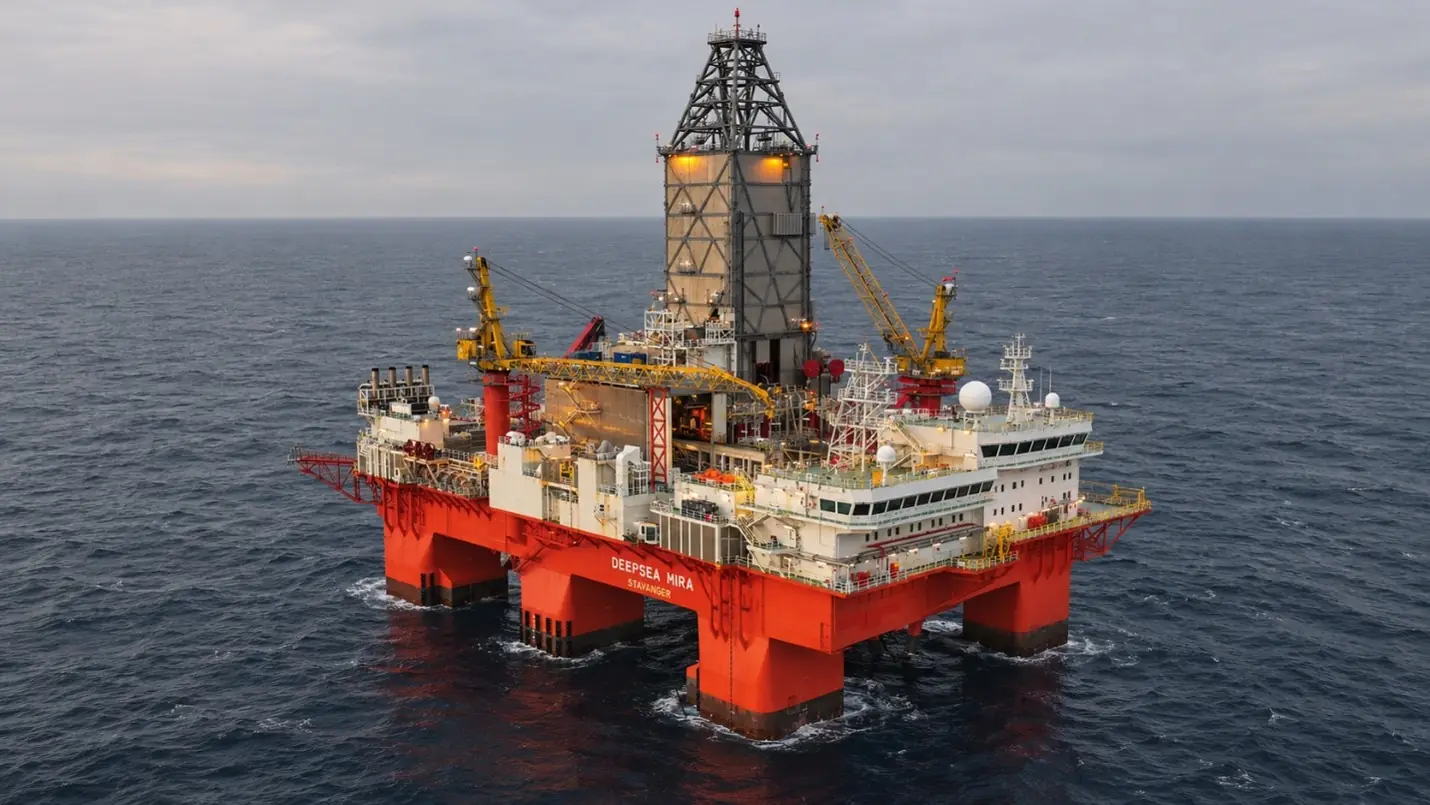
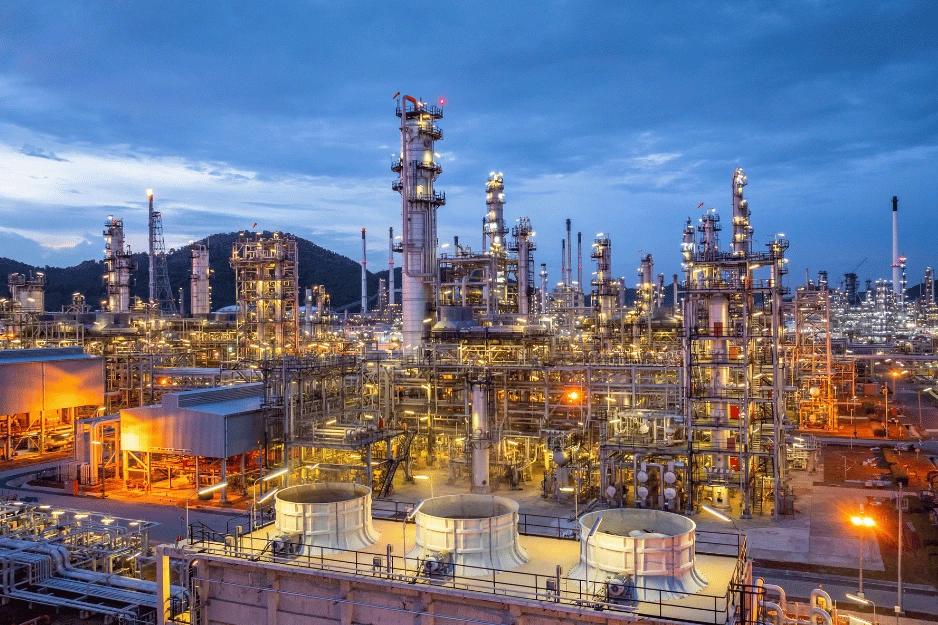
Flanges are among the most common and critical connection points across refineries, petrochemical plants, LNG facilities, offshore platforms, pipelines, pressure vessels, and industrial utilities. Although they may appear as small components within large facilities, their reliability has a direct impact on containment, maintenance execution, operational continuity, and turnaround performance.
During shutdowns and turnarounds, thousands of flange connections may require inspection, verification, analysis, repair, replacement, or reassembly. When flange integrity data is fragmented or analysis is slow, maintenance teams can face delays in decision-making and execution planning.
This is why flange integrity is becoming a more strategic part of site-wide asset reliability.
Digital Flange Analysis Supports Faster Decisions
Traditional flange analysis can be time-consuming, especially across large asset bases with extensive piping systems and pressure equipment. Digital flange integrity tools can help maintenance, inspection, and integrity teams move faster by improving visibility, standardizing analysis, and supporting data-driven decisions.
When flange assessment is connected to structural performance management, operators can better understand where attention is required, which assets should be prioritized, and how flange-related work should be integrated into turnaround scope.
This supports faster planning, improved maintenance coordination, and stronger execution confidence during high-pressure shutdown windows.
Site-Wide Reliability Depends on Connected Integrity Data
Flange integrity should not be treated as an isolated maintenance task. It is part of a wider reliability ecosystem that includes piping integrity, corrosion management, pressure systems, mechanical joints, inspection planning, and turnaround readiness.
By connecting flange data with site-wide asset intelligence, operators can improve how they manage risk, optimize maintenance timing, and reduce uncertainty during turnaround execution.
For refineries, LNG plants, offshore platforms, and petrochemical facilities, this approach supports stronger asset availability and lifecycle performance.