Resilience Depends on Asset Visibility
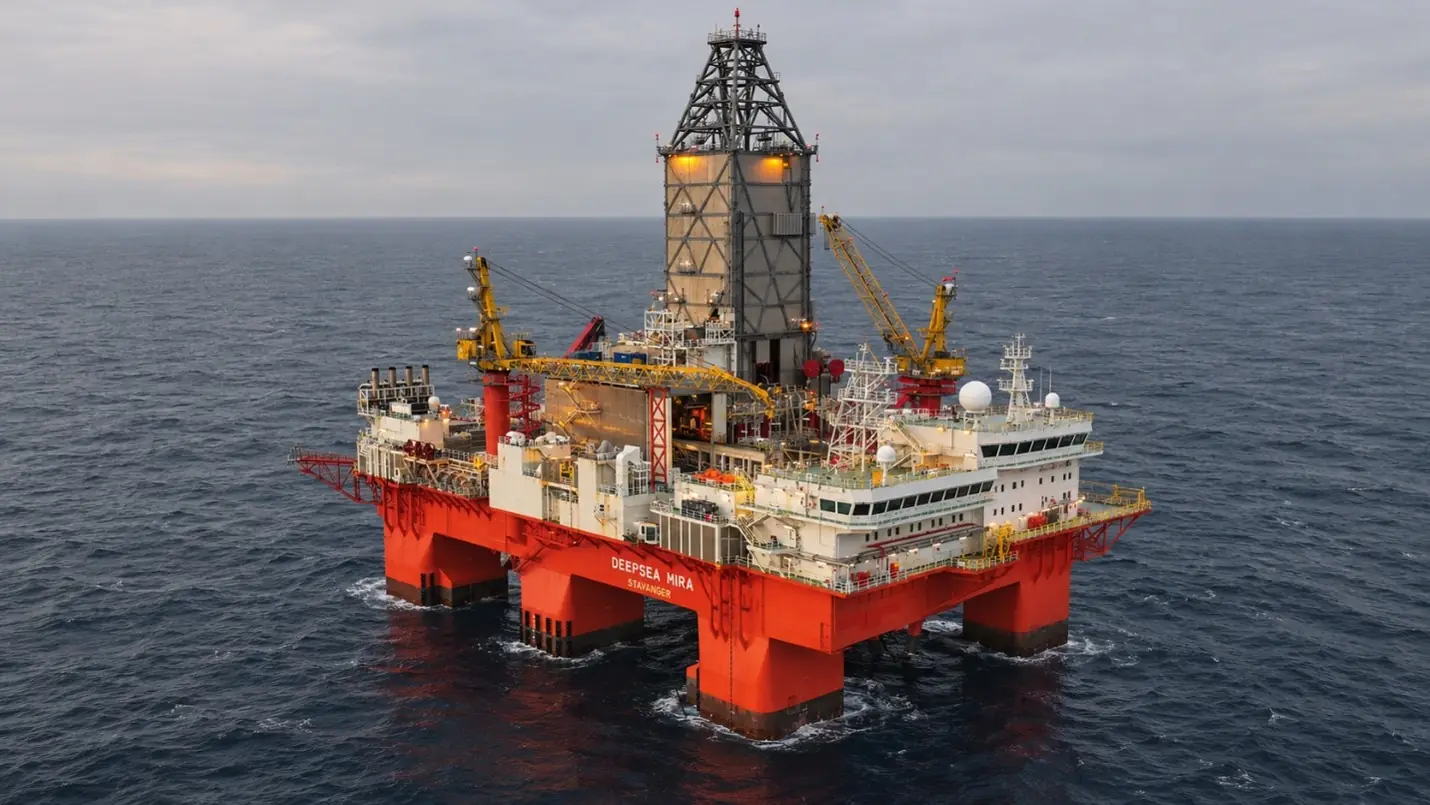
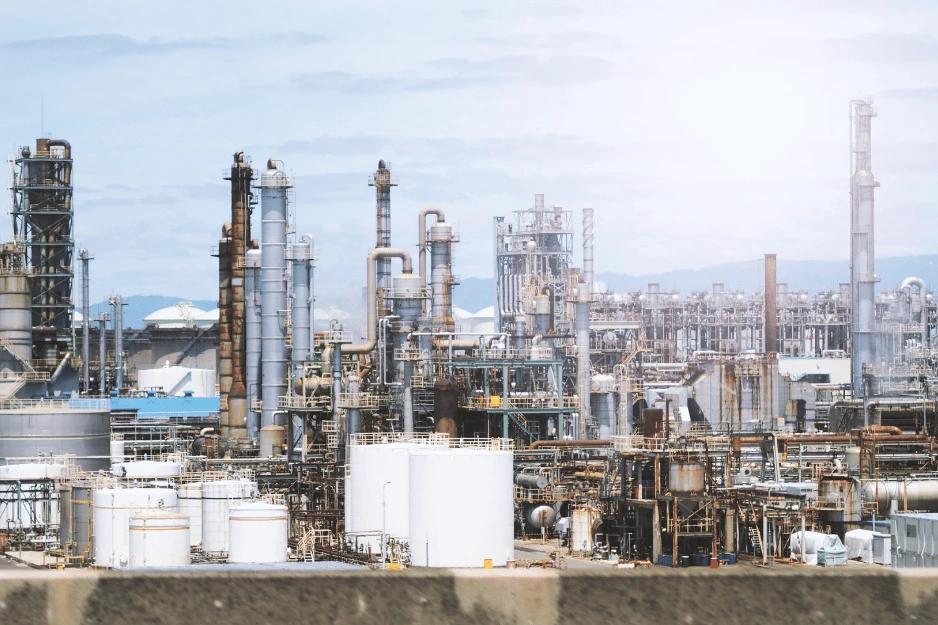
Energy infrastructure resilience is becoming a strategic priority for operators managing LNG facilities, offshore platforms, refineries, petrochemical plants, pipelines, and industrial utilities. As operating environments become more complex, reliability planning is no longer only about preventing equipment failure. It is about protecting production continuity, improving operational confidence, and extending the value of existing infrastructure.
AI-driven asset integrity is gaining attention because operators need deeper visibility into how critical assets perform under real operating conditions. Traditional inspection and maintenance programmes remain essential, but they are increasingly being strengthened by digital tools that help identify risk patterns, support faster decisions, and improve lifecycle planning.
AI Moves from Hype to Practical Integrity Decisions
The role of AI in asset integrity is shifting from broad digital ambition to practical use cases. Operators are looking for technologies that improve decisions around inspection timing, maintenance prioritization, turnaround scope, asset life extension, and production flexibility.
For asset-heavy industries, AI becomes most valuable when it is connected to engineering context. Data alone does not create reliability. It must be interpreted alongside asset condition, degradation mechanisms, operating history, criticality, and risk exposure.
This is where AI-driven reliability planning can help teams move from reactive maintenance to more predictive and performance-led asset management.
Existing Assets Become Strategic Value Drivers
Across energy and industrial sectors, existing assets are carrying more strategic importance. New infrastructure can be costly and time-intensive, while operators must continue meeting production, safety, and efficiency expectations from assets already in service.
Better integrity intelligence can help operators distinguish between assumed limits and real limits. It can also support more informed decisions on whether to inspect, repair, defer, optimize, or extend asset life.
For facilities managing corrosion, fatigue, vibration, aging equipment, and complex turnaround cycles, AI-enabled insight can strengthen both operational resilience and capital efficiency.