Production Does Not End at the Wellhead
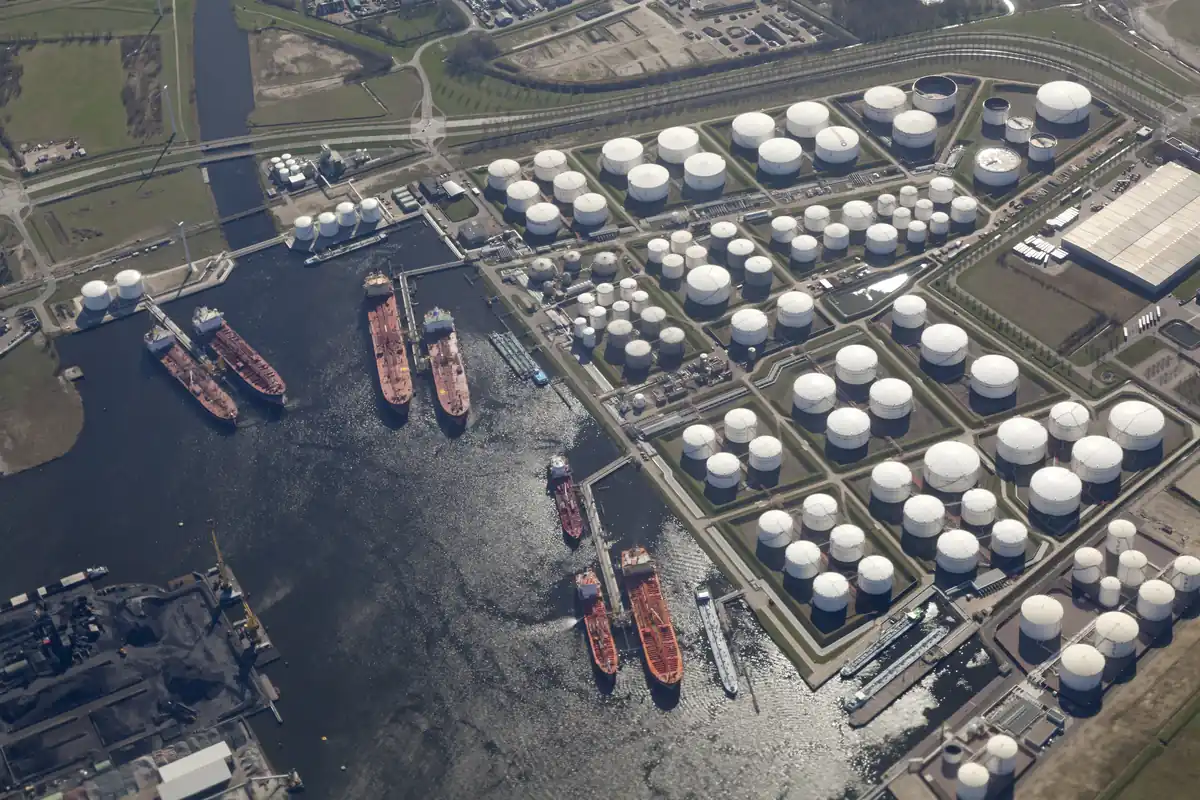
Nigeria’s upstream production performance depends on more than reservoir potential and well capacity. Every additional barrel must move reliably through gathering systems, pipelines, processing infrastructure and export terminals before it becomes commercially available production.
The Nigerian Upstream Petroleum Regulatory Commission reported that Nigeria’s combined crude oil and condensate production averaged 1.735 million barrels per day in June 2026. NUPRC linked the improvement to stable operations across producing assets, the absence of major pipeline outages and stronger crude evacuation efficiency.
This connection shows why evacuation infrastructure must be treated as part of the production system rather than as a downstream concern. Wells can perform as expected while national output remains constrained by restricted pipelines, unavailable terminals or inefficient coordination between assets and export routes.
Bonny and Forcados Record Higher Volumes
Bonny Terminal accounted for an average of 318.28 thousand barrels per day in June, rising from 293.88 thousand bpd in May. Forcados Terminal increased from 289.90 thousand bpd to 306.36 thousand bpd over the same period.
Together, the two streams recorded approximately 40.86 thousand bpd more than in May. The figures do not prove that terminal performance alone created the increase, but they demonstrate how evacuation routes can support higher production when assets and infrastructure remain available.
For operators, terminal and pipeline performance should therefore be monitored alongside well productivity, facility throughput and reservoir behaviour.
Evacuation Constraints Create Hidden Production Losses
When export infrastructure becomes unavailable, production may need to be reduced or temporarily shut in even when wells and processing facilities remain capable of operating. These deferred barrels can weaken asset economics and reduce the value created by drilling, workovers and production-enhancement projects.
Reducing this exposure requires stronger flow assurance, pipeline-integrity monitoring, leak detection, metering accuracy and maintenance planning. Operators also need shared visibility across fields, gathering networks and terminals so that restrictions can be identified before they become major production constraints.
Real-time operating data and integrated asset models can help teams understand where capacity is being lost and determine whether the restriction originates from the well, facility, pipeline or export system.