Introduction
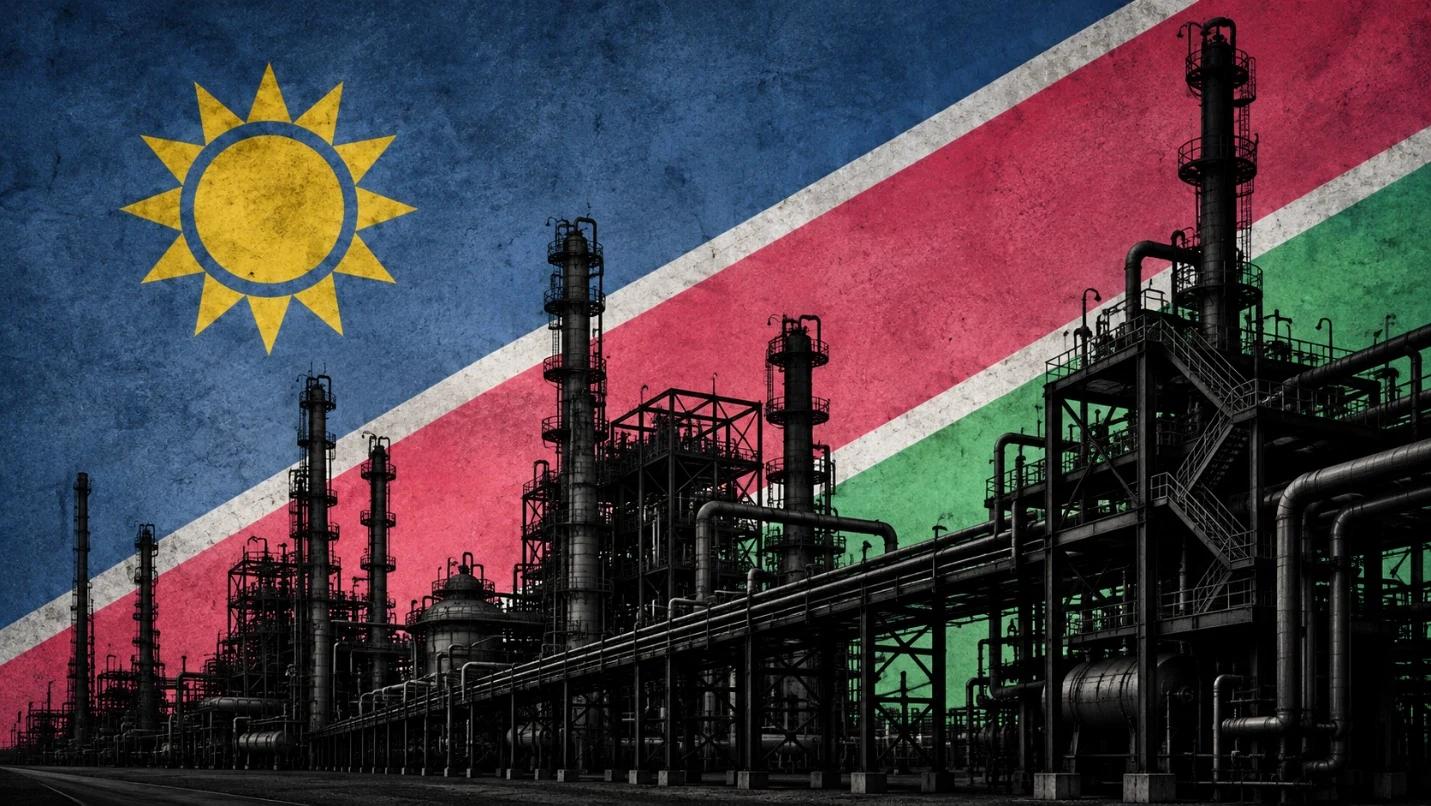
As of 03:38 PM +0530 on Monday, September 01, 2025, climate adaptation in oil & gas is a pressing concern, with FRP innovations oil gas emerging as a vital solution amid escalating oil gas challenges 2025. As extreme weather events—floods, heatwaves, and storms—threaten aging infrastructure oil gas, the industry seeks resilient materials to ensure operational continuity. The global climate adaptation market for energy is projected to grow from $9.2 billion in 2025 to $18.5 billion by 2030 at a 15.1% CAGR, driven by material innovations like FRP. This article explores how FRP enhances climate adaptation, integrating with asset integrity management oil gas, digital transformation oil gas, and carbon capture oil gas, with insights to be presented at the Saudi Asset Integrity & Corrosion Management Conference & Exhibition – CUI & FRP Innovations on October 1-2, 2025, in Yanbu, KSA.
Climate Risks Facing Oil & Gas Infrastructure
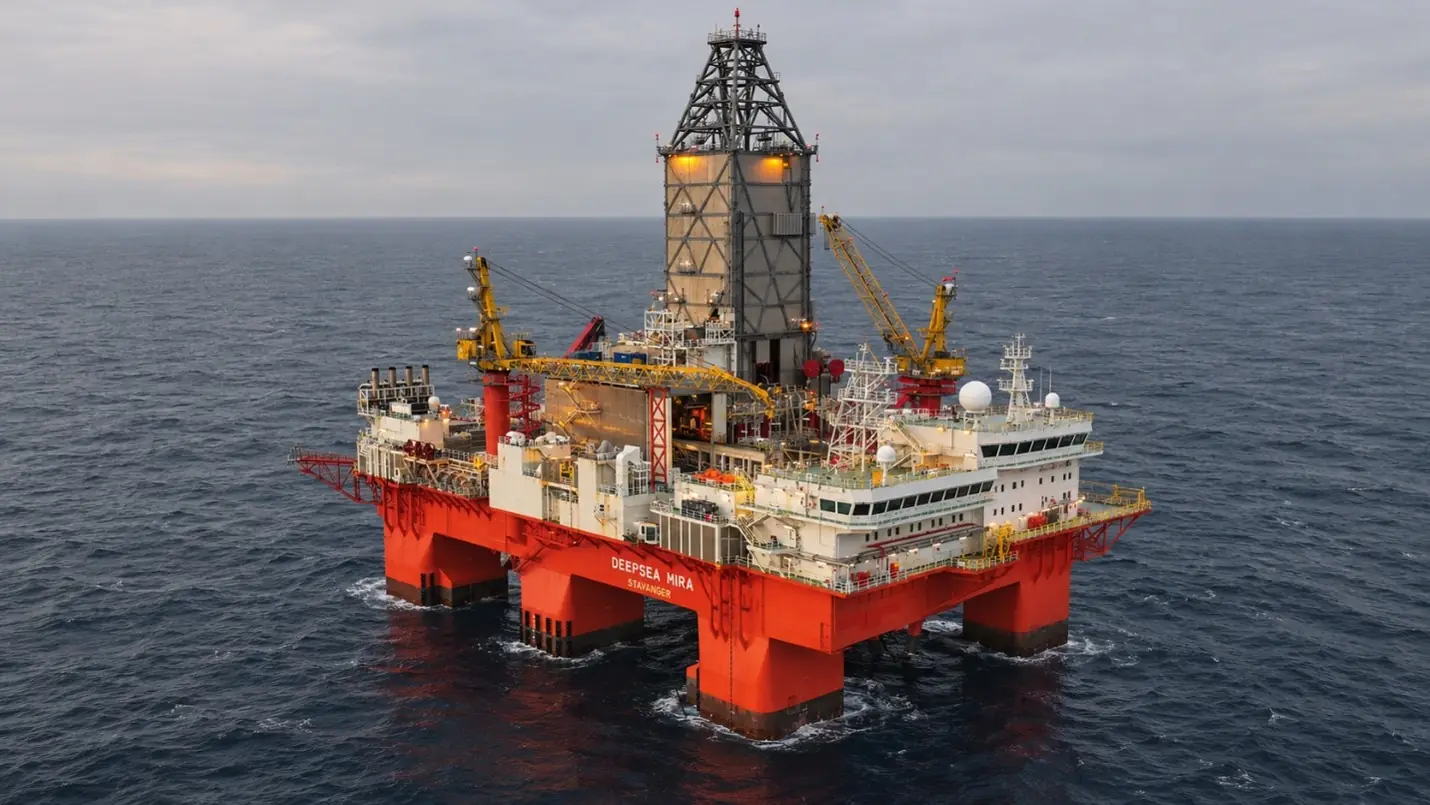
Extreme weather is intensifying, with 2025 recording a 20% increase in flood-related oil & gas disruptions globally. Aging infrastructure oil gas, particularly in asset integrity KSA, faces corrosion under insulation CUI exacerbated by humidity and temperature swings, costing $1.6 billion annually in damages. Offshore oil gas innovations endure storm surges, with 15% of platforms at risk from structural fatigue.
Challenges include rising insurance premiums and regulatory mandates for climate resilience, straining oil gas supply chain 2025 budgets. CUI monitoring oil gas is critical, but traditional materials falter. FRP pipes oil gas offers a durable alternative, reducing weather-related failures by 30%, making adaptation a strategic focus.
FRP's Contribution to Climate Adaptation
FRP innovations oil gas provides weather-resistant pipelines, withstanding 150 km/h winds and 50°C heat, extending lifespan by 40% compared to steel. Offshore oil gas innovations use FRP composites for platform reinforcements, cutting maintenance costs by 25%. Digital transformation oil gas integrates IoT sensors in FRP to monitor climate stress, enhancing asset integrity management oil gas.
Predictive maintenance oil gas employs AI to forecast weather impacts, reducing downtime by 20%. Carbon capture oil gas benefits from FRP's lightweight design for CO2 transport, supporting net-zero goals. In asset integrity KSA, FRP adapts to desert floods, ensuring operational continuity.
Ready to explore these innovations in action? Click here to learn more and secure your spot at the upcoming conference.