Terminal Appointment Establishes a Long-Term Operating Horizon
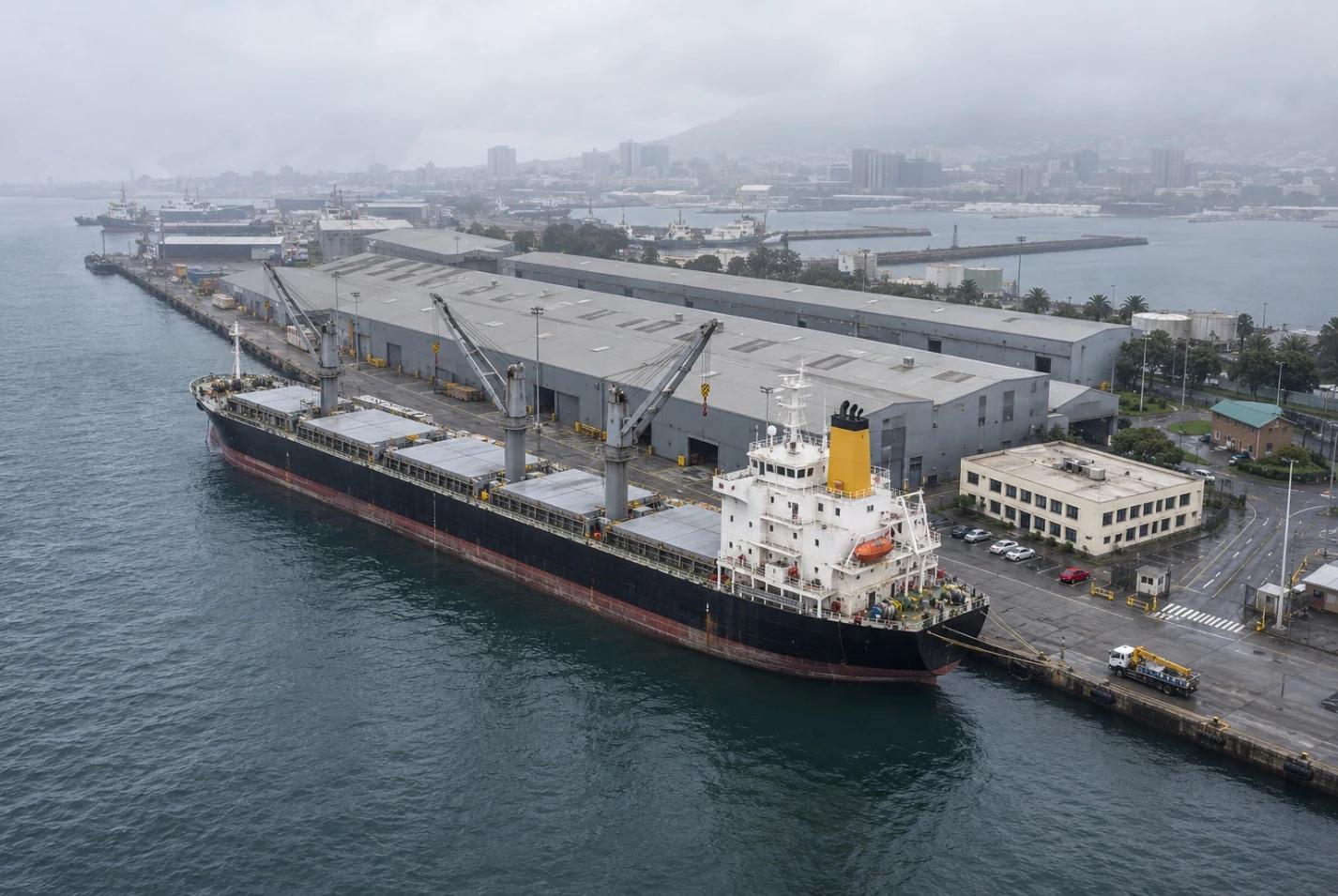
A planned liquid-bulk terminal refurbishment at the Port of Cape Town brings a longer-term question into focus: how will the infrastructure be maintained throughout its operating life?
According to the SAnews announcement, Transnet National Ports Authority selected FFS Tank Terminals as the preferred bidder to refurbish and operate the facility under a 25-year concession.
The arrangement covers financing, construction, operation and maintenance, with the terminal to be transferred back to TNPA at the end of the concession period.
Investment Covers Capital and Maintenance Costs
The approximately 6,289 m² brownfield development carries a projected investment of R102 million, including capital and maintenance costs.
This distinction matters when considering the project’s significance. The announced investment encompasses both physical development and the continuing responsibility to maintain the terminal.
For existing infrastructure, refurbishment establishes a starting point. Subsequent inspections, repairs and maintenance decisions influence whether assets remain suitable for their intended service over the following years.
Lifecycle Integrity Extends Beyond Initial Refurbishment
From an asset-management perspective, a lengthy operating term creates a strong reason to connect initial engineering assessments with an ongoing maintenance strategy.
Relevant considerations include establishing equipment-condition baselines, retaining inspection records and reviewing deterioration trends. These records can help successive operating teams understand previous repairs, recurring problems and the reasoning behind maintenance priorities.
Planning also needs to accommodate equipment replacement and changing operating requirements. A maintenance programme that responds to condition and service demands can support more informed decisions about when to inspect, repair or renew an asset.
The engineering challenge extends from completing refurbishment to maintaining reliable infrastructure throughout the concession.
Eventual asset transfer adds another lifecycle consideration: preserving a clear record of the facility’s condition and maintenance history. The announcement confirms the transfer arrangement but does not disclose specific handback standards or contractual performance requirements.