Private Participation in an Existing Terminal
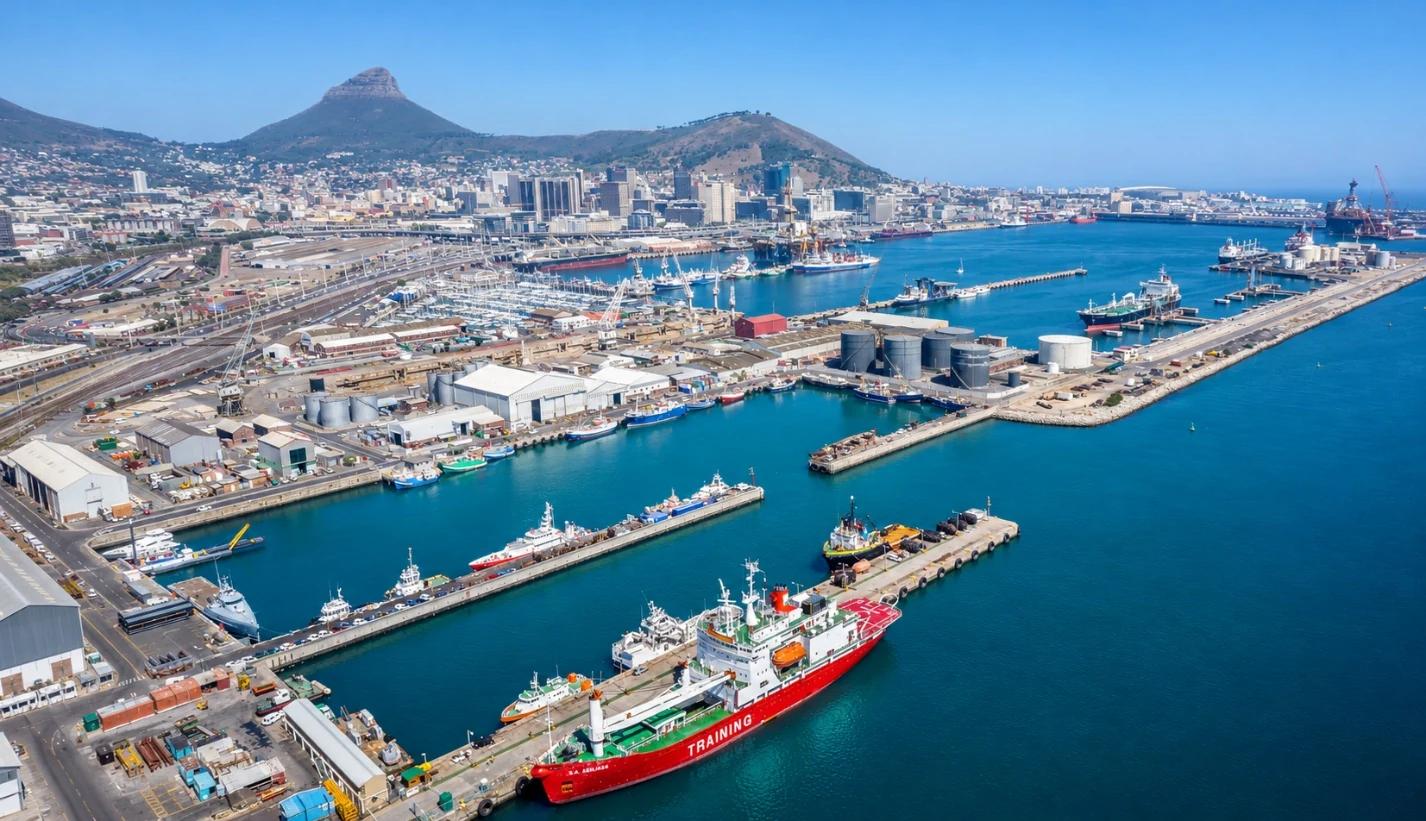
Transnet National Ports Authority’s liquid-bulk terminal tender at the Port of Cape Town places private participation at the centre of plans to retain and modernise existing infrastructure.
According to a SAnews report published on 7 May 2026, the proposed 25-year concession covers financing, operation, maintenance, refurbishment and/or construction. The brownfield site contains eight storage tanks with approximately 44,430 m³ of combined capacity, alongside warehouse and administration facilities.
The investment opportunity brings the commercial use of existing assets together with responsibility for their ongoing upkeep. For prospective operators, assessing the facility would therefore involve considering both its operating potential and the work required to sustain that potential over time.
Linking Investment with Infrastructure Utilisation
TNPA’s stated objectives include operational continuity, financial sustainability and more effective infrastructure use. The terminal supports local refinery supply and imported bunkering products through connections to common-user tanker berths. The reported tender objectives also include strengthening bunkering capabilities.
From an asset-management perspective, this makes the relationship between refurbishment and utilisation particularly relevant. Investment planning can examine which improvements would support reliable service, how work could be scheduled around operational requirements and what resources would be needed for subsequent maintenance.
These are considerations for evaluating a brownfield investment opportunity. They are not confirmation of particular defects, repair packages or construction methods at this facility.
Looking Beyond the Initial Refurbishment
A long concession creates a reason to consider costs across the operating life of an asset. Initial refurbishment decisions can influence future inspection access, maintenance requirements and the timing of subsequent interventions.
For engineering and commercial teams, a useful assessment would connect asset-condition information with operating forecasts and maintenance allowances. That approach can help identify where investment supports dependable operations and where further investigation is needed before commitments are made.
The announcement describes a procurement opportunity; it does not establish that an operator has been appointed or investment works completed.