Asset Integrity Enters a More Dynamic Phase
Asset integrity management has long been central to safe and reliable operations across oil and gas, LNG, petrochemical, offshore, and heavy industrial assets. Traditional programmes are built around inspection strategy, risk-based inspection, engineering assessment, maintenance planning, and compliance-led decision-making.
However, as assets operate for longer periods under more demanding conditions, operators increasingly need more than periodic inspection records. They need better visibility into how assets behave between inspection intervals, especially when operating conditions, throughput, temperature, pressure, and loading patterns change.
This shift is accelerating interest in digital twins and structural performance visibility.
From Inspection Snapshots to Continuous Visibility
Conventional asset integrity programmes provide valuable assurance that assets remain safe within defined limits. Yet many performance decisions depend on understanding how structures, pressure systems, rotating equipment, and critical components respond during live operations.
Digital twins, sensor data, and structural analytics can help bridge this gap by creating a more continuous view of asset condition. Instead of relying only on inspection snapshots, operators can connect historical inspection data with live operational inputs and engineering models.
This supports better decisions around maintenance timing, run length, operating flexibility, and lifecycle reliability.
Structural Performance Supports Reliability Planning
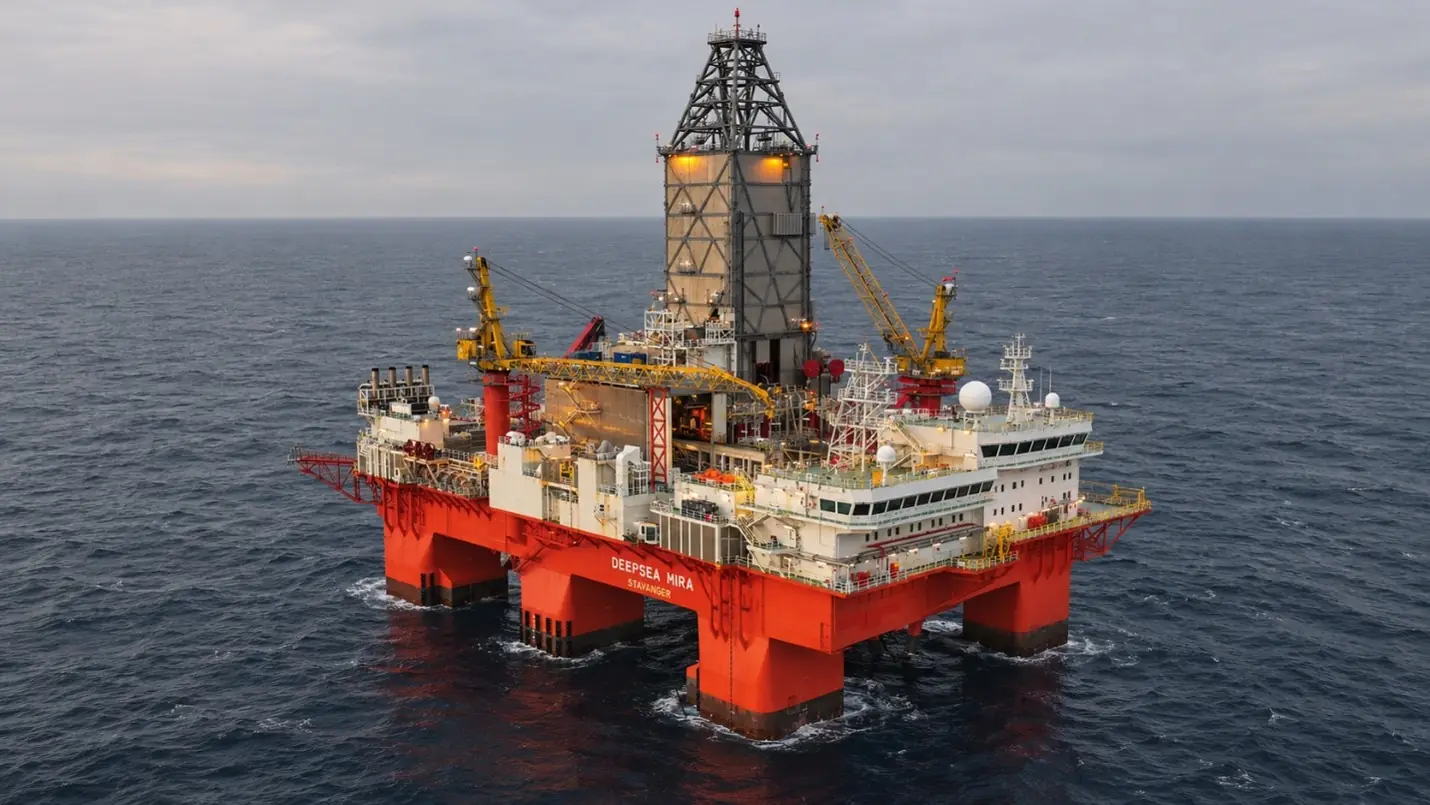
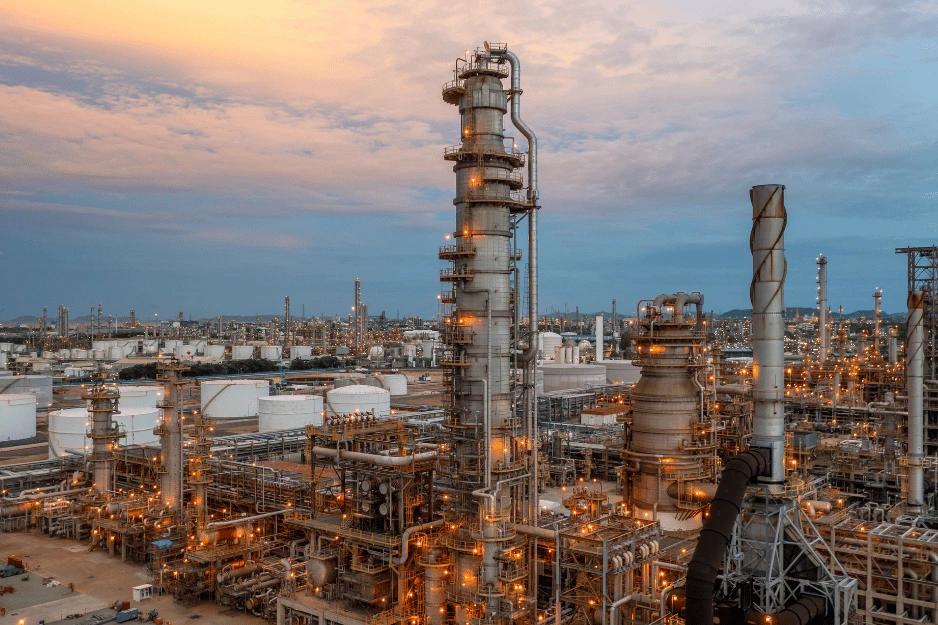
Structural performance visibility is especially important for high-intensity assets such as offshore platforms, LNG trains, petrochemical units, pressure vessels, pipelines, and rotating equipment foundations. These assets face complex degradation mechanisms including corrosion, fatigue, cracking, vibration, and load variation.
By combining risk-based inspection with predictive integrity models and digital asset intelligence, operators can improve how they prioritize inspections, plan interventions, and manage asset life extension.
The result is a more integrated approach where safety assurance, reliability planning, and operational performance work together.