Introduction
Angola's energy sector continues strengthening its long-term growth strategy as offshore development, infrastructure expansion, and production sustainability remain central to the country's evolving industrial landscape. During Angola Oil & Gas 2025, President João Lourenço emphasized a long-term vision focused on investment continuity, industrial growth, and sustainable energy sector development across the coming decades.
Industry Insights:
https://angolaoilandgas.com/news/president-joao-lourenco-opens-aog-2025-vision-next-50-years-angolan-growth
As offshore activity expands, maintaining sustainable infrastructure systems and resilient offshore operations is becoming increasingly important across Angola's evolving energy ecosystem.
Offshore Infrastructure Sustainability and Production Continuity
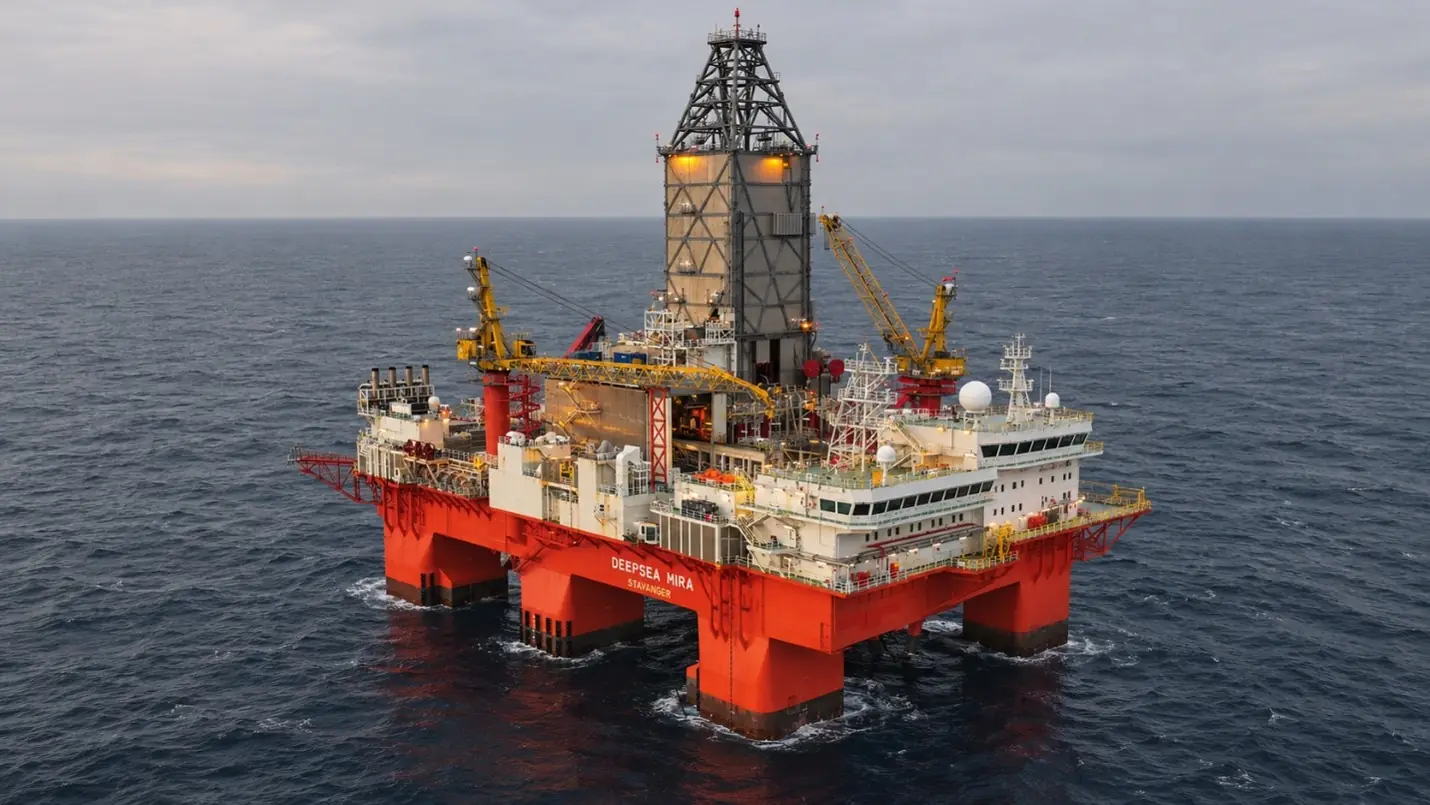
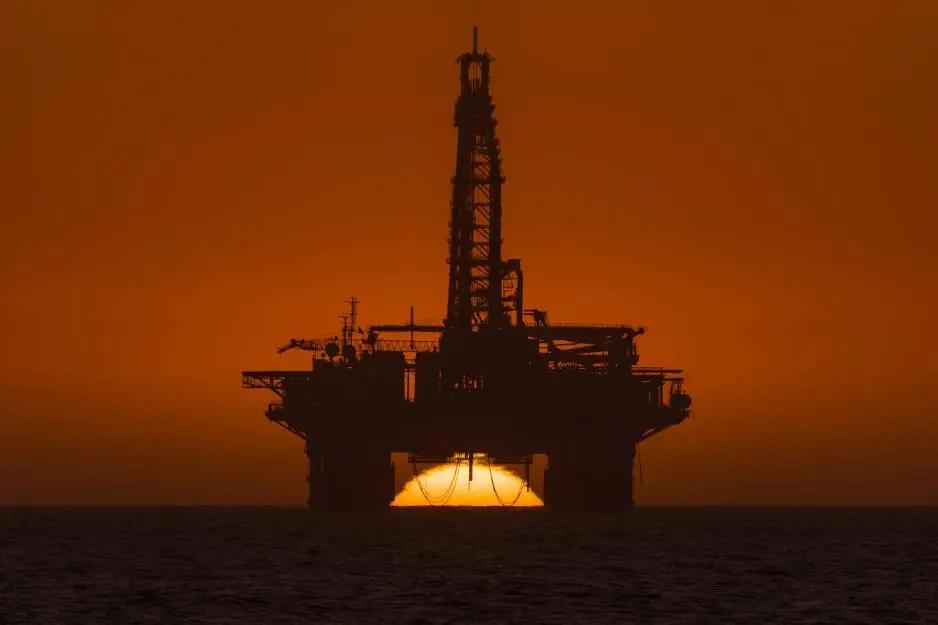
Offshore oil and gas infrastructure operates under constant environmental and operational pressure. Offshore platforms, subsea systems, pipelines, and floating production assets must maintain stable performance while exposed to corrosive marine conditions and demanding production cycles.
As Angola advances long-term offshore expansion plans, infrastructure sustainability is becoming essential to supporting production continuity and operational efficiency. Lifecycle optimization strategies, predictive maintenance technologies, and digital inspection systems are helping operators improve infrastructure visibility while reducing operational disruption risks.
Risk-based maintenance planning also enables offshore teams to prioritize high-criticality infrastructure and strengthen long-term infrastructure durability across complex offshore environments.
Building Resilient Offshore Operations for Long-Term Growth
Operational resilience remains central to Angola's long-term energy ambitions. Maintenance coordination, turnaround planning, infrastructure modernization, and engineering oversight all contribute to maintaining efficient offshore production systems.
As offshore infrastructure networks expand, organizations increasingly depend on sustainable operational frameworks capable of supporting evolving production requirements and future industrial growth objectives. Infrastructure sustainability therefore becomes more than a maintenance priority — it represents a strategic foundation for long-term offshore performance and sector competitiveness.