Introduction
Angola's offshore energy sector continues to gain momentum as upstream investment activity and exploration programs expand across the country's oil and gas landscape. Recent industry reports indicate increasing international interest in Angola's investment environment as global upstream strategies shift greater attention toward African energy opportunities.
Industry source:
https://angolaoilandgas.com/news/angolas-investment-climate-shines-gulf-war-shifts-upstream-focus-toward-africa
As offshore infrastructure development accelerates, operators are placing greater emphasis on lifecycle optimization strategies designed to maintain production efficiency and infrastructure sustainability across complex offshore environments.
In modern offshore operations, lifecycle management has become increasingly important to supporting long-term production continuity, infrastructure performance, and operational resilience.
Offshore Infrastructure and Long-Term Asset Performance
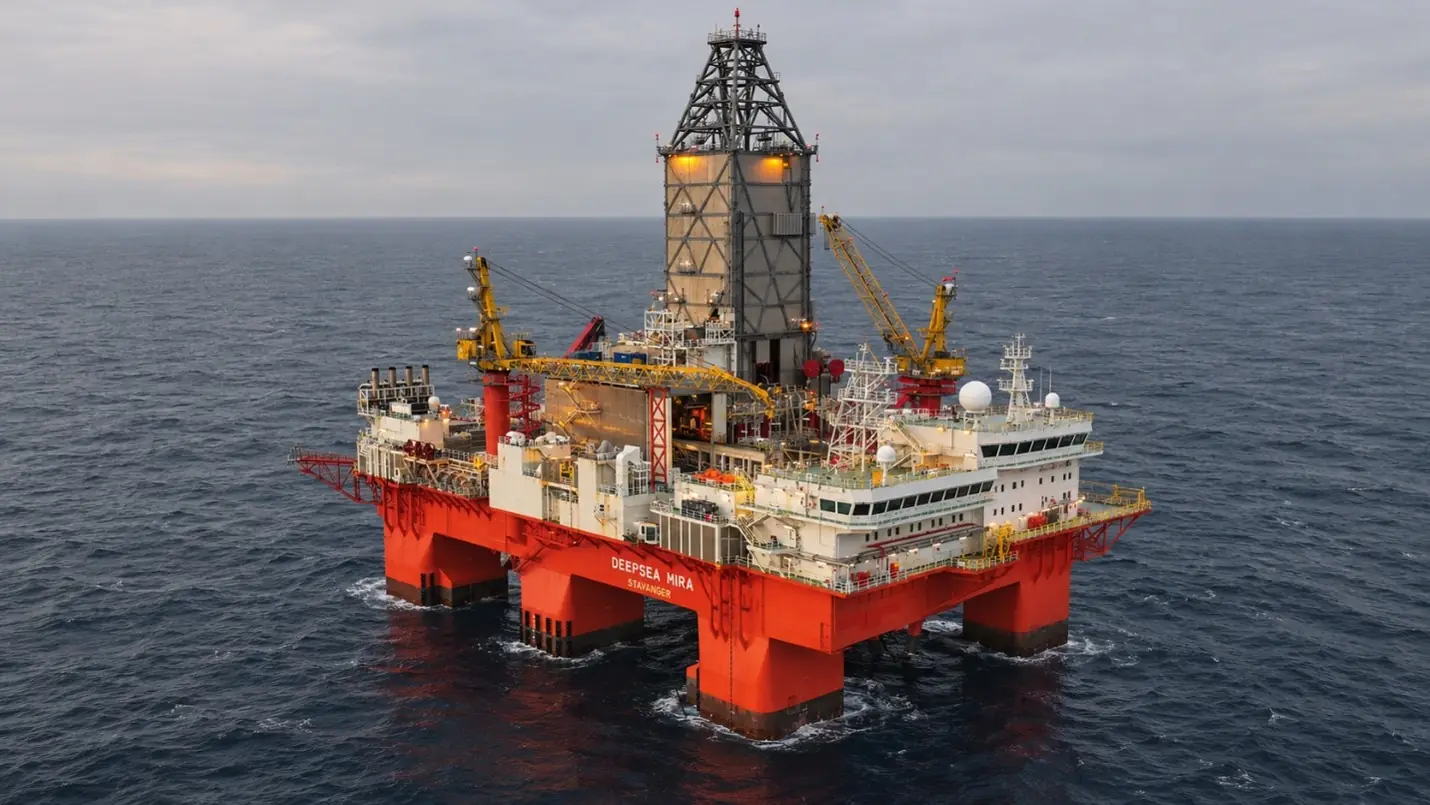
Offshore oil and gas infrastructure is expected to operate continuously over extended production periods while exposed to corrosive marine environments and demanding operational conditions. Floating production systems, subsea infrastructure, offshore processing units, and pipeline networks require structured operational oversight to maintain performance stability.
As Angola's upstream sector expands, infrastructure systems become increasingly interconnected and operationally complex. Sustaining efficient production across these environments requires long-term planning frameworks capable of addressing degradation risks, maintenance scheduling, and infrastructure modernization requirements.
Lifecycle optimization strategies therefore play a central role in maintaining infrastructure durability and operational efficiency.
Integrating Lifecycle Management with Offshore Operations
Modern offshore lifecycle management combines predictive diagnostics, inspection technologies, and maintenance planning frameworks to improve infrastructure visibility and operational coordination.
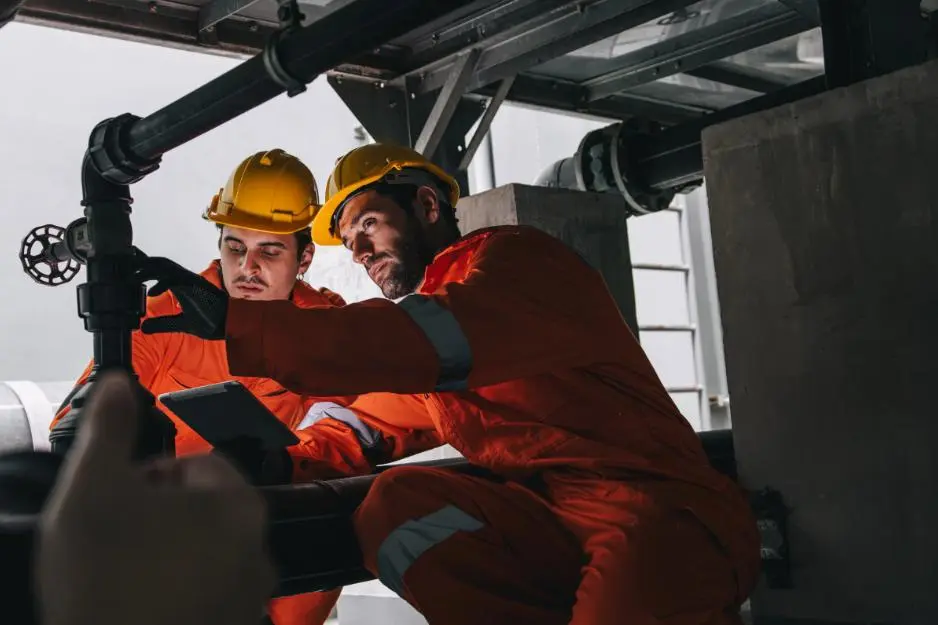
Condition monitoring systems provide engineers with real-time insights into equipment performance, enabling early detection of structural wear, corrosion exposure, and operational anomalies. These technologies help operators optimize maintenance interventions while minimizing production disruption.
Risk-based planning models also support efficient allocation of maintenance resources by prioritizing high-criticality infrastructure components across offshore operations.
As production environments become more sophisticated, lifecycle optimization increasingly supports both operational stability and long-term infrastructure sustainability.