Inspection Data Moves Beyond Static Reporting
AISUS joins AIMCT Qatar 2026 as Gold Sponsor at a time when asset integrity teams are increasingly looking beyond traditional inspection reports toward integrated, predictive data environments.
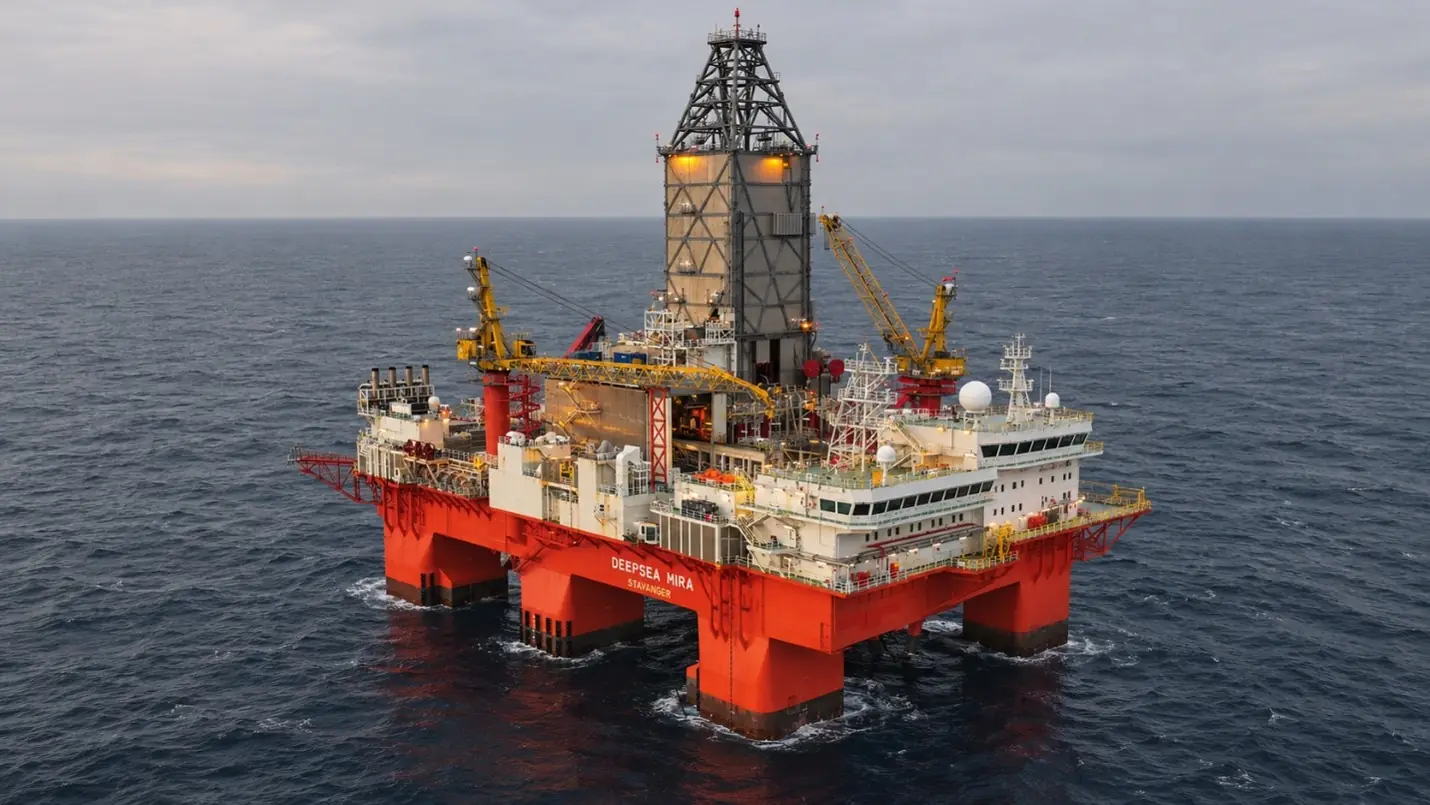
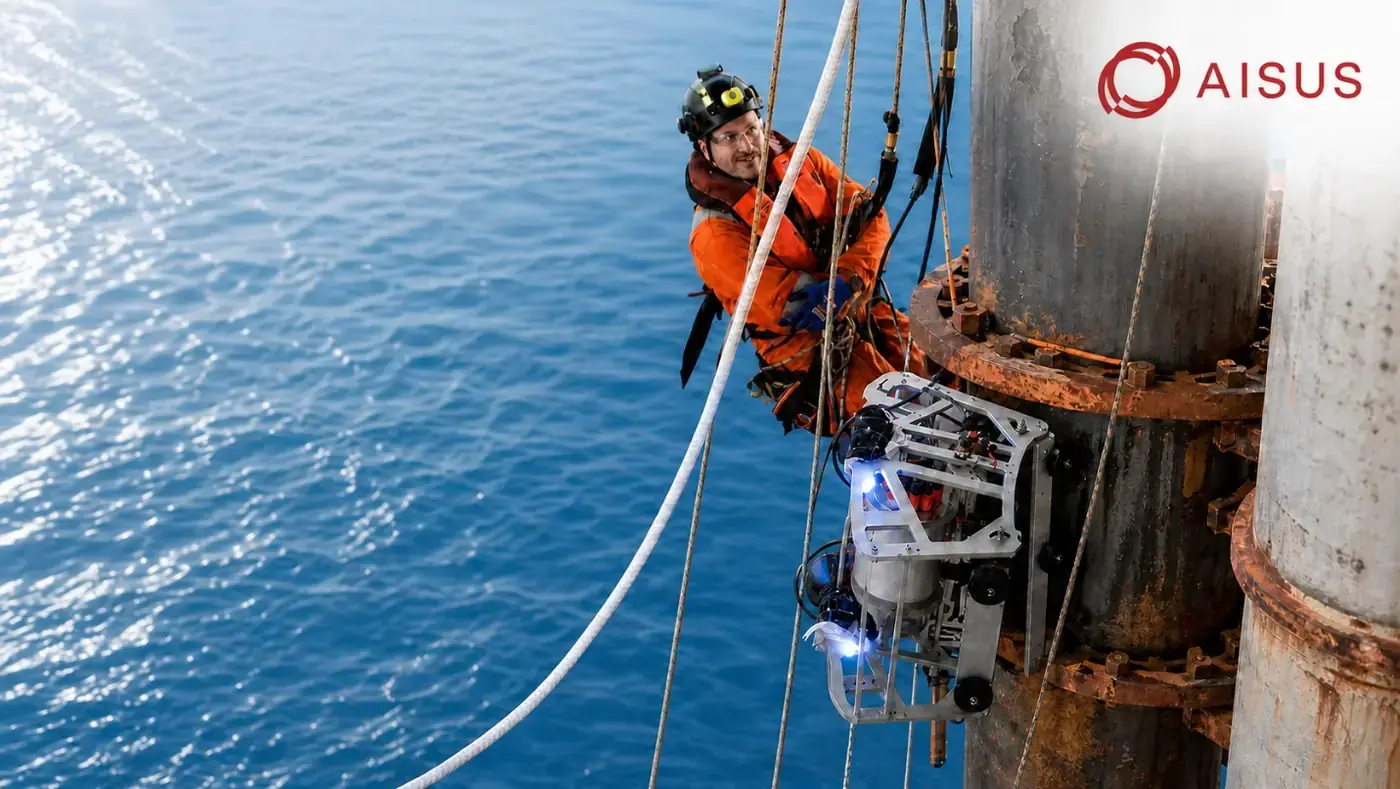
A recent AISUS offshore case study demonstrates this transition in practice. Faced with an ageing platform experiencing corrosion-related issues, AISUS combined high-resolution visual inspection data with AI-enabled analysis to give the operator a clearer, more interactive view of asset condition.
Rather than relying on static reports alone, the project used digital point-cloud datasets, 3D photogrammetry and virtual visualisation to help engineers understand defects and prioritise decisions more quickly.
AI Turns Inspection History into Corrosion Intelligence
The strongest element of the project was the integration of real-time and historical inspection data.
AISUS used machine-learning algorithms to classify anomalies including corrosion, cracks and welding weaknesses. Historical inspection information was then analysed alongside newly collected visual data to evaluate deterioration trends and support predictive corrosion modelling.
This changes the role of inspection data. Instead of documenting only what has already happened, integrated datasets can help asset teams understand how degradation may progress and where proactive maintenance should be prioritised.
AISUS' Gemini data management platform extends this concept by bringing topside, internal and subsea information into a single environment, with capabilities including inspection history, maintenance planning, anomaly tagging, predictive corrosion modelling and risk ranking.